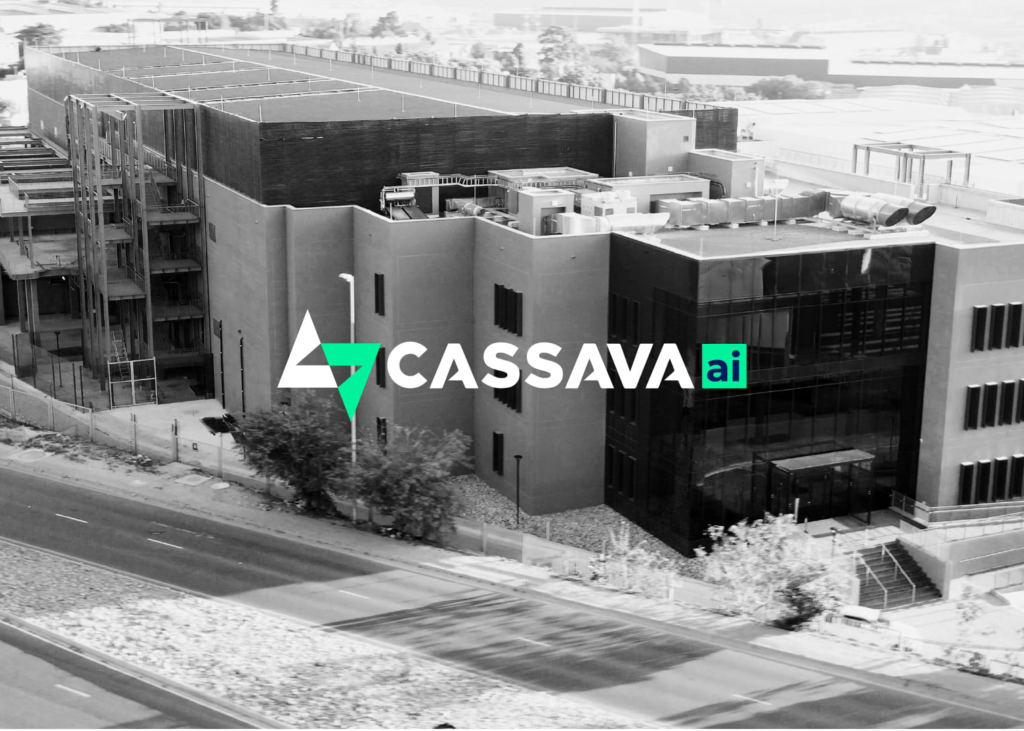
Cassava Technologies is adding Nvidia’s Nemotron open models to the AI services it offers through its African infrastructure. In a 21 October announcement, the company said the models would be available as a locally hosted, managed inference service through its Cassava AI Multi-Model Exchange, or CAIMEx. For businesses that want to build AI tools without operating model-serving systems themselves, the offer is another route to production.
An API is the practical centre of the plan. Developers can call a model through CAIMEx rather than install and maintain it on their own hardware. Cassava says customers will be able to choose among models and build agents that reason through tasks and interact with business tools. Nemotron’s open weights and associated development materials are intended to support customisation. That still leaves each customer responsible for testing whether a model is accurate and appropriate for its own use.
The announcement extends Cassava’s broader African AI-factory strategy, which TechBooky has examined through planned and operating infrastructure. It is important not to confuse the two stories. This week’s development concerns the models and managed service available on top of that infrastructure; it does not mean a new data centre has just opened in every market Cassava serves.
Cassava also describes a Token Optimiser that can reuse previously processed information where appropriate instead of repeatedly running the same work through a model. It says the approach applies to its own and third-party models and could reduce computing demand. The saving is a company claim, not a published price guarantee. Actual costs will depend on workload, service terms, model choice and the quality of the cached information.
Security is another part of the pitch. Cassava says it is using Nvidia OpenShell to add governed execution and independent enforcement around agents that can access enterprise systems. A managed runtime can help define what an agent is allowed to do, but it does not eliminate the need for identity controls, audit trails and human approval for sensitive actions. Those safeguards are particularly important when an agent reaches financial, customer or operational data.
For African enterprises, local hosting can be attractive where latency, data location or sector rules make an overseas service difficult to use. Yet locality alone does not make an AI product cheap or reliable. Electricity, network resilience, service-level commitments, technical support and the availability of regional languages all affect whether a bank, hospital, telecoms operator or startup can deploy it in practice.
Cassava has not disclosed the price of the Nemotron service, the first countries where customers can access it or a firm public timetable for every capability described. Those gaps should temper any claim that African businesses can already buy the same service on identical terms across the continent. The relevant next step is a clear product offer with documented availability, performance and costs.
The deal also serves Nvidia’s interest in getting its open models and computing stack into more enterprise workloads. Cassava gains a recognisable model family and a wider platform story. The outcome will be judged less by the partnership names than by whether developers can build useful services locally at a price and reliability level their customers will accept.
Related Reading
More contextual TechBooky stories selected from tags, categories and article context.
Paul Femi Balo is the founder and publisher of TechBooky. He covers artificial intelligence, African technology, digital infrastructure, enterprise technology and the global digital economy.
We use cookies to ensure that we give you the best experience on our website. If you continue to use this site we will assume that you are happy with it.