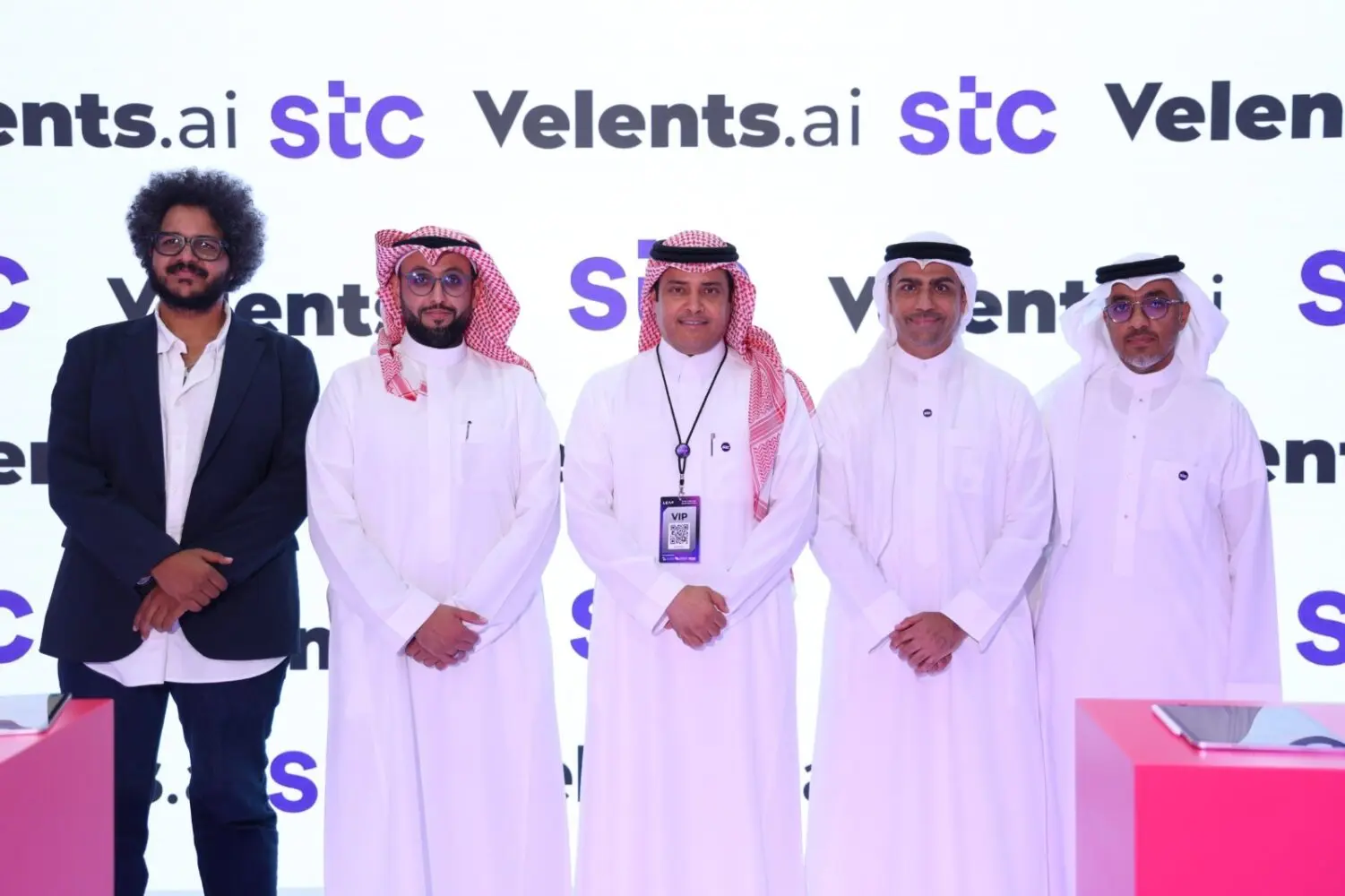
Egyptian AI startup Velents is pushing further into the Gulf, expanding into Bahrain through a strategic partnership with stc Bahrain. It is not the loudest AI story of the day, but it is an important one because it shows how MENA startups are beginning to sell practical AI tools across borders rather than waiting for Western enterprise platforms to dominate every workflow.
Fresh regional coverage says Velents is entering Bahrain through stc, with the agreement signed around LEAP 2026 in Riyadh. stc Bahrain is one of the country’s major digital players, giving the partnership a distribution angle that a small startup would struggle to create alone.
Velents works in AI-powered hiring and assessment, a category that has become attractive because recruitment remains slow, expensive and often inconsistent. Companies want faster screening, better matching and less manual filtering. AI promises all of that, although it also brings serious questions about bias, explainability and how candidates are judged.
That is what makes the Bahrain move interesting. The Gulf has large enterprise employers, ambitious digital-transformation budgets and governments that are actively trying to build AI capacity. For a startup from Egypt, the region offers a path to bigger contracts and faster scale than staying inside one domestic market.
There is also a wider Africa-MENA technology story here. North African startups often sit between African market realities and Gulf capital. Egypt in particular has produced fintech, logistics, health-tech and AI companies that can understand emerging-market constraints while selling into richer regional economies. Velents’ expansion fits that pattern.
But AI hiring tools must be handled carefully. A bad recruitment model can quietly reproduce bias, downgrade qualified candidates or turn hiring into a black box. If companies use AI to decide who gets interviewed, workers deserve transparency around what is being measured and how mistakes can be challenged.
We recently wrote about how Africa cannot let foreign AI models decide what is too political. Hiring may look like a different issue, but the principle is similar. AI systems used in African and MENA workplaces should reflect local realities and be accountable to the people affected by them.
Velents’ Bahrain expansion is therefore worth watching because it sits at the practical end of AI adoption. This is not about a flashy chatbot. It is about whether regional startups can build enterprise AI products that companies actually use, while avoiding the hidden harms that make automated decision-making so controversial.
Related Reading
More contextual TechBooky stories selected from tags, categories and article context.
Paul Femi Balo is the founder and publisher of TechBooky. He covers artificial intelligence, African technology, digital infrastructure, enterprise technology and the global digital economy.
We use cookies to ensure that we give you the best experience on our website. If you continue to use this site we will assume that you are happy with it.