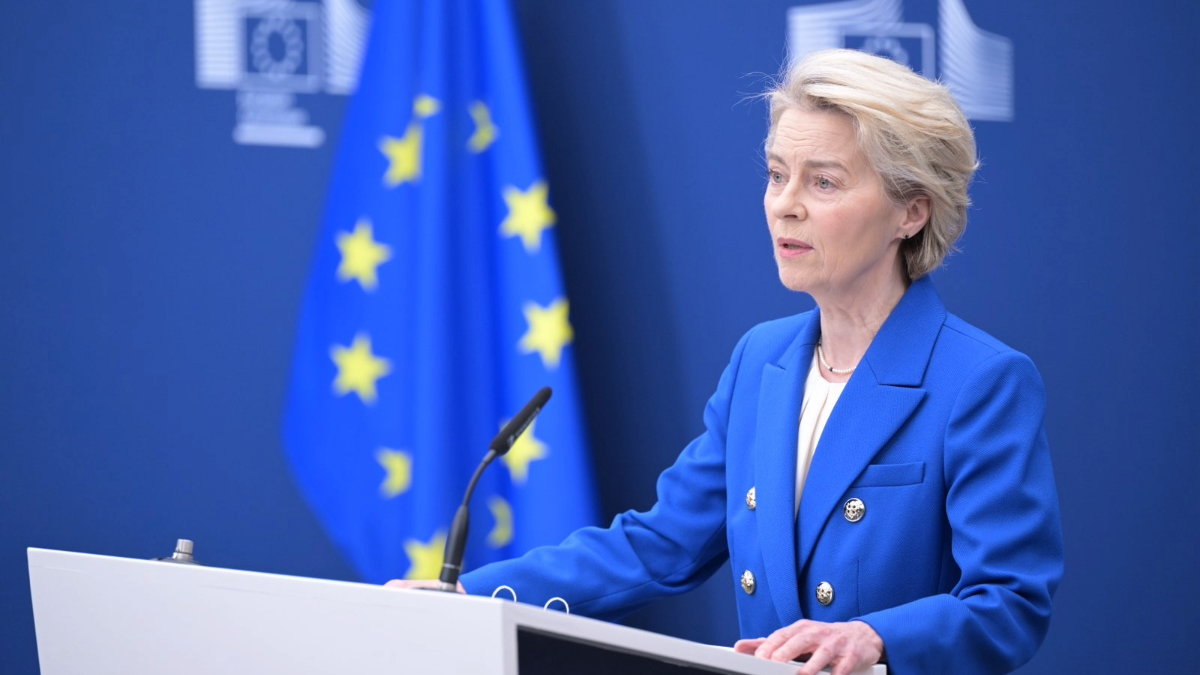
Europe may be preparing to rethink one of the rules that has shaped its technology market for years: how strictly it reviews mergers. The Financial Times reported in its September 8 briefing that the EU is planning a major overhaul of merger oversight, with more attention to innovation, supply security and competitiveness rather than only short-term consumer prices.
The shift follows the wider debate triggered by Mario Draghi’s competitiveness report, which warned that Europe risks falling further behind the United States and China unless it moves faster on investment, innovation and industrial scale. The European Commission has published the Draghi report as part of its broader competitiveness agenda.
For years, Europe has been known for tough competition enforcement. That approach has often protected consumers and smaller rivals, but critics argue it has also made it harder for European firms to grow into global technology champions. The question now is whether strict antitrust instincts have left Europe with rules built for yesterday’s internet economy.
The timing is important because AI is becoming a scale game. Frontier models, chips, data centres and cloud infrastructure require enormous capital. AI chip demand and data-centre expansion both show that the next technology cycle rewards companies with financial and infrastructure depth.
If Europe wants to compete, it may need larger companies, faster consolidation and more strategic tolerance for deals that create regional strength. That does not mean every merger should be waved through. It means regulators may need to ask a wider set of questions than whether prices rise immediately after a deal.
There is a difficult balance. Europe does not want to copy the US model of allowing a few companies to dominate digital life. It also does not want to become a market where American and Chinese giants sell products while European companies remain too small to compete. Google’s antitrust battles show why unchecked scale can be dangerous, but Europe’s weakness in frontier tech shows the cost of insufficient scale too.
The policy challenge is to support innovation without creating protected national champions that become lazy, expensive or politically favoured. That will require smarter remedies, stronger post-merger monitoring and a clearer view of which sectors are strategically important.
The EU merger reset, if it happens, could become one of the more important policy shifts in global tech. Europe is admitting that competition policy cannot ignore geopolitics, supply chains and AI scale. The hard part will be changing the rules without abandoning the consumer protections that made European regulation influential in the first place.
Related Reading
More contextual TechBooky stories selected from tags, categories and article context.
Paul Femi Balo is the founder and publisher of TechBooky. He covers artificial intelligence, African technology, digital infrastructure, enterprise technology and the global digital economy.
We use cookies to ensure that we give you the best experience on our website. If you continue to use this site we will assume that you are happy with it.