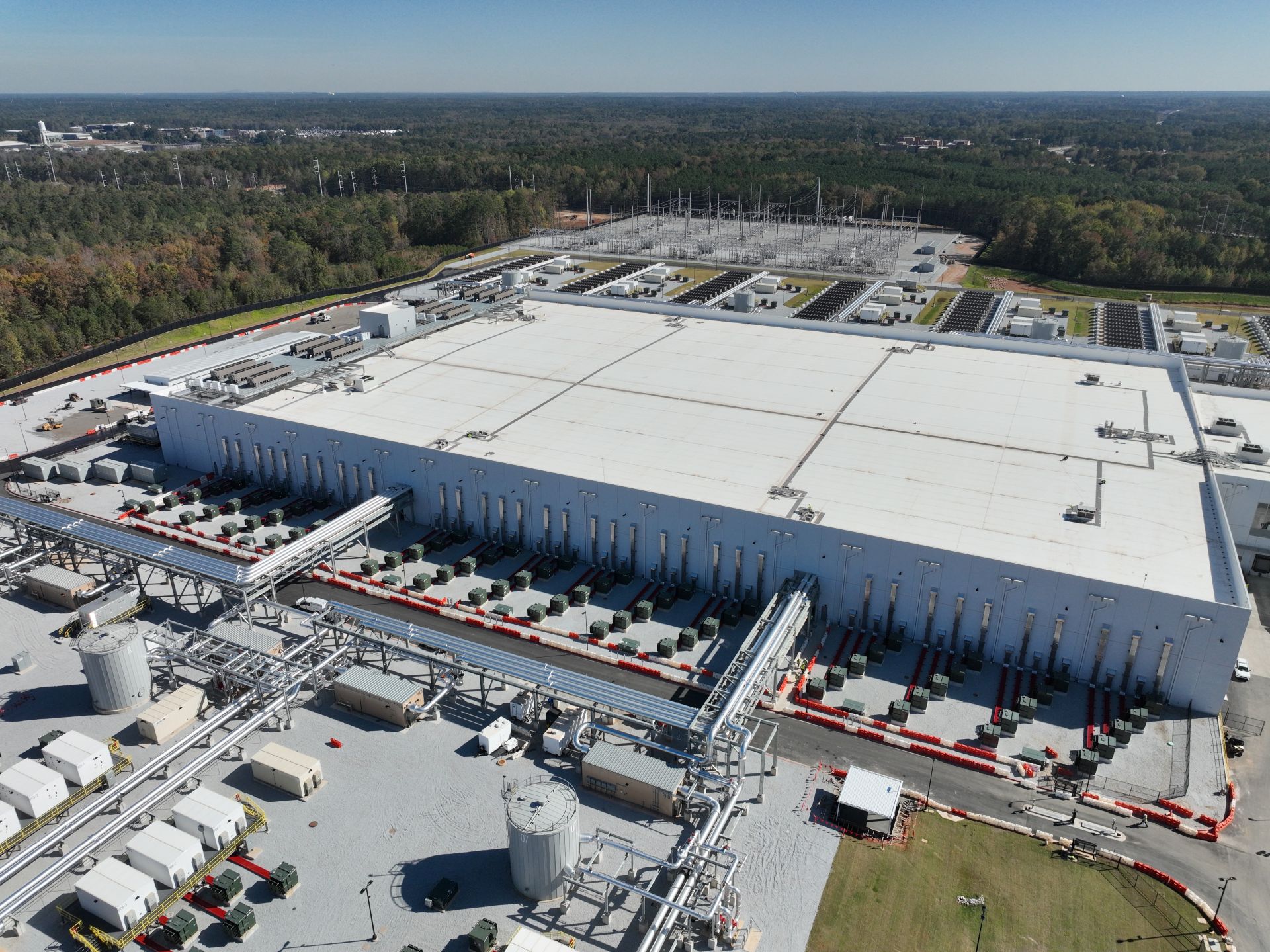
The easiest way for Big Tech to lose the data-centre argument is to treat every critic as an enemy of progress. That may work in a boardroom or a political speech, but it will not work in communities being asked to host the physical infrastructure of the AI boom.
AI needs data centres. That part is obvious. Frontier models, cloud services, enterprise tools and consumer AI products cannot run on slogans. They need chips, servers, cooling systems, fibre, land, water and enormous amounts of electricity. Broadcom’s AI chip surge and Google’s geothermal power deal are both reminders that the AI economy is now deeply physical.
But communities are allowed to ask hard questions about that physical footprint. Where will the electricity come from? Will power bills rise? How much water will be used for cooling? Who gets the jobs? Who gets the tax breaks? What happens when a facility is approved before residents understand the trade-offs?
That is why the backlash should not be dismissed as anti-technology. In South Africa, civil rights groups have raised concerns about water, land and power as the country becomes Africa’s dominant data-centre hub. In the United States, proposed permitting changes could reduce public notice in some cases. These are not irrational concerns. They are democratic questions about infrastructure.
Big Tech prefers to frame data centres as national-security assets, job creators and engines of innovation. Sometimes they are. But the benefit side of the argument does not cancel the cost side. A data centre can be strategically important and still be poorly explained to the people living near it.
The industry should learn from telecoms, ride-hailing and fintech in African markets. Technology succeeds when people can see the value and trust the rules. It struggles when users feel costs are hidden or decisions are imposed. The debate around business messaging fees and platform exits shows that digital services are never just digital once they touch livelihoods.
The data-centre debate is the same, only bigger. It touches land use, climate policy, energy grids, industrial planning and local politics. It also exposes an uncomfortable fact which is that AI may be sold as immaterial intelligence, but it depends on very material sacrifices.
A serious AI policy should therefore include community consent and infrastructure transparency. Companies should publish credible estimates of power and water demand. Governments should explain incentives and grid upgrades. Regulators should protect public notice. Communities should be able to negotiate benefits before approvals are locked in.
This does not mean every data centre should be blocked. Quite the opposite. Countries that fail to build digital infrastructure may become dependent on foreign cloud regions and foreign AI systems. Africa especially needs more local capacity if it wants real digital sovereignty.
But sovereignty built without trust is fragile. If people believe AI infrastructure is being forced on them for the benefit of distant companies, the backlash will grow. If they see clear benefits, honest costs and fair rules, data centres have a better chance of becoming accepted infrastructure rather than symbols of extraction.
The AI industry wants speed. Communities want respect. The future will require both. Data-centre backlash is not proof that people hate technology. It is proof that people understand, perhaps better than the industry admits, that someone always pays for progress.
Related Reading
More contextual TechBooky stories selected from tags, categories and article context.
Paul Femi Balo is the founder and publisher of TechBooky. He covers artificial intelligence, African technology, digital infrastructure, enterprise technology and the global digital economy.
We use cookies to ensure that we give you the best experience on our website. If you continue to use this site we will assume that you are happy with it.