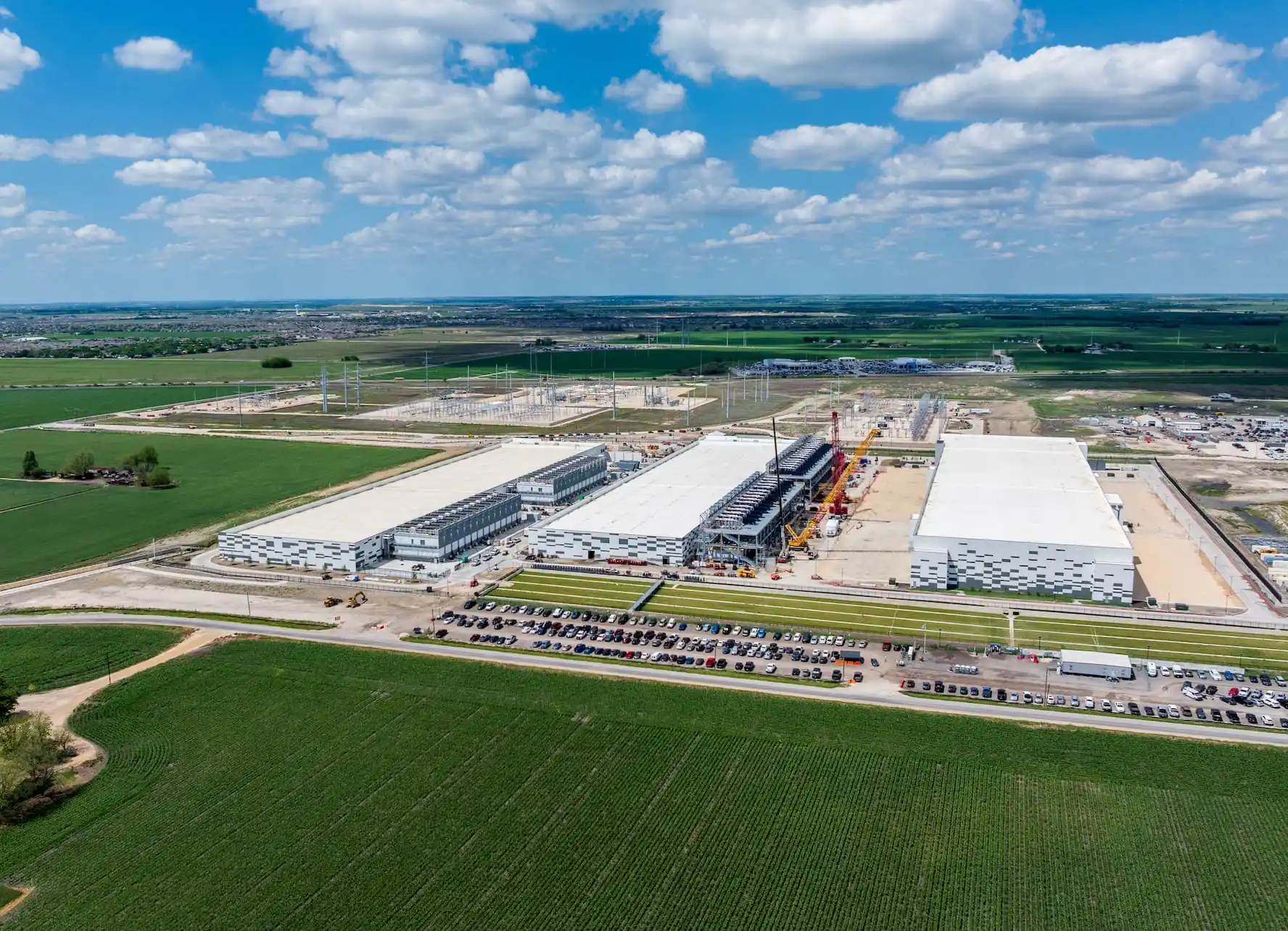
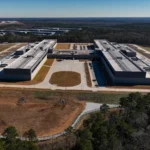
The fight over AI data centres is no longer just about land, power and water. It is becoming a political argument over national security, foreign influence and who gets to define progress. A new Wall Street Journal report says Big Tech and the Trump administration are increasingly framing local opposition to data centres as anti-growth, politically manipulated or even useful to China.
That framing is powerful, but also risky. Communities pushing back against data-centre projects are not all saying the same thing. Some worry about higher electricity bills. Some worry about water use. Some worry about air pollution, land deals and secrecy. Some simply want to know why companies worth trillions of dollars should receive fast approvals while residents are asked to trust the process.
The timing explains why the rhetoric is getting sharper. AI companies need more data centres, more power and more chips to support models that are growing more capable and expensive. Broadcom’s AI chip boom and the memory shortage affecting gadgets both show that the AI race is now pressuring the physical economy, not just software markets.
For Washington, the national-security argument is easy to understand. If the US slows AI infrastructure while China keeps building, American companies may lose ground in the most important technology race of the decade. That argument will appeal to policymakers who see AI as a military, industrial and economic priority.
But there is a difference between saying AI infrastructure is strategically important and saying public concern is illegitimate. AP recently reported on South African civil groups asking for a pause on new data centres because of water and power concerns. That debate is different from US politics, but the basic lesson travels well: people will resist when they feel decisions are being made above their heads.
There is also a regulatory angle. AP reported last week that proposed EPA changes could reduce some public notice requirements around permits for industrial facilities, including data centres. If communities already believe AI infrastructure is being rushed through with too little transparency, weakening public notice rules will only deepen suspicion.
The technology industry should be careful here. Tech CEOs are already telling governments not to over-regulate AI, as we saw in the G20 AI regulation debate . But if the industry dismisses local opposition as propaganda or ignorance, it may create the very backlash it wants to avoid.
Data centres are necessary. Nobody serious about AI, cloud computing or digital sovereignty can pretend otherwise. But necessary infrastructure still needs consent, accountability and good planning. Communities are not anti-tech because they ask where the water will come from, who pays for grid upgrades and how pollution will be monitored.
The data-centre fight is now a trust fight. Big Tech can win permits by lobbying. It can win headlines by invoking China. But it will only win durable public support by being transparent about costs, benefits and trade-offs. That is the part the AI industry still seems reluctant to confront.
Related Reading
More contextual TechBooky stories selected from tags, categories and article context.
Paul Femi Balo is the founder and publisher of TechBooky. He covers artificial intelligence, African technology, digital infrastructure, enterprise technology and the global digital economy.
We use cookies to ensure that we give you the best experience on our website. If you continue to use this site we will assume that you are happy with it.