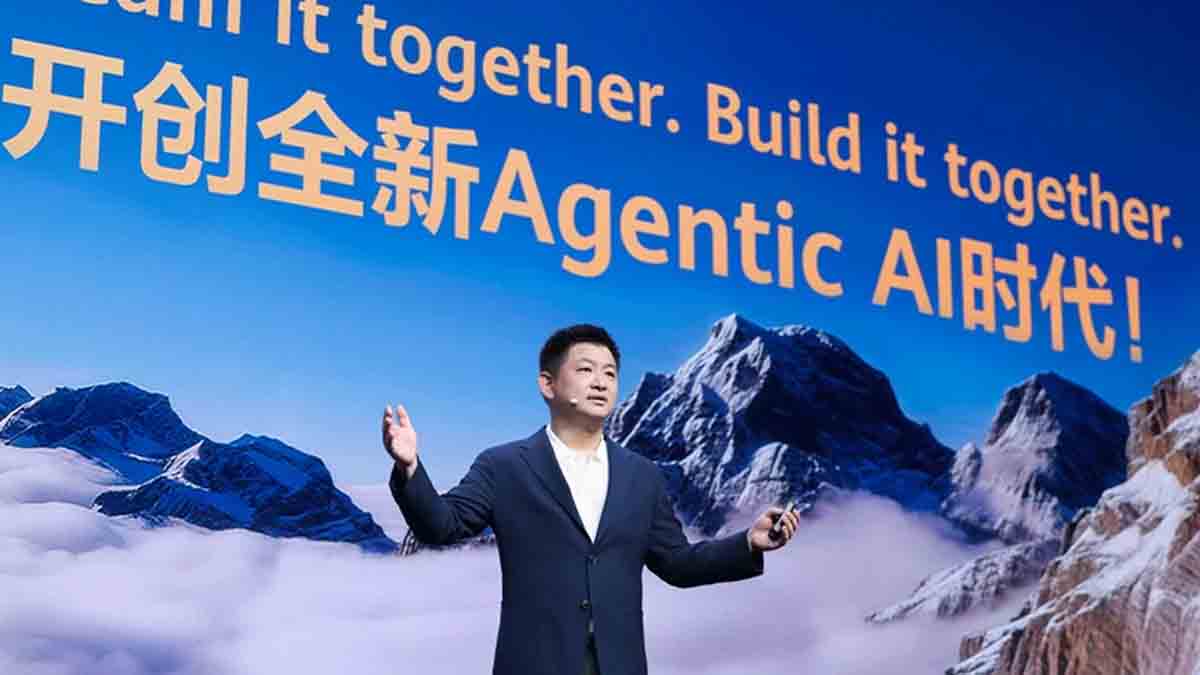
Huawei Cloud has launched its Agentic AI Cloud in Nigeria, giving the company a clearer local pitch at a time when Nigerian businesses and regulators are talking more seriously about artificial intelligence, cloud infrastructure and data sovereignty.
The launch, reported by TechAfrica News, positions Huawei Cloud in Nigeria as more than a place to host data. The bigger idea is to help organisations build, deploy and run AI agents and enterprise AI systems closer to the market they serve.
That local angle matters. AI adoption in Africa is often discussed as if the only question is whether companies can access the latest global model. In reality, infrastructure is just as important. Businesses need low latency, predictable costs, compliance confidence, local support and systems that can integrate with existing processes.
Huawei already sells a range of AI and cloud development tools globally, including ModelArts, its AI development platform. Bringing the agentic cloud message into Nigeria suggests the company wants to move from selling generic cloud capacity to selling AI-ready infrastructure and tooling.
Agentic AI is different from ordinary chatbot AI because it is designed to take steps toward a goal. In a business setting, that could mean customer-service workflows, document processing, fraud monitoring, software support, logistics planning or internal knowledge retrieval. The value is not only in answering a question, but in moving a task forward.
For Nigerian enterprises, that is attractive but also demanding. Banks, telcos, insurers, hospitals, public agencies and large retailers cannot simply throw agents into production and hope for the best. They need audit trails, permission controls, human approval points, cybersecurity checks and a clear understanding of where sensitive data is stored.
That makes the Huawei move timely because Nigeria is also pushing a broader sovereign cloud conversation. The recent NITDA and Infracorp sovereign cloud plan shows that local infrastructure is becoming part of national technology strategy, not just an IT procurement issue.
Huawei has an advantage in markets where it already has deep telecoms and enterprise relationships. But it also faces trust questions, especially in countries balancing Chinese technology partnerships with Western cybersecurity expectations. For Nigeria, the challenge will be to welcome investment without outsourcing too much control over critical digital infrastructure.
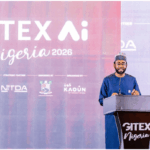
The timing around GITEX Nigeria is also useful. Nigeria wants to present itself as a serious African AI and startup hub, but hubs need infrastructure. Events create attention; cloud platforms, fibre, data centres, power and compliance frameworks create the base on which products actually run.
The real test for Huawei’s Agentic AI Cloud in Nigeria will not be the announcement. It will be whether local companies can build useful AI systems on it, whether costs make sense, whether regulators are comfortable with the data model and whether the platform gives Nigerian developers more control rather than another layer of foreign dependency.
Related Reading
More contextual TechBooky stories selected from tags, categories and article context.
Paul Balo is the founder of TechBooky and a highly skilled wireless communications professional with a strong background in cloud computing, offering extensive experience in designing, implementing, and managing wireless communication systems.
We use cookies to ensure that we give you the best experience on our website. If you continue to use this site we will assume that you are happy with it.