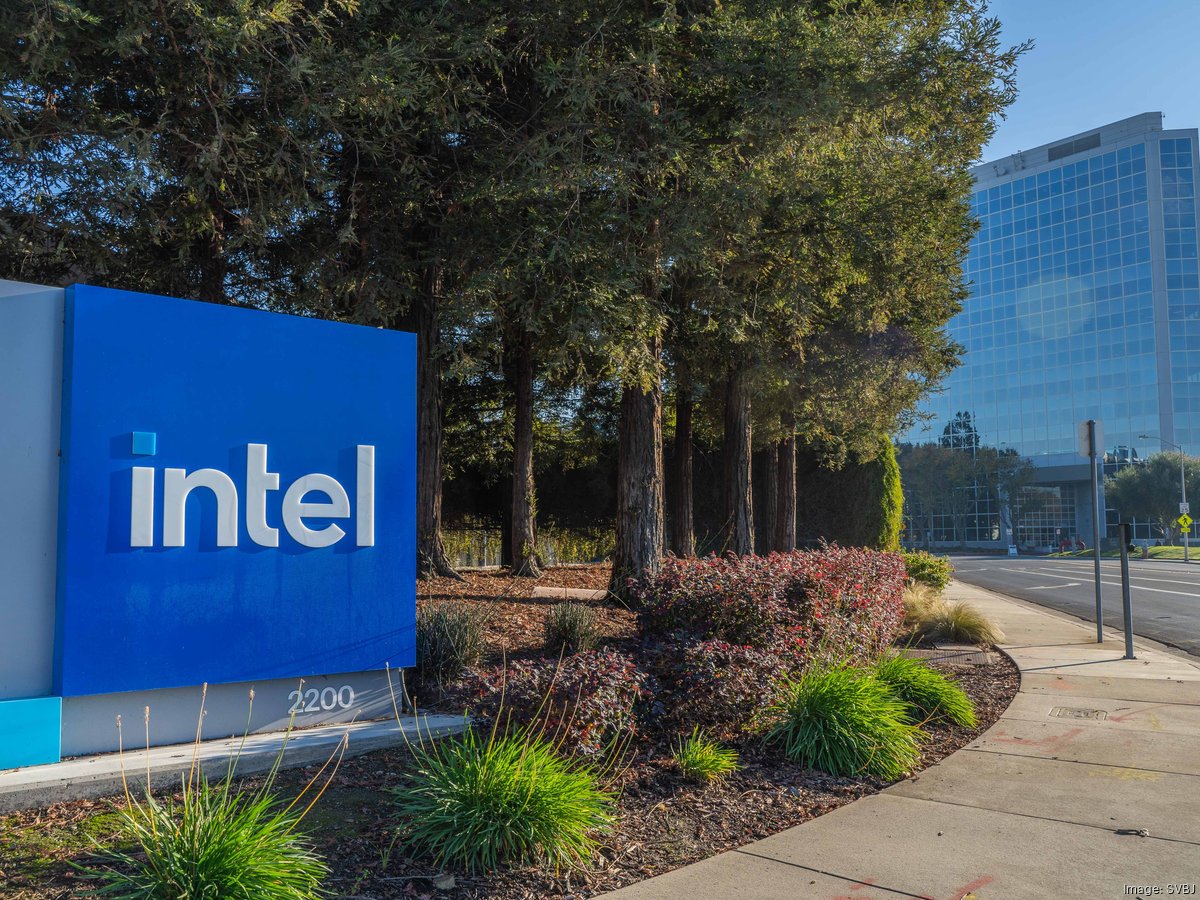
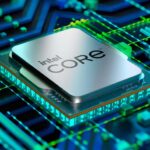
Intel has raised the size of its common stock offering to $20 billion, giving the chipmaker more cash for a comeback plan that is becoming both more ambitious and more expensive.
In its investor release, Intel said it priced 210,526,315 shares at $95 each. The offering was upsized from the previously announced $15 billion target and is expected to close on August 12, 2026, subject to customary conditions. Intel also gave underwriters a 30-day option to buy up to another 31,578,947 shares at the same public offering price, less underwriting discounts.
The headline number matters because Intel is trying to rebuild itself in an AI chip market dominated by Nvidia and in a foundry market where TSMC remains the reference point. Intel does not only need better chips. It needs capital for fabs, process technology, packaging, equipment, customer engagement and a foundry business that can convince outside companies to trust it with advanced manufacturing.
That is why the share sale is both a sign of confidence and a reminder of pressure. Strong demand allowed Intel to raise more money than planned, but issuing new shares also dilutes existing holders. Investors are effectively being asked to fund the next stage of Intel’s turnaround because the opportunity is large and the cost of missing it is larger.
Intel says proceeds will be used for general corporate purposes, including working capital, capital expenditures and other business needs. In practice, the market will read this through the lens of advanced manufacturing. Intel’s future depends heavily on whether it can execute on its process roadmap and win enough external foundry customers to justify the spending.
The timing is also important. AI has revived interest in semiconductors, but most of the money has flowed toward Nvidia and the ecosystem around GPUs and high-bandwidth memory. Intel wants to show it still has a place in that future, especially as governments and companies worry about supply-chain concentration. A stronger Intel foundry would be strategically useful for the United States and for customers that want more manufacturing options.
We have been following the wider chip-capital race, including Nvidia’s $500B AI compute financing push and earlier supply-chain stress around AI data-centre memory demand. Intel’s offering is part of the same shift. Chips are now infrastructure, and infrastructure needs capital.
The risk for Intel is execution. Raising money is easier than delivering competitive technology on time. Foundry customers will not move critical designs to Intel because of national strategy alone. They will need performance, yield, cost discipline, packaging capability and confidence that Intel can meet roadmaps without slipping.
Still, the $20 billion raise gives Intel more room to fight. It also shows that investors have not completely written off the company. If Intel can use this capital to strengthen its manufacturing roadmap and win serious foundry business, the dilution may be forgiven. If not, this offering will be remembered as another expensive attempt to catch a market that moved faster than Intel expected.
Related Reading
More contextual TechBooky stories selected from tags, categories and article context.
Paul Balo is the founder of TechBooky and a highly skilled wireless communications professional with a strong background in cloud computing, offering extensive experience in designing, implementing, and managing wireless communication systems.
We use cookies to ensure that we give you the best experience on our website. If you continue to use this site we will assume that you are happy with it.