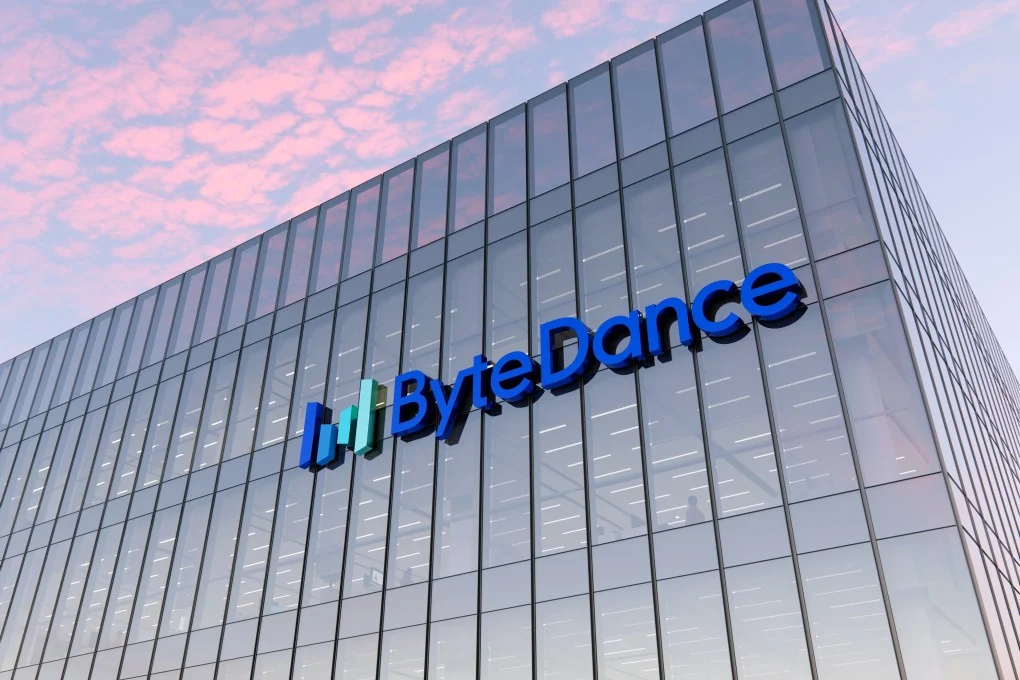
ByteDance may be ready to spend almost $15 billion a year securing the hardware behind its artificial intelligence ambitions, but money alone cannot manufacture the components it needs. The TikTok owner is reportedly confronting a shortage of advanced chip substrates, exposing a physical limit to China’s fast-moving AI push.
The company is preparing annual purchases worth about CNY100 billion, or roughly $14.9 billion, according to DigiTimes. The proposed spending underlines how quickly ByteDance is trying to build computing capacity for model training, recommendation systems and generative AI products. Yet the report says advanced packaging substrates remain a bottleneck.
Substrates are easy to overlook because they sit beneath the processors that attract most of the attention. They connect sophisticated chips to circuit boards, carry power and data, and help manage the dense packaging required by modern accelerators. When supplies are tight, buying more processors or designing a better domestic chip does not immediately solve the problem.
This is why the global AI contest is no longer only about who has the smartest model. It also depends on foundries, high-bandwidth memory, packaging equipment, substrates, cooling systems and reliable electricity. Each layer has its own suppliers and production lead times, so one weak link can hold back an otherwise well-funded expansion.
For ByteDance, the shortage arrives as Chinese technology companies are trying to reduce their exposure to US export controls. Domestic alternatives are improving, but replacing an established supply chain takes longer than announcing a chip programme. Capacity must be qualified, yields have to rise and customers need confidence that components can perform consistently at scale.
The pressure may also encourage ByteDance to sign longer supply agreements, invest directly in manufacturers or redesign systems around components that are easier to obtain. Similar adjustments are already reshaping the wider Chinese AI chip market, where companies are balancing performance against availability.
There is a broader lesson here. AI companies can raise billions and hire exceptional researchers, but computing power still rests on specialised industrial capacity that cannot be expanded overnight. ByteDance’s proposed spending is enormous. The more important question is whether the supply chain can turn that money into working machines quickly enough.
Related Reading
More contextual TechBooky stories selected from tags, categories and article context.
Paul Balo is the founder of TechBooky and a highly skilled wireless communications professional with a strong background in cloud computing, offering extensive experience in designing, implementing, and managing wireless communication systems.
We use cookies to ensure that we give you the best experience on our website. If you continue to use this site we will assume that you are happy with it.