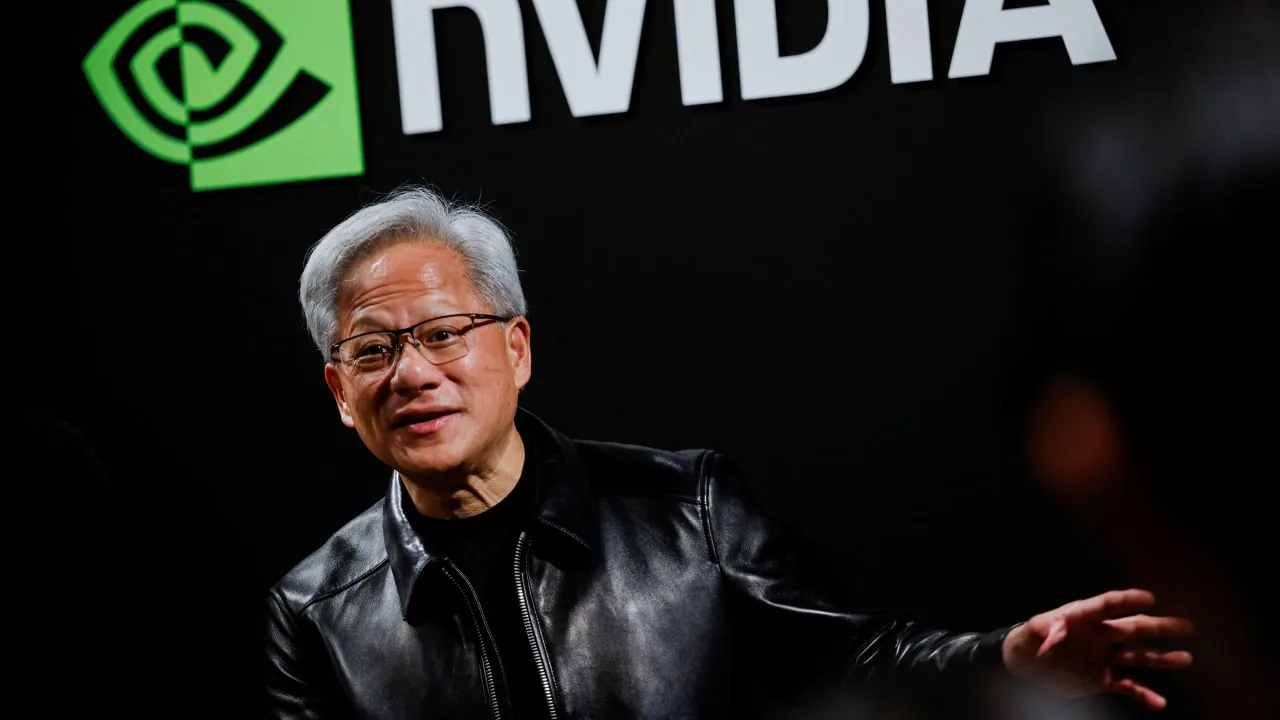
An online petition urging Nvidia to reinstate Jensen Huang as chief executive has passed 100,000 signatures, according to reports this weekend. Its rapid growth shows the intensity of reaction to Huang’s departure, but the number of signatures is not a verified vote by Nvidia employees or shareholders.
The independent campaign’s website has listed thousands of people who describe themselves as current Nvidia staff. Media reports have also named Elon Musk, Epic Games chief Tim Sweeney and Y Combinator chief Garry Tan among high-profile signatories. The identities and employment status of everyone on a public petition have not been independently confirmed, and the organisers’ staff count should be treated as a self-reported figure.
The campaign asks Nvidia’s board to reverse the leadership change. Reporting by TechCrunch and The Information put the petition above 100,000 signatures and described more than 5,000 signers as self-identified current employees. Those figures indicate online interest, but they do not tell readers how many Nvidia employees have authenticated their status, whether the signers are shareholders or whether the board has considered the request.
Verification matters because open signature forms can be vulnerable to impersonation. Sweeney has reportedly raised concerns about the petition site’s identity checks after his name appeared. Even when a public figure later supports a campaign, a displayed name alone should not be treated as proof that every entry is genuine. The total may also change as duplicate or fraudulent entries are reviewed.
No Nvidia board announcement has indicated that Huang will return as chief executive. The company’s official account of the transition says Colette Kress is interim chief executive and chief financial officer while directors conduct a search that includes internal and external candidates. That remains the governing position unless Nvidia itself says otherwise.
Huang was closely identified with Nvidia’s rise from a graphics chip maker into a central supplier of AI infrastructure. His departure therefore raises questions that go beyond the personality of one leader. Customers want confidence that chip roadmaps, software support and supply agreements will continue. Investors want clarity on succession and decision-making at a company whose products underpin enormous AI spending plans.
The petition is evidence of a public push for continuity, not evidence that business performance has changed. Nvidia’s next quarterly results, scheduled for 17 November, will give investors a more concrete measure of demand. Management’s explanations about execution and the leadership search will matter more to the board than an unaudited online count, even if the campaign continues to grow.
It is also possible for genuine employees and shareholders to hold different views on the transition. Some may favour Huang’s return, while others may prefer the board to complete its search. A petition cannot substitute for a representative survey or a formal corporate decision. That distinction is particularly important when headlines attach prominent names to a fast-moving online campaign.
Paul Femi Balo is the founder and publisher of TechBooky. He covers artificial intelligence, African technology, digital infrastructure, enterprise technology and the global digital economy.
We use cookies to ensure that we give you the best experience on our website. If you continue to use this site we will assume that you are happy with it.