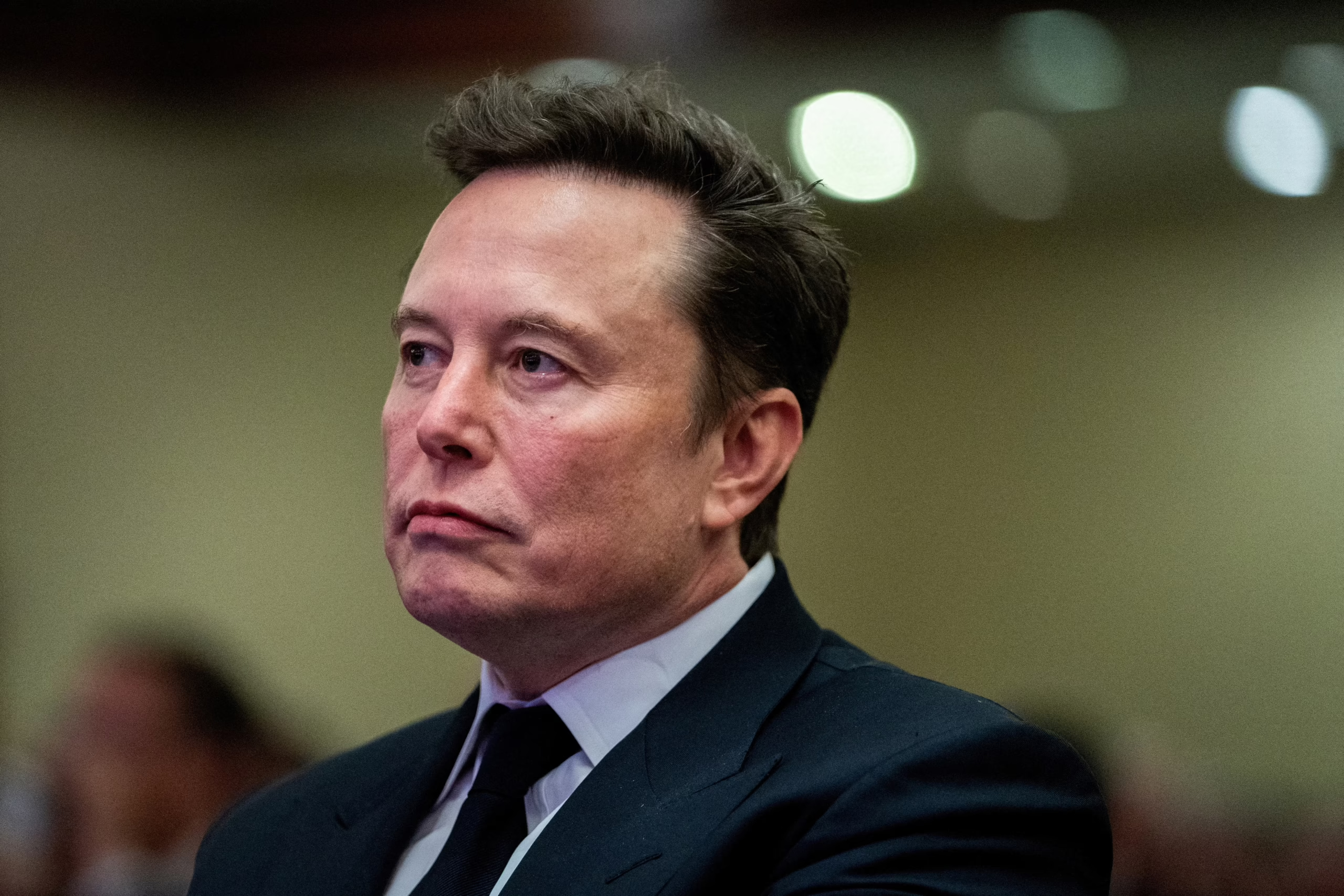
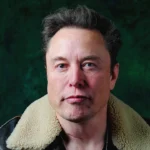
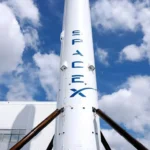
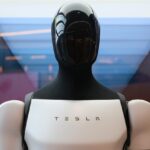
Tesla and SpaceX have taken their long-rumoured merger discussions a step further. Elon Musk said on Tuesday, 20 October, that both companies had formed special committees of independent directors to consider a possible combination. That is a formal review, not an agreed deal, and Musk cautioned investors against treating a merger as certain.
The disclosure came during SpaceX’s third-quarter earnings call. As the Associated Press reported, Musk said the committees would discuss the issue while playing down the prospect of an imminent agreement. Reuters also reported that he called the idea of combining the businesses a good one. The distinction matters because exploratory committees can assess a transaction without recommending one, and neither company has announced terms, a valuation, a timetable or a shareholder vote.
SpaceX’s latest results give the discussion a different backdrop from earlier speculation. Its quarterly revenue reached $14.6 billion, with its artificial intelligence business becoming its largest revenue source and Starlink remaining its strongest profit contributor. TechBooky’s account of the SpaceX results examined the scale of that AI expansion and the capital spending needed to support it. A merger question now reaches well beyond rockets and electric cars.
Tesla brings vehicles, battery technology, robotics and manufacturing capacity. SpaceX brings launch systems, satellite connectivity, cloud computing and an increasingly large AI operation. Musk argued that cooperation across AI, chips, robotics and connectivity could create value, according to Axios’s account of the call. Whether those overlaps justify one corporate structure is another question. Partnerships between separate companies can sometimes achieve technical cooperation without a merger’s cost and governance complications.
Independent committees are particularly important when the same chief executive sits on both sides of a potential deal. Directors would need to examine the interests of each company’s shareholders separately, including how any exchange ratio would be set and which investors would bear the risks of SpaceX’s large AI infrastructure commitments. Musk said the committees comprised independent directors and that he could not participate in their deliberations because of his conflict, Reuters reported.
There are also practical questions that a headline about a potential merger cannot answer. The two companies have different shareholders, businesses and regulatory exposures. SpaceX holds government contracts and operates Starlink; Tesla sells vehicles into markets with their own competition and investment rules. Any proposed combination would require detailed disclosures and could draw scrutiny from regulators and investors. None of those outcomes has been announced.
For now, the news is that Tesla and SpaceX are examining a merger through special committees. It is not that the companies have merged, signed a binding agreement or set a date to do so. The next meaningful development would be a committee recommendation, a formal transaction proposal or an official filing laying out the terms. Until then, investors should keep the possibility separate from the deal itself.
Related Reading
More contextual TechBooky stories selected from tags, categories and article context.
Paul Femi Balo is the founder and publisher of TechBooky. He covers artificial intelligence, African technology, digital infrastructure, enterprise technology and the global digital economy.
We use cookies to ensure that we give you the best experience on our website. If you continue to use this site we will assume that you are happy with it.