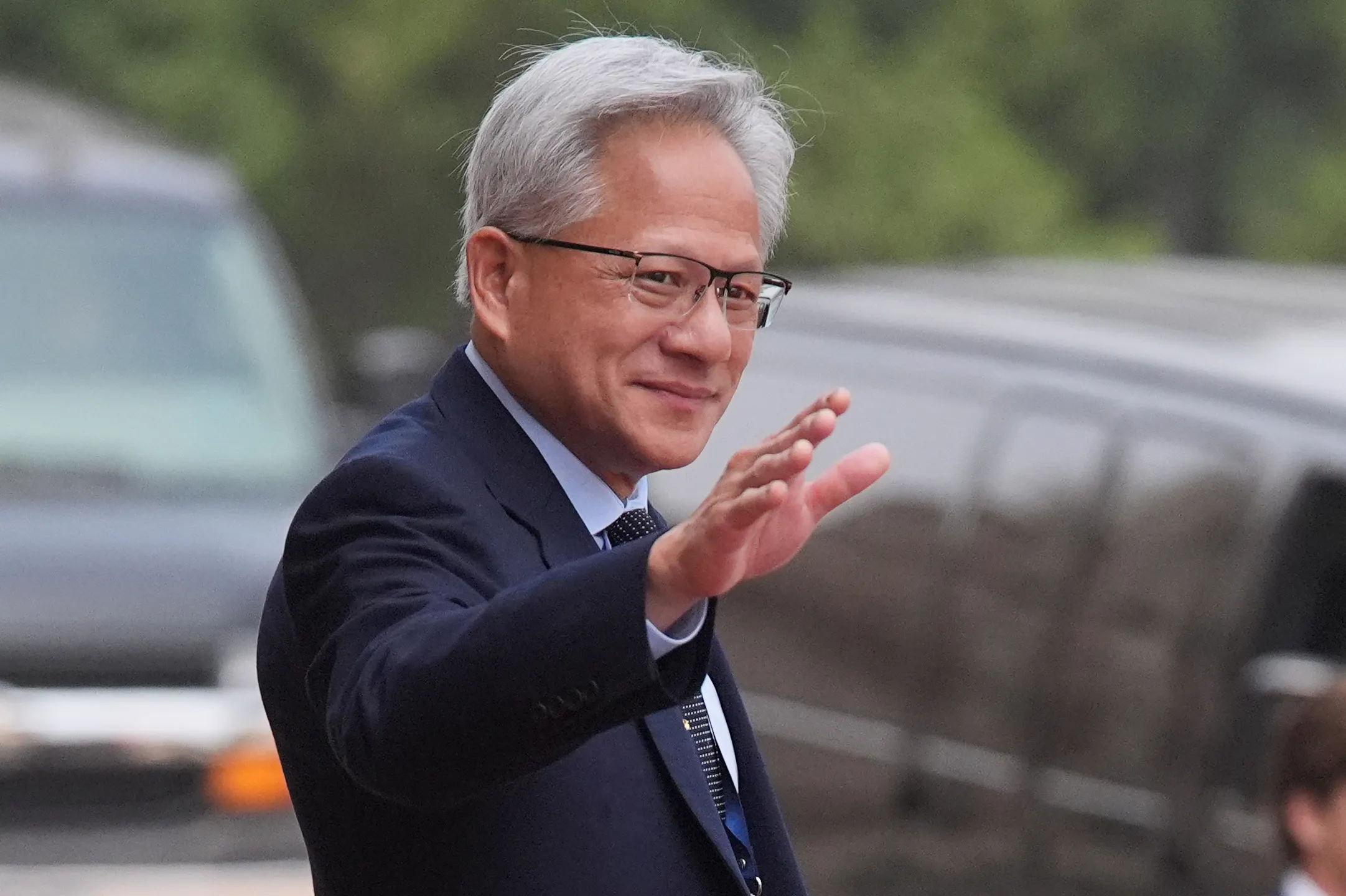
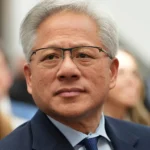
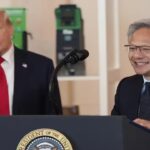
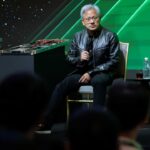
Jensen Huang has discussed the possibility of returning as Nvidia chief executive with confidants, according to a new Financial Times report. The talks, as described by people familiar with them, do not amount to a board decision or a confirmed comeback.
The FT says Huang’s allies are organising a coordinated effort to press Nvidia’s directors to bring him back. One ally described plans for a Silicon Valley ‘war room’ and an effort to seek support from the White House. Those are reported plans by his supporters, not an announcement that the administration has endorsed his return.
The report moves the story beyond the online petition calling for Huang’s reinstatement. A public signature campaign can demonstrate enthusiasm, but private discussions involving the former chief executive and lobbying directed at the board would be a different kind of pressure. Reuters has also reported the FT account, attributing the comeback discussions to the newspaper.
There is still a considerable gap between discussing a return and securing one. Nvidia’s 12 November transition statement says Huang resigned as president, chief executive and a director, with Colette Kress serving as interim CEO and CFO. The board said it would consider internal and external candidates in its search for a permanent successor. It has not announced a reversal of that process.
The White House element also needs careful reading. An ally’s intention to seek political backing does not establish that officials have offered it, or that any such support would decide a corporate appointment. Nvidia’s directors remain responsible for the succession decision. The FT’s account has not been independently verified by TechBooky.
Huang is closely associated with Nvidia’s rise to the centre of the AI infrastructure market. His supporters may argue that relationships with large customers and suppliers, as well as his grasp of product strategy, are hard to replace. The petition and reported lobbying suggest that some in the industry want continuity at a critical moment.
Directors must also weigh governance and confidence in their process. Nvidia said earlier this month that its board had initiated an independent investigation following reporting that Huang had been the target of a foreign intelligence effort. A return would therefore raise questions about what has been established, what remains under review and how the company would address those concerns. It would be wrong to present the allegations under examination as proven findings.
The timing adds another layer. Nvidia is due to report quarterly results on 17 November. Investors will be listening for evidence of AI chip demand and management’s explanation of how the company is operating during the transition. Financial performance will not settle the governance questions, but it could sharpen the pressure on the board to explain its plans.
For now, the confirmed position is straightforward. Kress is interim chief executive, a search is under way, and the comeback effort is reported rather than approved. The next decisive signal would be a statement from Nvidia or its board, not a petition count or an ally’s lobbying plan.
Related Reading
More contextual TechBooky stories selected from tags, categories and article context.
Paul Femi Balo is the founder and publisher of TechBooky. He covers artificial intelligence, African technology, digital infrastructure, enterprise technology and the global digital economy.
We use cookies to ensure that we give you the best experience on our website. If you continue to use this site we will assume that you are happy with it.