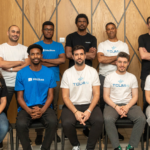
Plural has raised €1 billion to invest in European technology companies, giving the London-headquartered venture capital firm a much larger pool of money to back founders and support existing portfolio businesses. The fund was announced on 16 November as Europe debates how to finance companies working on AI infrastructure, energy, defence and healthcare.
The raise is Plural’s biggest yet. Its first fund in 2022 was €260 million and its second, announced in 2024, was €500 million. A billion-euro pool puts the firm among the relatively small number of European early-stage investors with the capacity to keep funding technically demanding businesses as their capital needs grow.
Deep technology companies often need more money and more time than a conventional software start-up. Building energy systems, AI infrastructure or defence hardware can involve lengthy engineering, regulatory work and expensive deployment before revenue scales. A small first cheque is only part of the equation; investors also need to remain involved when a promising company seeks follow-on financing.
Plural says companies in its portfolio raised more than €3 billion in follow-on capital during the past 12 months. That figure is a measure of fundraising across those businesses, not the amount Plural itself invested or a return to its backers. The new fund should give it more flexibility to participate as those companies expand.
The firm has backed European companies including defence technology developer Helsing. Its strategy is to use partners who have previously built or operated technology businesses to work closely with founders. Reuters reported that the money will support start-ups across energy, AI infrastructure, defence and healthcare as well as existing investments.
The British Business Bank said it committed €75 million to Plural. The bank expects the investment to increase the capital available to early-stage UK frontier-technology firms and deepen follow-on funding for sectors including advanced manufacturing, clean energy, defence and digital technology.
That commitment illustrates the policy dimension of the raise. European governments and investors want more locally based companies capable of competing globally in strategically important technologies. But a larger venture fund does not guarantee those companies will stay independent, become profitable or avoid raising capital elsewhere. Those outcomes depend on customers, execution and the wider financing market.
For founders, the immediate change is another substantial source of European capital at the start of a business and potentially later in its growth. For the region, the bigger test is whether investors can turn that capital into durable companies, rather than only larger funding announcements.
Plural’s raise is a vote of confidence in European frontier technology. It is also a reminder that ambition at this level has become more expensive. The next measure of success will be what its portfolio builds and sells with the money, not the size of the fund alone.
Related Reading
More contextual TechBooky stories selected from tags, categories and article context.
Paul Femi Balo is the founder and publisher of TechBooky. He covers artificial intelligence, African technology, digital infrastructure, enterprise technology and the global digital economy.
We use cookies to ensure that we give you the best experience on our website. If you continue to use this site we will assume that you are happy with it.