The AI boom is usually sold through models, chips and productivity. The less glamorous part is now becoming harder to ignore: pollution.
Former US Environmental Protection Agency officials are warning that the Trump administration’s push to accelerate data centre construction could weaken protections against air and water pollution. The Verge reported that the Environmental Protection Network identified at least 30 federal actions since January 2025 that it says could raise pollution-related health risks, with 17 directly tied to AI or data centres.
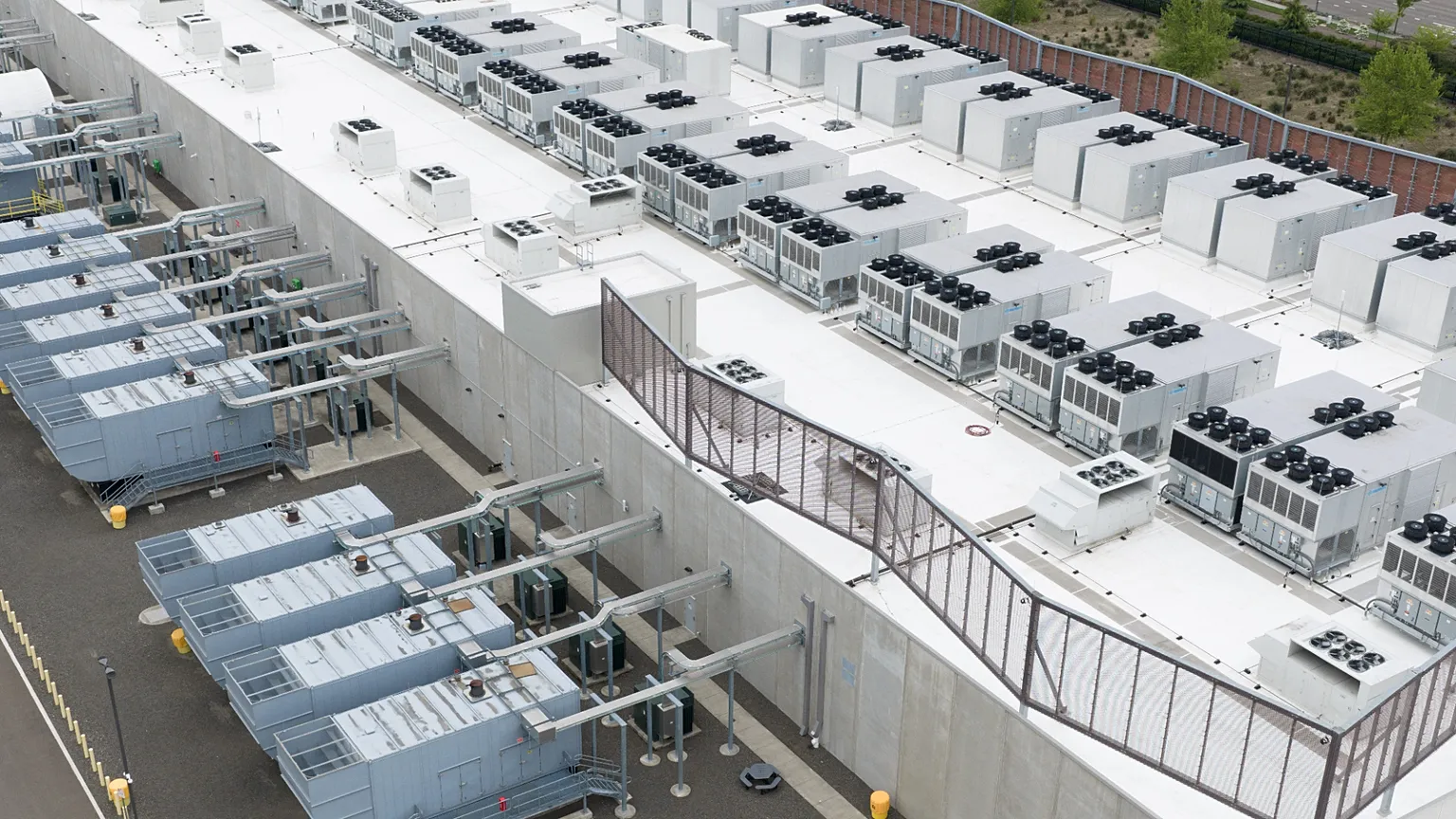
The report comes as AI companies, cloud providers and infrastructure investors race to build the facilities needed to train and run increasingly powerful models. Data centres need electricity, backup power, cooling systems, water, land and transmission capacity. When that growth happens quickly, the costs can move from company balance sheets into local communities.
The Environmental Protection Network says federal rollbacks could increase pollution from power plants, generators, cooling systems and related industrial activity. Research cited in coverage of the report estimates that data centre-related air pollution could contribute to asthma cases, premature deaths and billions of dollars in public health costs by 2028.
EPA has argued that its changes fit within environmental law and that states still have discretion over permitting. Critics disagree. They say reduced public notice, weaker enforcement and faster approvals could leave residents with less ability to challenge projects that affect their air, water, noise levels and electricity bills.
This is not only a US story. The same debate is coming to every country that wants to host AI infrastructure. TechBooky recently wrote about Digital Parks Africa’s planned Lagos data centre and AWS’ investment in Africa’s cloud and AI future. Those projects can support growth, lower latency and improve digital sovereignty, but they also need credible power, water and environmental planning.
The AI industry cannot talk about safety only in terms of rogue agents and dangerous model behaviour. If the physical infrastructure behind AI worsens local pollution or strains public utilities, the public may begin to see the technology as something built for companies at the expense of communities.
That does not mean countries should stop building data centres. It means the compute boom needs rules that account for health, transparency and local consent. AI may be digital, but its footprint is increasingly physical.
Related Reading
More contextual TechBooky stories selected from tags, categories and article context.
Paul Balo is the founder of TechBooky and a highly skilled wireless communications professional with a strong background in cloud computing, offering extensive experience in designing, implementing, and managing wireless communication systems.
We use cookies to ensure that we give you the best experience on our website. If you continue to use this site we will assume that you are happy with it.