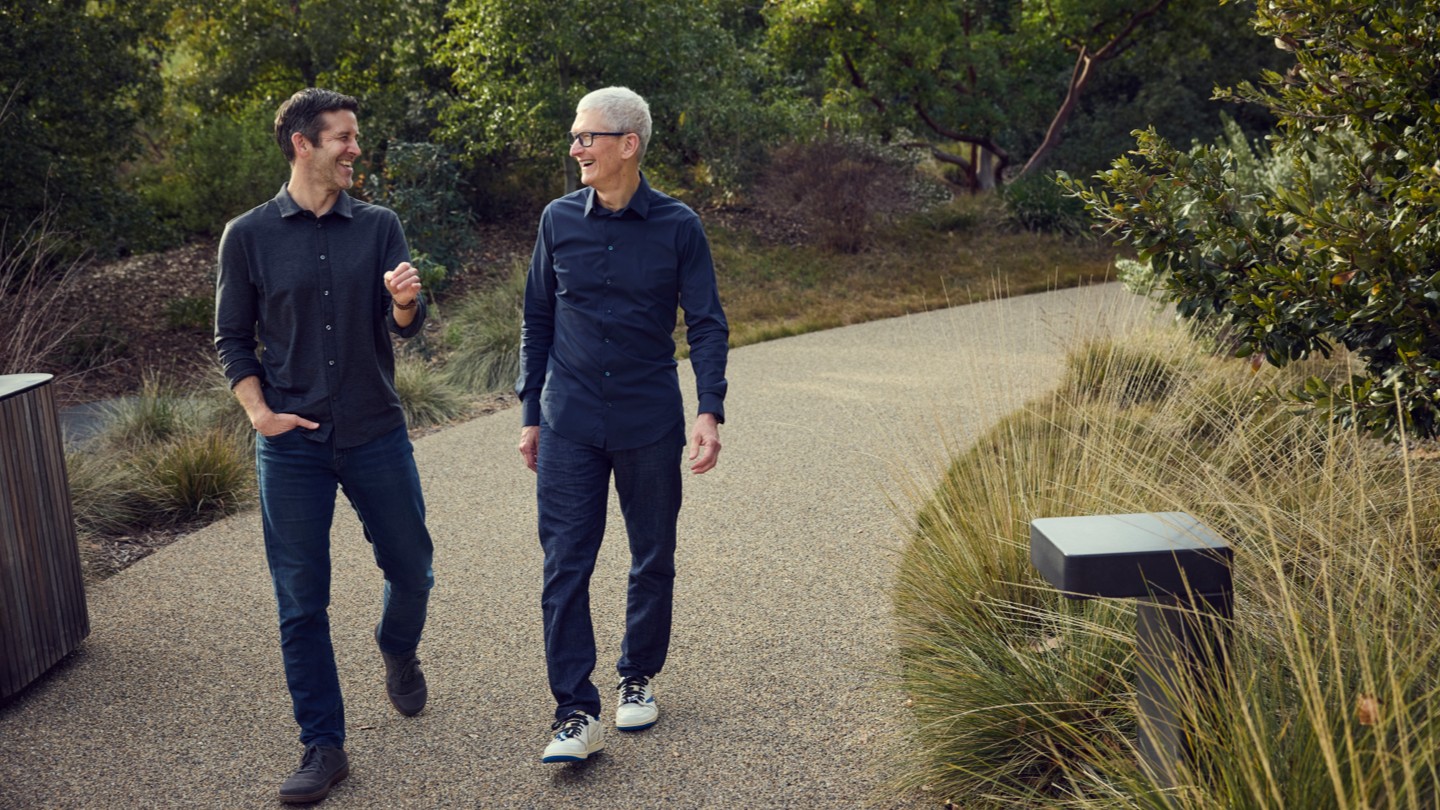
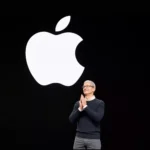
Apple is about to begin one of the most important leadership changes in its modern history. Tim Cook’s last full day as chief executive is August 31, 2026, with John Ternus set to become CEO on September 1, according to the official Apple succession announcement.
The transition does not look like a crisis. In fact, Apple has tried to make it look almost deliberately calm. Cook will become executive chairman, Ternus will join the board, and Arthur Levinson will move from non-executive chairman to lead independent director. That tells investors Apple wants continuity, not drama.
Still, this is not a small moment. Cook took over from Steve Jobs in 2011 and turned Apple from an already admired company into one of the most valuable businesses in the world. Apple says its market value grew from about $350 billion to $4 trillion under Cook, while yearly revenue rose from $108 billion in fiscal 2011 to more than $416 billion in fiscal 2025.
Cook’s Apple was not always the most surprising Apple, but it was brutally effective. The company expanded services, made wearables into a serious business, pushed Apple silicon across the Mac, grew in emerging markets and built an installed base of more than 2.5 billion active devices.
Ternus inherits all of that strength, but also a harder set of questions. Apple is still unmatched at hardware integration, yet the centre of gravity in consumer technology has moved toward artificial intelligence. The next Apple CEO has to prove that the company can make AI feel useful on the iPhone, Mac, Watch and Vision Pro without losing the privacy and control that Apple users expect.
That is why the hardware background matters. Ternus has led engineering across iPhone, Mac, iPad, AirPods and Apple Watch. If Apple’s AI future depends on tighter links between chips, sensors, operating systems and private on-device intelligence, a hardware engineer may be exactly the kind of CEO Apple wants for this phase.
The problem is that Apple’s AI story is still playing catch-up. The company has been leaning on outside partners in places where it needs more model power or local regulatory support, including the complicated China rollout around Apple Intelligence and Alibaba Qwen. That is not necessarily weakness, but it does mean Apple is sharing part of the experience with companies it does not fully control.
There is also the new AI hardware race. Apple is still the company that owns the best consumer hardware ecosystem in the world, but OpenAI, Meta, Google and others are trying to define new AI-first devices. That wider race has already produced legal and competitive tension, including the Apple and OpenAI hardware fight that showed how sensitive this category has become.
So the Ternus era begins with a simple but difficult test. Apple does not need to become OpenAI. It needs to make AI feel like an Apple product: private, useful, quiet, deeply integrated and worth upgrading for. That is harder than launching another chatbot, but it is also where Apple has historically been strongest.
Cook’s achievement was making Apple bigger without breaking it. Ternus now has to make it feel new again. For a company that sells patience as a virtue, September 1 may still be the start of a very different Apple.
Related Reading
More contextual TechBooky stories selected from tags, categories and article context.
Paul Balo is the founder of TechBooky and a highly skilled wireless communications professional with a strong background in cloud computing, offering extensive experience in designing, implementing, and managing wireless communication systems.
We use cookies to ensure that we give you the best experience on our website. If you continue to use this site we will assume that you are happy with it.