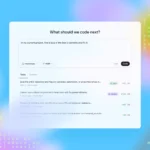
OpenAI is trying to make its Codex coding agent less tied to the computer where a developer starts work. At DevDay on Tuesday, the company introduced reusable cloud development environments that let a team prepare a project’s repositories, tools and permissions once, then start separate coding tasks from that setup. A task can continue in the cloud while a laptop is closed, and its progress can be reviewed from the web, desktop or a phone.
That is different from simply opening the same chat on another screen. In OpenAI’s DevDay announcement, the emphasis is on a persistent, approved project setup that can be reused across tasks. Each new task still gets its own workspace, so one agent’s changes do not become another agent’s working files by default. The shared part is the environment: the repositories, dependencies, tools and access rules the team has agreed to use.
Anyone who has tried to run an unfamiliar codebase knows why this matters. Before an AI agent can fix a bug, it may need to clone several repositories, install packages, set environment variables and run the right tests. Repeating those steps for each job is slow and can produce different results if two people configure the project differently. A published environment gives Codex a more consistent starting point, while allowing a developer to update the setup when the project changes.
OpenAI’s Codex Cloud guide says a developer can select repositories, let Codex inspect the project and prepare its tools, review the setup and publish it for later tasks. Teams can configure access to package registries, APIs and private services, including limits on internet destinations and secrets. That makes the feature relevant to companies with private code, although administrators still need to decide carefully what an agent can reach and who is allowed to use the environment.
The cross-device element is useful in a more ordinary way. A developer could ask Codex to investigate a failing build at a desk, leave the office, then check its findings or answer a question from a phone. The work is taking place in the cloud rather than depending on that laptop remaining awake. OpenAI already brought Codex controls to ChatGPT mobile; reusable cloud environments make that remote access more practical for work that needs a full development setup.
This is not a promise that code can be shipped without review. OpenAI describes a workflow in which people inspect changed files and test results, request follow-ups and decide when to commit or open a pull request. A cloud agent can do the waiting, searching and drafting while someone is away, but the quality of its changes still depends on the project’s tests and the judgment of the person reviewing them.
The move also changes the economics of AI coding inside a team. A solo developer can tolerate some setup friction. An organisation running dozens of agents across multiple repositories cannot. Reusing a known setup may make parallel work easier to coordinate and reduce the time spent getting each task ready. It also gives managers a clearer point at which to inspect the permissions and services available to Codex before more people use it.
OpenAI says Codex in the cloud is available on Plus, Pro, Business, Healthcare, Education and Enterprise plans. The company has not said that every organisation should move all development to its cloud. Some teams will continue to prefer local or tightly managed remote systems for sensitive work. The new option is most compelling where repeatable setup and work that can continue across devices matter more than keeping execution on one machine.
For OpenAI, this is another step in turning Codex from a coding assistant into infrastructure for software teams. The company gave Codex a dedicated desktop app earlier this year. Now it wants the project environment to outlast any one task or device. The measure of success will be whether teams can trust that environment, review the changes it produces and get useful work done without rebuilding their setup each morning.
Related Reading
More contextual TechBooky stories selected from tags, categories and article context.
Paul Balo is the founder of TechBooky and a highly skilled wireless communications professional with a strong background in cloud computing, offering extensive experience in designing, implementing, and managing wireless communication systems.
We use cookies to ensure that we give you the best experience on our website. If you continue to use this site we will assume that you are happy with it.