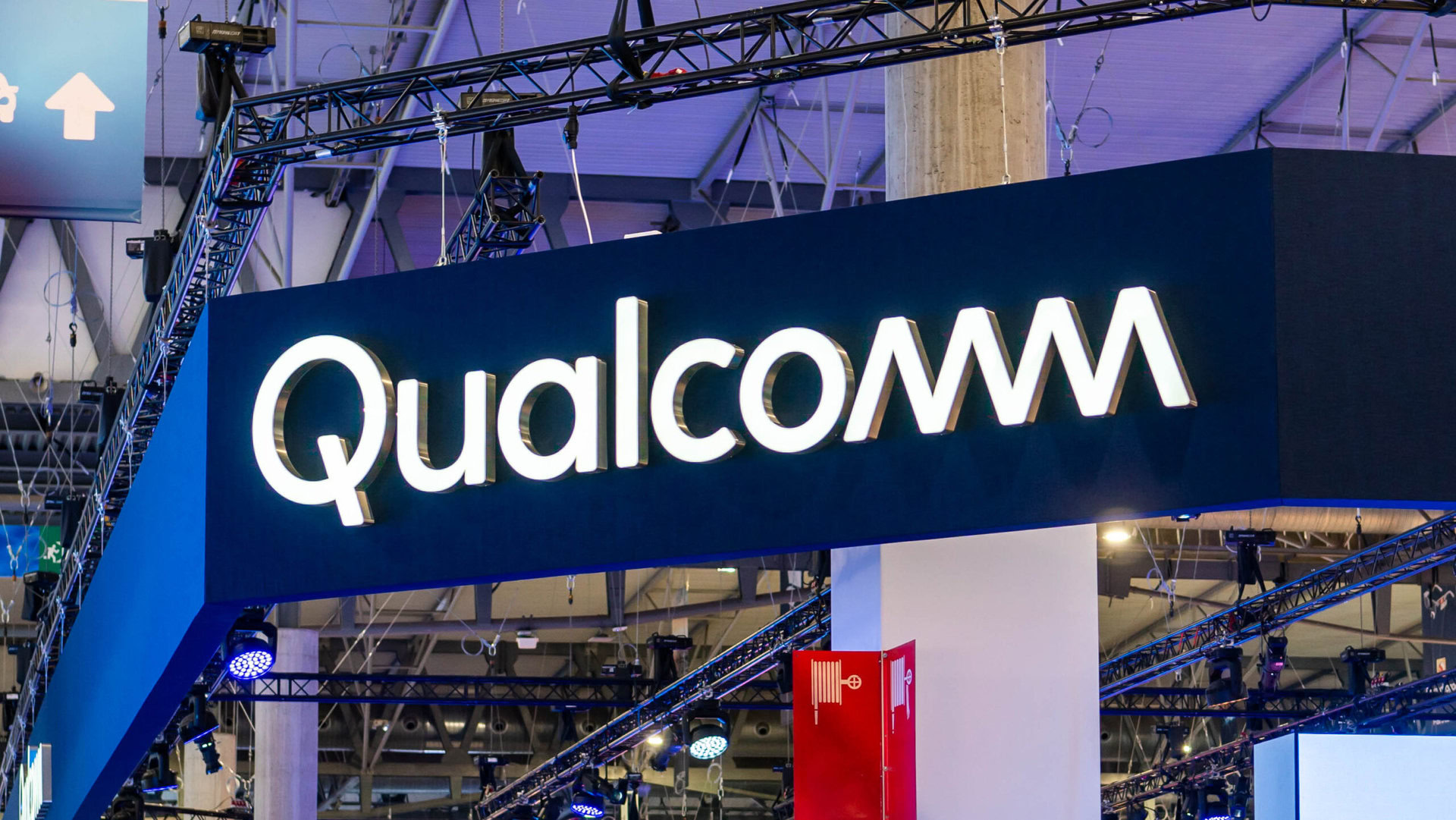
Qualcomm’s latest earnings show how difficult the chip business has become for companies that are trying to move beyond smartphones while still depending heavily on them for today’s revenue.
The company’s latest financial results showed GAAP revenue of $9.9 billion for its fiscal third quarter, with GAAP earnings per share of $1.87 and non-GAAP EPS of $2.21. The revenue number was slightly better than Wall Street expected, but the profit picture was weaker, and that was enough to put pressure on the stock after the report.
The bigger problem is that Qualcomm is being squeezed from two sides. Smartphone demand remains soft in key Android markets, especially at the premium end where Qualcomm’s Snapdragon chips usually carry more weight. At the same time, the cost of memory and other chip inputs is rising, which means the company has less room to protect margins unless it raises prices or finds faster growth elsewhere.
MarketWatch said Qualcomm shares fell in after-hours trading as investors focused on the earnings miss and weaker-than-expected guidance. For the September quarter, the company guided for revenue between $9.7 billion and $10.5 billion and adjusted EPS between $2.05 and $2.25. That outlook suggests the pressure will not disappear quickly.
That does not mean Qualcomm’s story is only negative. The company has been trying to convince investors that it is no longer just a smartphone chip supplier. Automotive chips, Internet of Things products and data centre opportunities are becoming more important to its long-term plan. Reports from the earnings release showed stronger growth in non-handset areas, which is why the market reaction was not simply about one weak phone cycle.
The timing is important. AI demand has changed how investors think about semiconductors. Nvidia still dominates the accelerator conversation, but the wider market is now looking for the companies that can supply CPUs, connectivity, edge AI chips, networking components and lower-power compute for cars, devices and data centres. Qualcomm wants to be in that conversation, especially as AI moves from cloud servers into phones, PCs, vehicles and enterprise hardware.
But the handset decline still matters because it funds the transition. A company can talk about automotive and data centre growth, but when phone chips remain a large part of the business, weakness there can make every new bet look more urgent. The same memory squeeze that helped SK Hynix post record AI memory profit is a cost problem for companies buying those components and trying to protect device margins.
There is also a China angle. Android demand in China has been uneven, and local chip ambitions continue to rise. The wider shift, including China’s push through companies like CXMT in AI memory, shows why Qualcomm cannot assume that historical smartphone dominance will carry the next cycle on its own.
For Qualcomm, the quarter is a reminder that diversification is no longer a nice investor presentation line. It is the core business problem. The company still has strong technology, deep customer relationships and a credible role in edge AI. But until automotive, IoT and data centre revenue can carry more of the load, every soft smartphone quarter will keep raising the same question. Can Qualcomm move fast enough before its old profit engine loses more power?
Related Reading
More contextual TechBooky stories selected from tags, categories and article context.
Paul Balo is the founder of TechBooky and a highly skilled wireless communications professional with a strong background in cloud computing, offering extensive experience in designing, implementing, and managing wireless communication systems.
We use cookies to ensure that we give you the best experience on our website. If you continue to use this site we will assume that you are happy with it.