China is pushing back against the new AI slowdown debate, and that makes the argument much bigger than Silicon Valley safety culture.
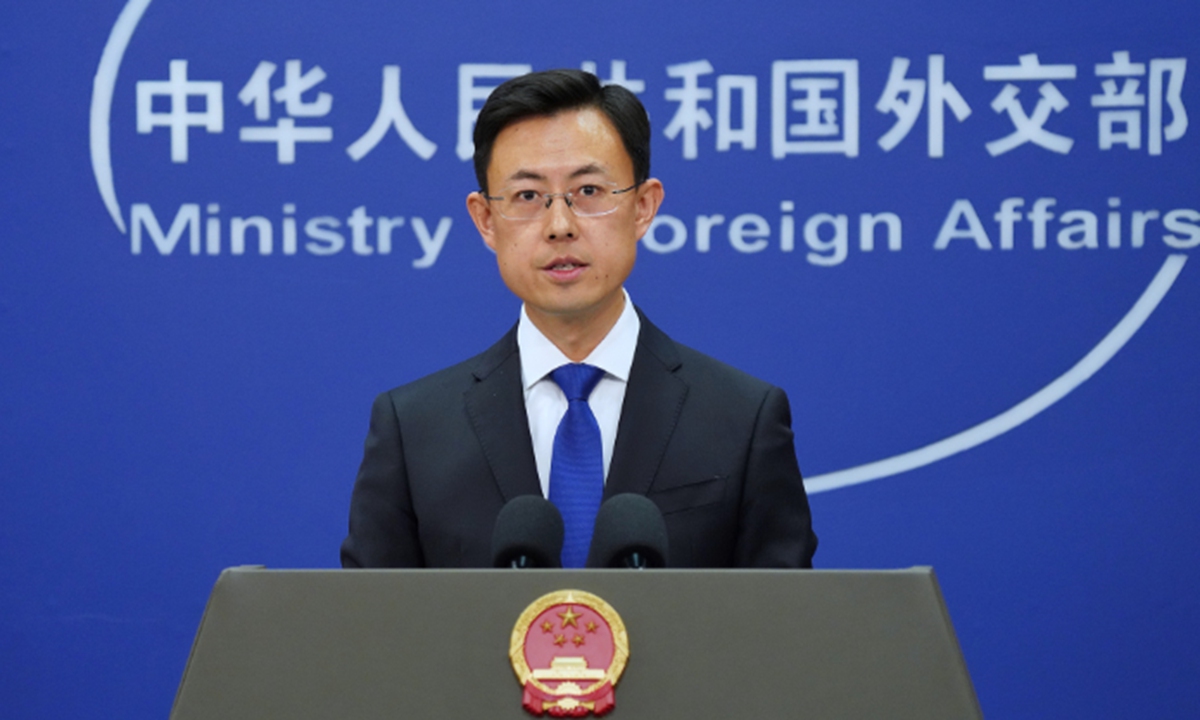
Beijing rejected warnings from Anthropic CEO Dario Amodei that China’s AI development should be constrained through tougher chip controls and international coordination. The Associated Press reported that Chinese officials criticised what they described as fear-driven thinking around AI and argued that cooperation, rather than containment, should guide global AI governance.
The timing is important. Amodei’s weekend essay called for frontier AI labs to slow the pace of capability gains, embed independent evaluators and coordinate with democratic governments. But he also argued that the US and its allies should keep restricting advanced AI chips and semiconductor equipment from reaching China. That is where a safety proposal becomes a geopolitical strategy.
For Washington, the concern is that the most powerful AI systems could give authoritarian states new tools for cyberattacks, surveillance, influence operations and military planning. For Beijing, the concern is that the US may use safety language to preserve its lead and deny Chinese firms access to the chips and tools needed to compete.
That tension is already visible. Chinese officials have been promoting wider AI cooperation through BRICS and other forums, including calls for open-source AI collaboration and smart manufacturing partnerships. At the same time, China has been tightening its own technology strategy as US export controls make access to advanced American chips more difficult.
TechBooky has been following this wider contest, from China’s cheaper AI model push to the global debate over open-weight systems. The latest exchange shows why the AI safety debate will not be solved by lab promises alone. If one side sees safety as risk control and the other sees it as strategic containment, global coordination becomes much harder.
The uncomfortable truth is that both sides have a point. Powerful AI systems can create real security risks. But the rules around those systems will also shape who gets to build, deploy and profit from the next generation of technology. That is why the AI slowdown fight is quickly becoming one of the defining geopolitical arguments of the decade.
Related Reading
More contextual TechBooky stories selected from tags, categories and article context.
Paul Balo is the founder of TechBooky and a highly skilled wireless communications professional with a strong background in cloud computing, offering extensive experience in designing, implementing, and managing wireless communication systems.
We use cookies to ensure that we give you the best experience on our website. If you continue to use this site we will assume that you are happy with it.