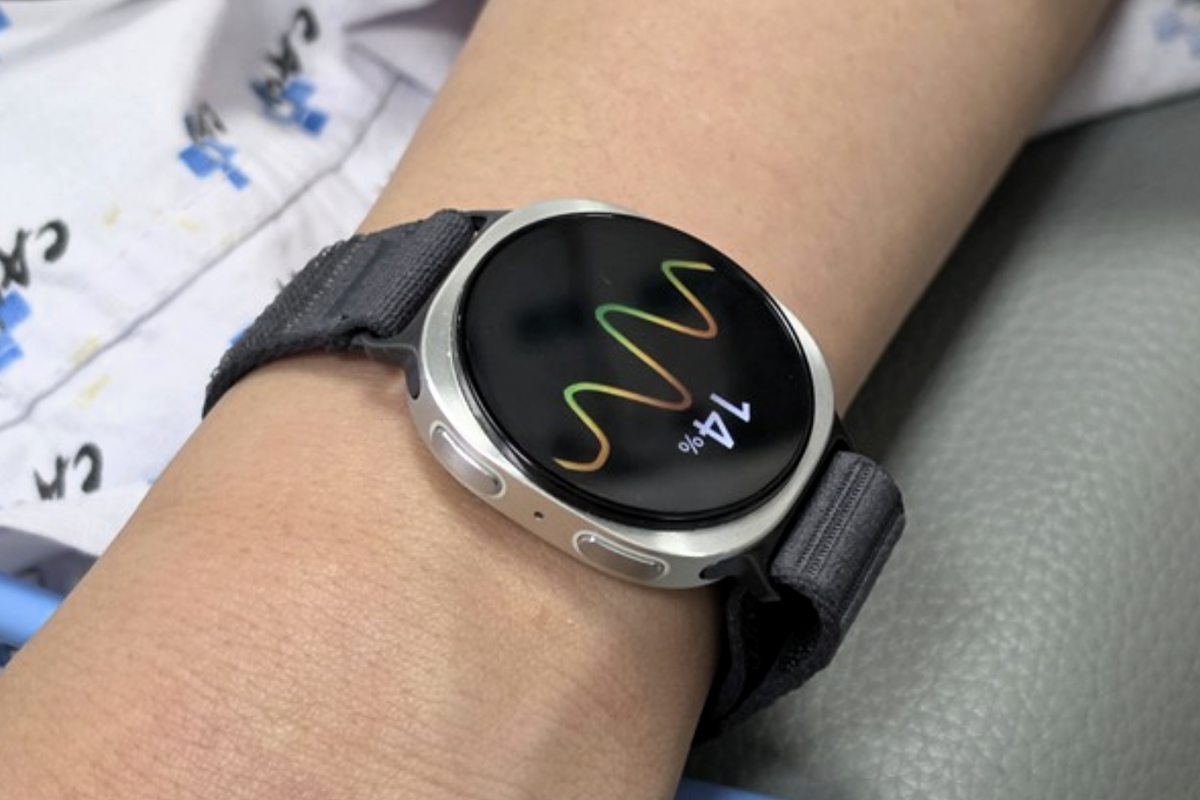
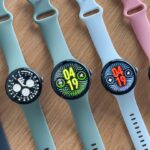
The company has partnered with Chung-Ang University Gwangmyeong Hospital in South Korea to test sensors in the Galaxy Watch 6 that can predict vasovagal syncope one of the most common causes of fainting with what researchers describe as high accuracy. The feature is still in clinical testing, but early results suggest it could mark a notable shift in how wearables help people manage serious health events.
Vasovagal syncope is a type of fainting triggered by the nervous system’s response to stress. When it hits, the body’s heart rate and blood pressure can drop suddenly, restricting blood flow to the brain and causing a brief loss of consciousness. It’s both common and, crucially for tech companies, relatively measurable using the kinds of sensors smartwatches already carry.
Because vasovagal syncope involves clear changes in heart rate and blood pressure, it is more amenable to early detection via wearables than other types of fainting, such as postural syncope or cardiac syncope, which can have more complex or varied causes. That aligns well with the Galaxy Watch’s existing sensor suite, which already tracks heart metrics and related signals.
Today’s mainstream wearables, including the Apple Watch, tend to focus on detecting incidents after they happen. Fall detection, for example, can alert contacts or emergency services once a user has already lost consciousness or hit the ground. Samsung’s research aims to move that line of defense earlier, using predictive signals to warn a user before a fainting episode fully develops.
For people who live with conditions that cause periodic syncope, that timing matters. Even short advance notice could provide a chance to sit or lie down, avoid stairs or platforms, or get to a safer space before losing consciousness, potentially reducing the risk of concussions and other secondary injuries that come from sudden collapses.
The vasovagal syncope detection work is currently being evaluated in clinical trials at Gwangmyeong Hospital. According to early data from those tests, the Galaxy Watch 6 sensors were able to predict vasovagal syncope episodes up to five minutes before they occurred. In those trials, the system reached:
More than 84% overall accuracy
90% sensitivity (a measure of how effectively it identifies true positive cases)
64% specificity (how well it avoids false positives)
Those numbers are not perfect, and the technology will still need further validation, but they are strong enough to be considered a meaningful step for fainting prediction. Researchers expect that performance could improve over time with more data and refinement.
Importantly, a predictive sensor is not a replacement for medical treatment or diagnosis. The trials position the feature as an additional safety tool rather than a stand-alone solution, an early-warning layer that can complement a doctor’s care plan and other mitigation strategies. For many users, that could still be highly valuable: even an imperfect warning might help them avoid the worst effects of a sudden loss of consciousness.
For now, Samsung’s vasovagal syncope sensor remains in the clinical-testing phase. The company has not publicly committed to a specific release date or confirmed exactly how the capability will appear in consumer products, only that it may come to future Galaxy Watch models if the trials continue to be successful.
This work fits into a broader health-tracking push from Samsung over the last two years. Reports have pointed to increased investment in areas such as glucose monitoring and cardiovascular health, suggesting the company is looking to expand far beyond basic fitness metrics. If Samsung can successfully translate its clinical work in these areas into reliable consumer features, future Galaxy Watches could offer a more comprehensive picture of health than many current rivals.
All of this sits against a familiar set of challenges for smart health devices: continuous monitoring demands more battery life, and more advanced analytics must be balanced with usability and user trust. Recent advances in hardware and software are starting to narrow that gap, enabling more constant tracking without rendering a watch useless after half a day off the charger. The fainting-prediction tests are one sign of where that progress might be headed.
While it is too early to declare Samsung the clear winner in health-focused wearables, its work on vasovagal syncope prediction highlights how the next wave of competition may be defined. Instead of just logging what has already happened, the most compelling wearables will try to see a few minutes into the future and give people enough warning to protect themselves.
Related Reading
More contextual TechBooky stories selected from tags, categories and article context.
Paul Femi Balo is the founder and publisher of TechBooky. He covers artificial intelligence, African technology, digital infrastructure, enterprise technology and the global digital economy.
We use cookies to ensure that we give you the best experience on our website. If you continue to use this site we will assume that you are happy with it.