Samsung has used Galaxy Unpacked in London to push the Galaxy ecosystem beyond phones and watches, introducing intelligent eyewear developed with Gentle Monster and Warby Parker. It is one of the more interesting announcements from the event because it places Samsung directly in the next wearable AI fight.
The eyewear is built on concepts Samsung and Google had already discussed around Android XR, but today’s announcement gives the project a clearer consumer shape. Samsung says the devices are designed for everyday use, with lightweight frames, slim profiles, multiple frame styles, colour and lens options, and the kind of fashion-aware design that comes from working with established eyewear brands.
This is important because smart glasses cannot win only by being smart. They also have to look normal enough for people to wear outside a demo room. Google Glass taught the industry that lesson years ago, and Meta’s Ray-Ban partnership has since shown that design and social comfort are just as important as cameras, chips and AI features.
Samsung says the intelligent eyewear is built in partnership with Google and brings Gemini into a wearable form factor. The device uses Qualcomm’s Snapdragon AR1 Gen1 platform and includes a built-in camera that can bring visual context into the AI experience. Samsung is promising up to nine hours on a single charge, with up to seven additional full charges from the charging case, although real-world battery life will depend on features, networks and usage.
The stated use cases are exactly where AI glasses could become useful if done well. Samsung says users will be able to summarize long messages, hear key information read aloud, use live translation, ask for route guidance, capture context from a whiteboard or meeting, and share what they are seeing during a call. Voice and gesture interactions are part of the experience, although Samsung notes that some gesture features will require Watch9.
That makes this product less like a standalone computer and more like a hands-free layer for the Galaxy ecosystem. The phone remains the center, the watch reads the body and the glasses add visual context. If Samsung can make those three work together smoothly, intelligent eyewear could become more than a camera on your face.
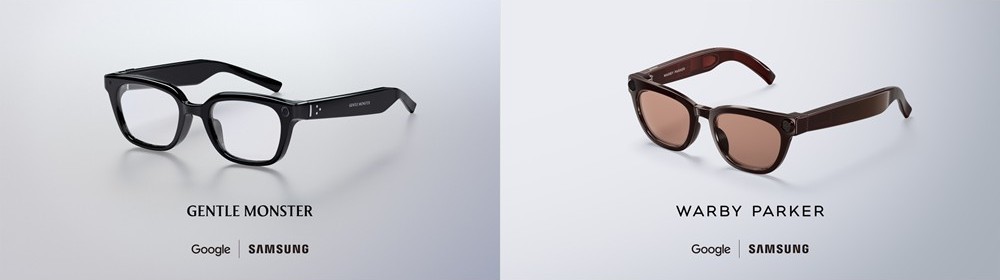
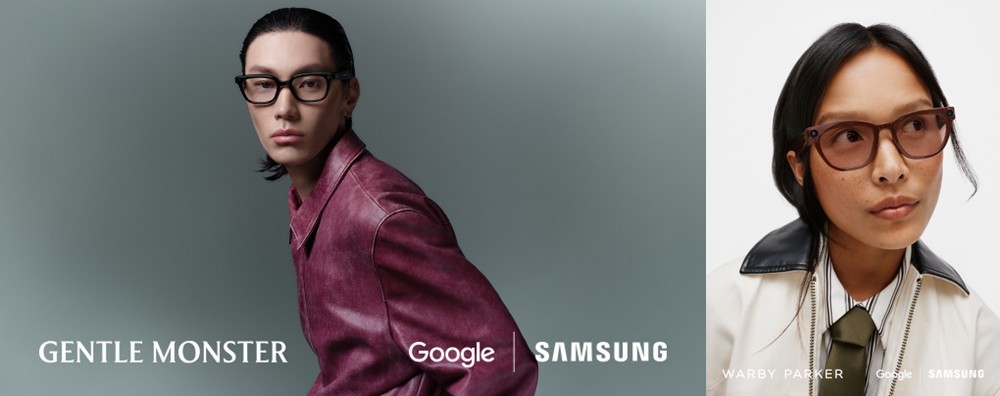
Samsung’s choice of Gentle Monster and Warby Parker is not just branding. Eyewear is personal. People choose frames based on face shape, style, comfort and identity. Samsung says the Gentle Monster edition uses a slim black frame with a straight upper rim and rounded lower edges, while the Warby Parker style has a subtly upswept brow line in brown for a more everyday look.
Working with those brands gives Samsung a better chance of avoiding the biggest smart glasses mistake: making people feel like they are wearing a gadget first and glasses second. It also lets Samsung offer more styles from the start, which matters if the product is meant to be worn daily rather than occasionally.
The product also puts Samsung deeper into Google’s Android XR strategy. At Google I/O, Google had already positioned Android XR as a platform for headsets and glasses powered by Gemini. Samsung’s Unpacked announcement now gives that software push a consumer hardware partner with global reach.
Smart glasses always come with a privacy debate, especially when they include cameras and live visual sharing. Samsung says the eyewear includes clear controls and safeguards for responsible and secure use, but the market will want to see exactly how recording indicators, consent prompts, app permissions and regional rules work in practice.
This will be particularly sensitive in public spaces, workplaces, classrooms and transport systems. A phone camera is visible because people raise the device to use it. Glasses can blur that signal. That is why Samsung, Google and their eyewear partners will have to make social trust part of the product, not just a footnote.
Still, the direction is clear. AI is moving from chat boxes into devices that can see, hear, summarize, translate and act with more context. Samsung’s intelligent eyewear announcement suggests the company wants Galaxy AI to follow users across screens, wrists and now their line of sight.
The big question is whether this becomes a real daily wearable or another niche gadget. The answer will depend on price, battery life, privacy design, app support, regional availability and whether Gemini can be helpful without feeling intrusive. But as a signal of where Samsung thinks personal AI is going, this is one of the day’s more important announcements.
Related Reading
More contextual TechBooky stories selected from tags, categories and article context.
Paul Femi Balo is the founder and publisher of TechBooky. He covers artificial intelligence, African technology, digital infrastructure, enterprise technology and the global digital economy.
We use cookies to ensure that we give you the best experience on our website. If you continue to use this site we will assume that you are happy with it.