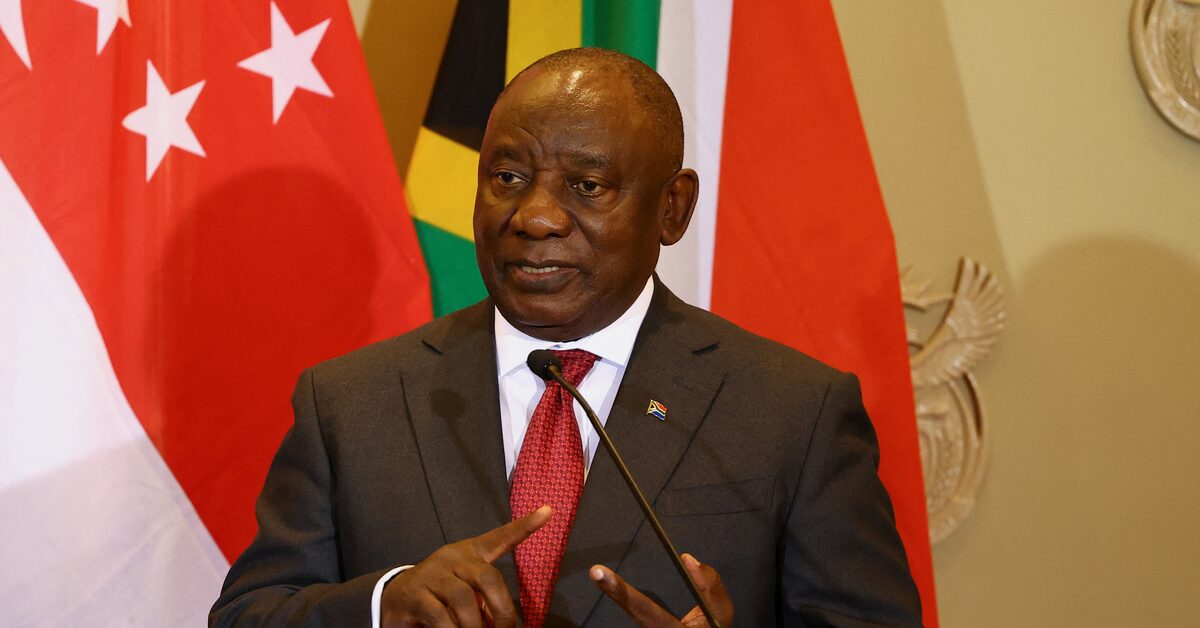
South Africa is considering a R100 million venture capital fund for artificial intelligence and technology start-ups, alongside a proposed credit guarantee facility. President Cyril Ramaphosa outlined the plan at the end of a working visit to Silicon Valley, according to the government news agency on Sunday, 22 November. The money has not yet been deployed and the initiative should be understood as a proposal, not an open funding programme.
The idea is significant because financing remains only one obstacle for African AI companies. Founders also need affordable computing capacity, relevant data, skilled staff and customers willing to pay for dependable products. Ramaphosa said the government would seek to match commitments from entrepreneurs and invite private-sector participation, while a separate guarantee facility could help firms that struggle to meet conventional lending requirements.
During the visit, South African investor Andile Ngcaba proposed the R100 million fund and offered to contribute a quarter of that target, provided other partners joined. He pointed to the cost of graphics processing units and related infrastructure as a barrier for young AI businesses. The government’s subsequent remarks have moved the idea into a wider discussion about a national funding ecosystem, but key details still need to be settled.
Those details include who will administer the fund, what proportion will come from the state, how investment decisions will be made and whether support will be available to firms outside major technology hubs. There is also a distinction between venture capital, which takes equity and tolerates risk, and credit guarantees, which help businesses secure loans. Combining the two may widen the pool of eligible firms, but the terms will determine whether it actually does.
South Africa has research institutions, enterprise customers and data-centre infrastructure that give it a stronger starting position than many markets. Yet access to compute alone will not create sustainable start-ups. Companies still need clear procurement pathways, data protection safeguards and products suited to local industries and languages. The government says it wants an AI action plan within 90 days of the visit, so the next test is whether the fund becomes a concrete, accessible programme.
TechBooky has followed the rise of practical enterprise AI businesses in the country, including Cue’s customer-service funding round. That example shows private capital is already reaching some companies. A public-private fund could be most valuable if it broadens access to earlier-stage teams and provides technical support as well as cash.
For now, the headline is an intention and a possible funding structure. Readers should watch for a formal launch, binding contributions, eligibility rules and an application process. Those milestones will show whether South Africa’s Silicon Valley discussions translate into investable opportunities at home.
Related Reading
More contextual TechBooky stories selected from tags, categories and article context.
Paul Femi Balo is the founder and publisher of TechBooky. He covers artificial intelligence, African technology, digital infrastructure, enterprise technology and the global digital economy.
We use cookies to ensure that we give you the best experience on our website. If you continue to use this site we will assume that you are happy with it.