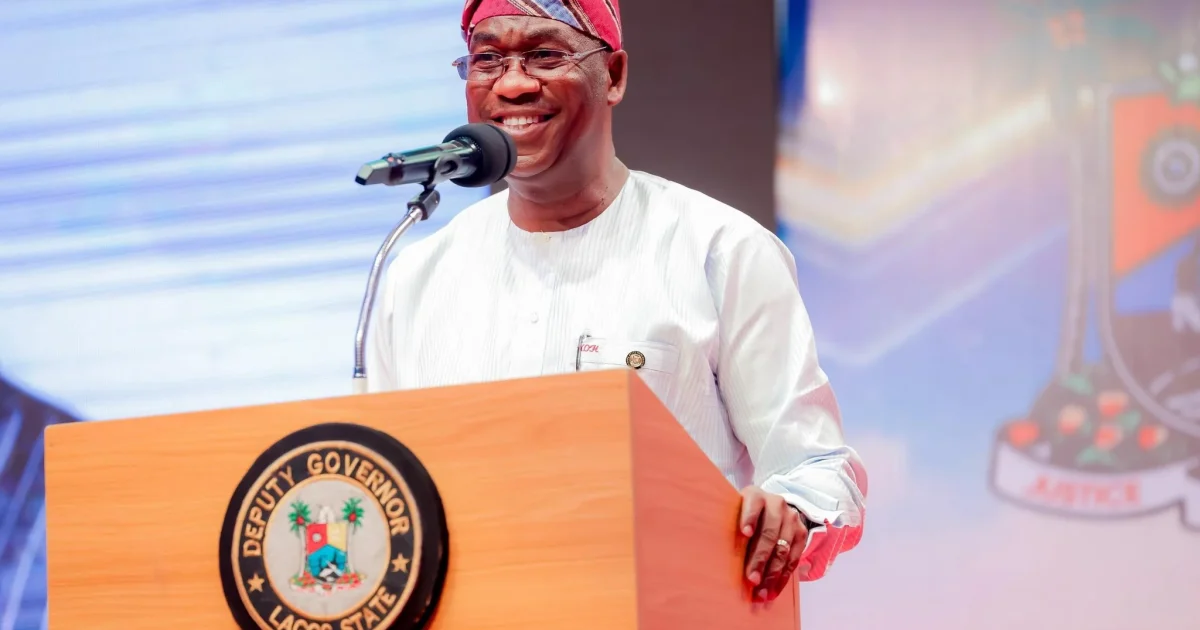
Lagos State is targeting a 6,000-kilometre fibre network and wants startups to receive a tenth of its public procurement, two proposals that could make digital infrastructure and government demand work together for local technology companies. Deputy Governor Obafemi Hamzat outlined the plans at a digital-economy town hall on Friday, 20 November, according to Punch’s report published on Monday. Both are targets rather than completed programmes.
Hamzat said Lagos aims to expand its fibre footprint from 2,400 kilometres to 6,000 kilometres through work with telecommunications companies and other private partners. That would add 3,600 kilometres if the starting figure and target are measured on the same basis. He also described a plan to reserve 10% of public procurement for startups and to pay participating companies within 15 days. The state has not yet provided a full implementation timetable or the detailed eligibility rules for that procurement share.
More fibre can give mobile networks, data centres, public institutions and fixed-broadband providers the capacity they need to serve more users. But kilometres laid are only one measure of success. The practical questions are where new routes go, how many homes and businesses can connect, how fairly operators can access the network and whether service becomes more reliable and affordable.
Lagos has made earlier metro-fibre commitments. TechBooky covered the launch of a second phase of its 3,300-kilometre metro-fibre project in 2025. The figures in separate announcements should not automatically be added together. The government will need to explain what counts as already built, which segments are planned, and whether the new 6,000-kilometre target supersedes or includes prior commitments.
Hamzat also said 680 of Lagos’s 1,028 public schools have internet connections, leaving 348 still to be connected. That gives the fibre programme an immediate public-service test. A connected school needs dependable bandwidth, equipment and ongoing support, not simply a line near its premises. The state said it also wants to make government data available through application programming interfaces, another step that would depend on reliable infrastructure and sensible safeguards.
The procurement proposal could be as important to startups as faster connectivity. A government customer can provide demand that is harder to find in a private market. It can also be difficult for a young company to serve if bidding requirements are complex or payment arrives late. A 10% set-aside paired with a 15-day payment ambition would address both problems, but only if the rules are clear and the payment target is met in practice.
Key questions remain. Will the 10% apply to the value of contracts or their number? Which businesses will qualify as startups, and will smaller firms be able to bid without excessive guarantees? How will the state report awards and payment times? Without transparent answers, the headline percentage would be difficult to measure. Hamzat said women accounted for about 54% of startups that had undertaken work under the initiative, according to the report, but more detail is needed to assess its reach.
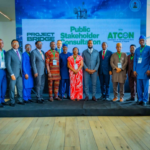
The town hall, hosted by MyCard Global and the Fintech Association of Nigeria, was intended to help shape Lagos’s digital-economy agenda. Flutterwave chief executive Gbenga Agboola called for more consistent policy and coordination, according to Punch. That is relevant to both proposals. Fibre deployment requires cooperation over routes and permissions, while procurement depends on predictable rules across agencies.
For now, the most useful measures of progress will be published build milestones, newly connected institutions and customers, actual contracts awarded to eligible startups, and whether suppliers are paid on time. The ambition is notable. Turning it into better broadband and meaningful opportunities for Lagos-based businesses will require more than the announcement.
Related Reading
More contextual TechBooky stories selected from tags, categories and article context.
We use cookies to ensure that we give you the best experience on our website. If you continue to use this site we will assume that you are happy with it.