For many YouTube creators, the difficult part is no longer finding an audience. It is turning that audience into a business without spending half the week negotiating with brands, maintaining affiliate links and chasing paperwork. At its Made on YouTube event on September 23, the platform announced changes aimed squarely at that problem.
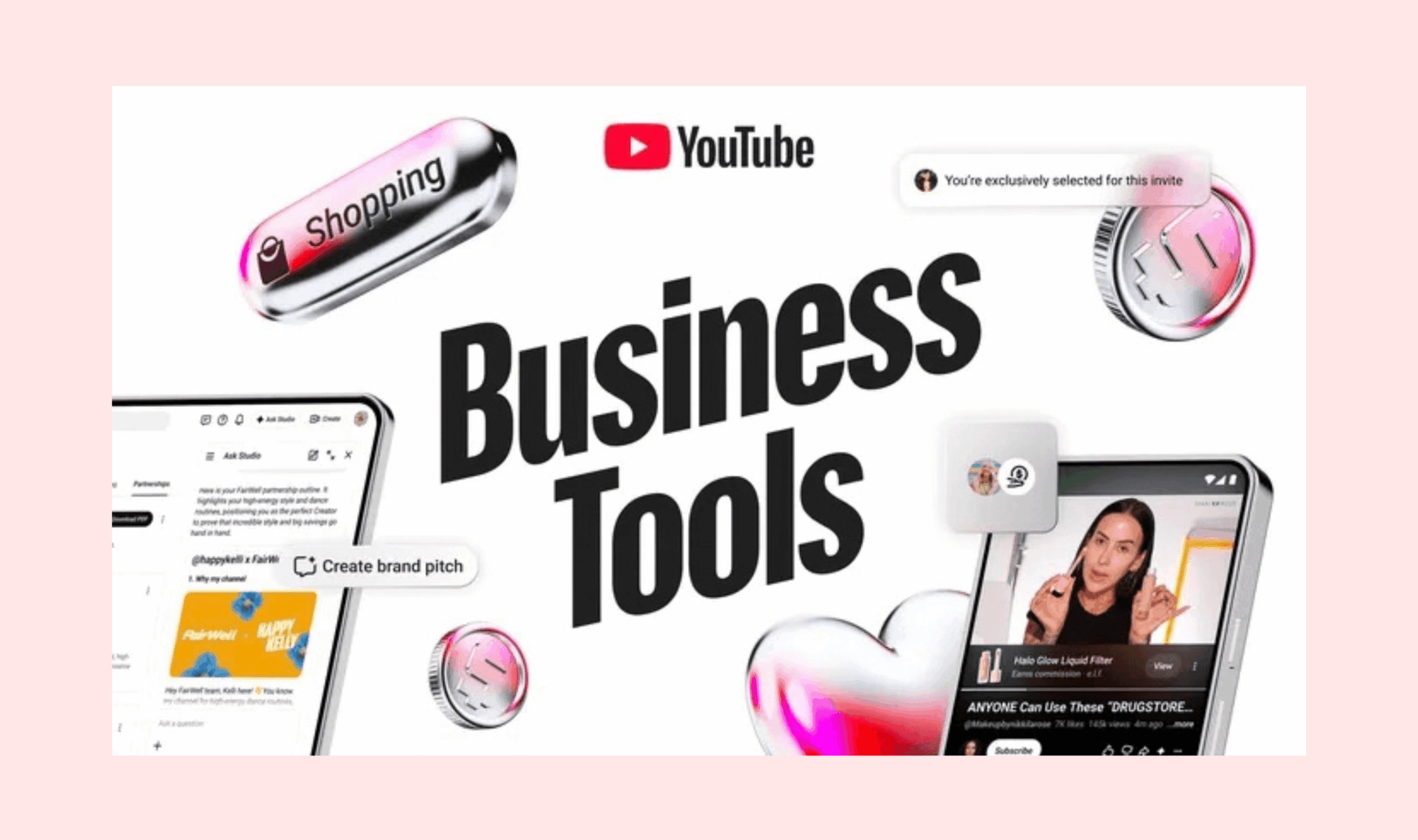
The most concrete expansion is in YouTube Shopping. The company says its affiliate programme will reach 35 countries by the end of 2026, allowing eligible creators in more markets to tag products in videos, livestreams and Shorts. It did not say that every country will gain access immediately, or publish a complete list in the announcement, so creators should check local eligibility rather than assume a global switch has been flipped.
YouTube says more than 1.3 million creators already participate in the affiliate programme and that gross merchandise value generated through it has grown 13-fold over the past two years. Those are platform figures, not a promise about what an individual channel will earn. A larger programme could bring more commission opportunities, but it will also mean more competition for the same viewers’ attention.
The company is trying to make a video more useful as a shop window. It says product tags drive more than twice as many clicks as links placed in video descriptions, based on its own study. It is expanding the ability to tag Amazon products from the United States to India and Brazil in the coming weeks, with other markets planned before year-end. Product links will also be localised for viewers in different countries, while affiliate campaigns may offer specific commission rates or bonuses.
That cross-border work matters to creators whose videos travel further than their payment arrangements. A Nigerian, British or Indian viewer may see the same video but have access to different retailers and prices. Localised links could reduce the familiar frustration of being shown a product that cannot be bought where the viewer lives. Yet shipping, taxes and programme availability will still shape whether the conversion happens.
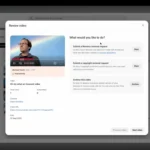
On the brand-deal side, YouTube plans to make Studio a central place for pitches and negotiations. Ask Studio will help draft responses to briefs, prepare proactive pitches and tailor a media kit. YouTube Creator Partnerships is now available in 20 countries, and creators will be able to give a brand access to a sponsored video’s performance with a one-click code. The company is also continuing to test dynamic brand segments that can be inserted across long-form videos and targeted by region.
None of this removes the need for creators to decide which products they genuinely recommend. A smoother deal flow might make sponsored content easier to sell, but trust is still the asset that makes the business work. Readers can see that pressure in the wider competition among creator platforms, where monetisation options increasingly matter as much as audience size.
The significant change here is that YouTube is building more of the creator’s commercial workflow inside its own platform. If it succeeds, creators could spend less time moving between spreadsheets, retailer dashboards and brand emails. They will also become more dependent on YouTube’s rules for who qualifies, what can be tagged and how partnerships are measured.
Related Reading
More contextual TechBooky stories selected from tags, categories and article context.
Paul Balo is the founder of TechBooky and a highly skilled wireless communications professional with a strong background in cloud computing, offering extensive experience in designing, implementing, and managing wireless communication systems.
We use cookies to ensure that we give you the best experience on our website. If you continue to use this site we will assume that you are happy with it.