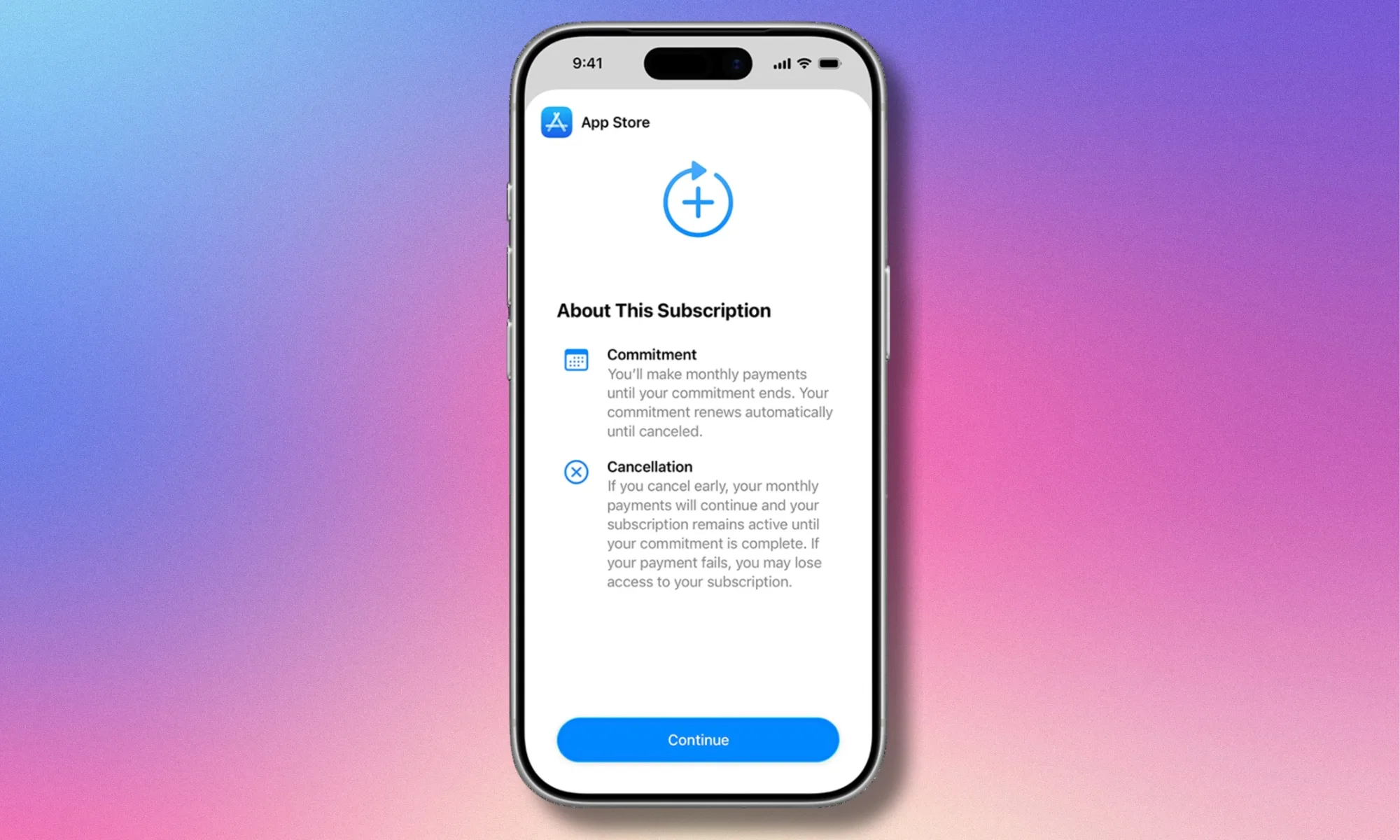
Apple now allows developers to partner on subscription bundles, letting users pay less for multiple apps than they would for separate subscriptions.
This move from Apple is formally to extend its App Store bundles feature so that entirely different developers can collaborate and provide cross-app subscription bundles. This significant ecosystem change, which was revealed as an expansion to its app packages’ functions at the Worldwide Developers Conference (WWDC), is similar to the common consolidation tactics employed by streaming giants like Disney and HBO to keep viewers. Previously, a developer with several apps could sell them in packages.
According to Apple, developers will now be able to collaborate in order to provide people with “more for less.” Developers can collaborate to create app bundles, which are less expensive than if a consumer were to purchase subscriptions to each app individually, rather than only bundling apps inside their own catalogue.
This approach borrows from a popular tactic in streaming and media, used by companies such as HBO and Disney, which bundle subscriptions to enhance perceived value and reduce churn.
In a similar vein, developers with overlapping clientele who are not direct rivals can find bundles useful. A creativity-focused app bundle, for example, would include a camera app, tools for editing photos and videos, and maybe an app for sharing content on social media.
In a similar vein, developers of productivity apps may collaborate with one another to fill in the gaps left by their own products. For example, consumers could purchase packages that include the calendar app of one developer with the to-do list of another.
Apple will also allow developers to offer “Suites,” which are subscription bundles unavailable for standalone purchase.
Previously, Apple only allowed individual developers to bundle their own apps together, but the new update now permits separate, non-competing companies to combine their tools under a single payment system.
Here is how cross-developer bundles work:
Complementary Grouping: Developers who share a similar target audience can team up.
Lower Prices: Users get access to premium apps at a discount compared to individual subscriptions.
Creative Use Cases: For example, a content creation bundle might include an independent camera app, a third-party video editor, and a social media scheduler. A productivity bundle could offer a popular to-do list app paired with a separate calendar app at a combined discounted rate.
Related Reading
More contextual TechBooky stories selected from tags, categories and article context.
We use cookies to ensure that we give you the best experience on our website. If you continue to use this site we will assume that you are happy with it.