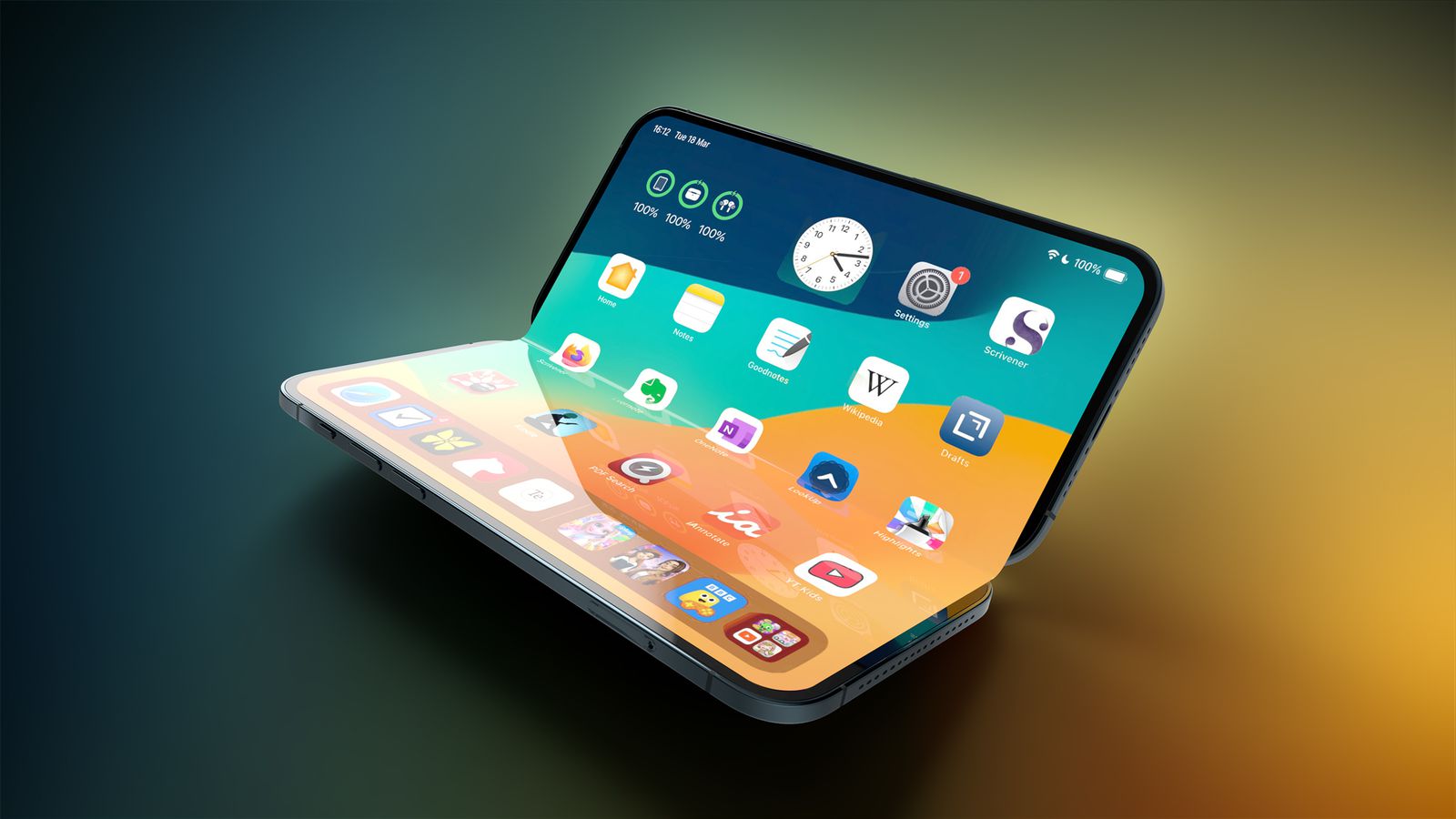
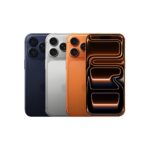
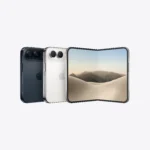
Apple’s first foldable iPhone is starting to sound less like a distant rumour and more like a product Apple is preparing to put in front of buyers. The more interesting question is whether the compromises will be worth it.
Recent reporting around the expected foldable, often described as the iPhone Fold or iPhone Ultra, points to a book-style device that opens into a small tablet-like screen while still fitting into a pocket. What Hi-Fi’s latest roundup puts the rumoured design around a 5.5-inch external display and a 7.8-inch internal display, with pricing expectations in the $2,000 to $2,500 range.
That is the promise: an iPhone that can become something close to an iPad mini when opened. For reading, editing photos, watching video, reviewing documents, gaming, multitasking and using the camera as a large viewfinder, that could be genuinely useful.
But the trade-offs are becoming just as important as the headline feature. Several reports suggest Apple’s first foldable may rely on Touch ID instead of Face ID, partly because of space and thickness constraints. It may also come without a telephoto lens, which would be a surprising omission for a device expected to sit above the Pro line in price.
That creates a tricky product question. Apple has trained premium iPhone buyers to expect the best cameras, the best biometric convenience and the least compromise. A foldable iPhone that costs more than an iPhone Pro Max but lacks telephoto zoom or Face ID will have to make the folding experience feel special enough to justify the loss.
Apple may still have an advantage that Samsung, Google and others have not fully matched: ecosystem polish. If iOS 27 gives the foldable strong app layouts, reliable continuity between the cover and inner display, better multitasking and camera experiences that feel natural, Apple can make the product feel more finished than earlier foldables.
The risk is that the device becomes impressive but niche. Foldables have improved, but they remain expensive and still ask users to accept thickness, durability concerns, app-layout quirks and a different way of using a phone. Apple usually waits until it believes a category is ready for a broader audience, but foldables are still not mainstream.
This also fits Apple’s larger AI and device reset. The company is trying to make Apple Intelligence matter across phones, Macs and wearables, while also rethinking Siri and future hardware. We wrote recently about Apple’s reported Siri and Vision Pro reset. A foldable iPhone would be another way to change the interface around AI, not just the screen size.
If Apple gets this right, the foldable iPhone could become the premium device for people who want one Apple product to cover phone, small tablet and AI assistant workflows. If it gets it wrong, it may become an expensive curiosity for early adopters.
The foldable iPhone now feels real enough to take seriously. But the real test will not be whether Apple can build a beautiful folding phone. It will be whether Apple can make the compromises feel smaller than the new possibilities.
Related Reading
More contextual TechBooky stories selected from tags, categories and article context.
Paul Balo is the founder of TechBooky and a highly skilled wireless communications professional with a strong background in cloud computing, offering extensive experience in designing, implementing, and managing wireless communication systems.
We use cookies to ensure that we give you the best experience on our website. If you continue to use this site we will assume that you are happy with it.