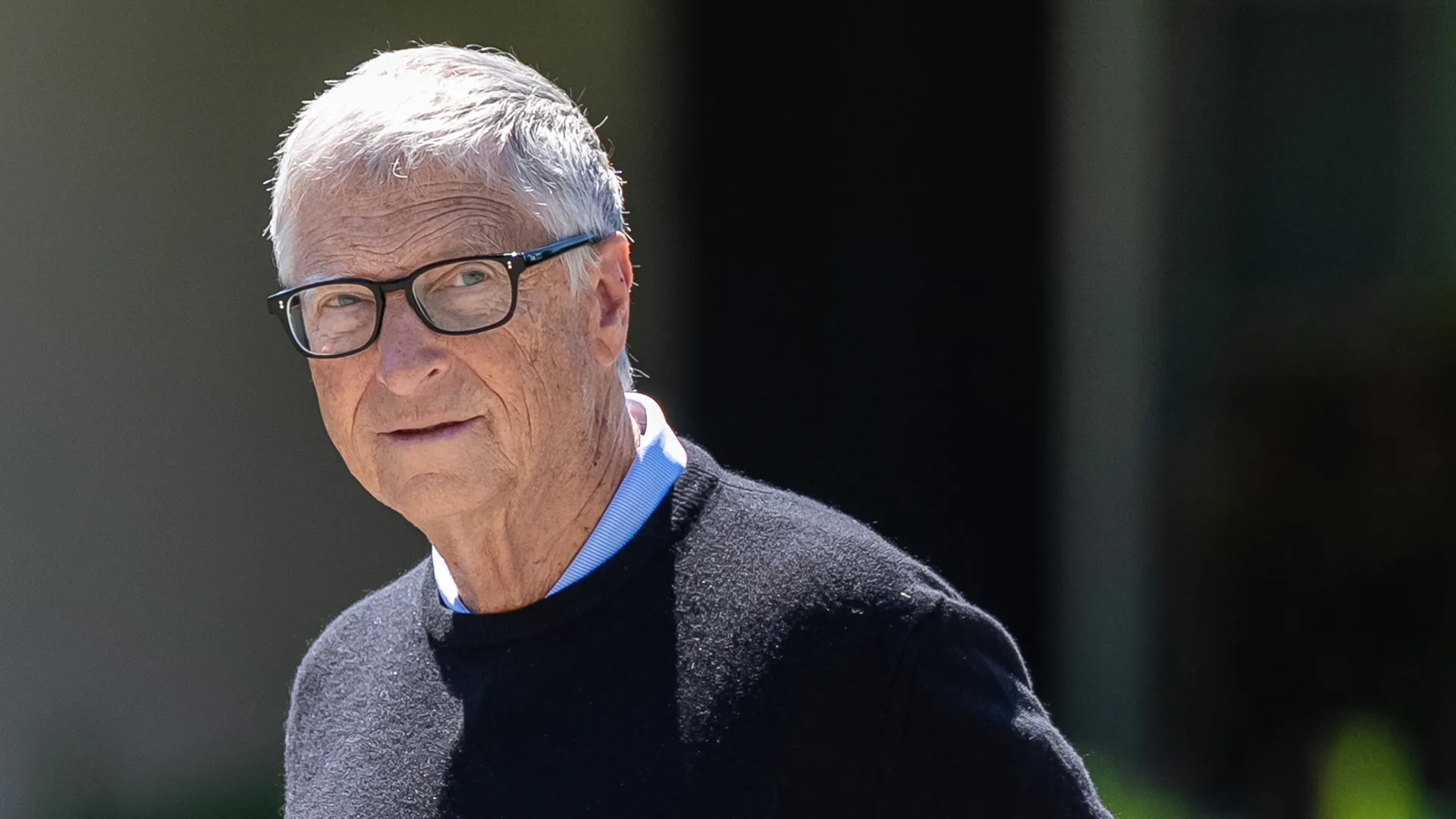
Bill Gates has urged governments to take a firmer hand in artificial intelligence, arguing that the companies building the most powerful systems cannot be left to decide on their own what counts as safe. The warning is not a call to abandon AI. It is a reminder that a technology with enormous benefits can also create risks that no single laboratory can manage in private.
In an interview with NBC’s Meet the Press, Gates said lawmakers need to be involved in setting the rules. He pointed to the danger of powerful AI tools reaching malicious actors and described an extreme scenario in which misuse could cause mass casualties. That is a warning about what could happen, not a forecast that such an event is imminent or inevitable.
The distinction matters. AI can help researchers find medicines, make education more accessible and improve productivity. Gates has long supported those possibilities. His concern is that the same capabilities can lower the cost of harmful activity as models become more capable and easier to deploy. A company’s internal safeguards may be useful, but they cannot substitute for public accountability when the potential consequences reach far beyond its customers.
A serious regulatory response would need to be more precise than a blanket demand to slow everything down. Governments could require independent testing before the most capable models are released, clear reporting when systems fail, and practical security standards for access to dangerous capabilities. Rules should also distinguish frontier systems from smaller tools that pose far less risk, or they may entrench the largest companies while doing little to improve safety.
The debate is already dividing technology leaders. Nvidia chief Jensen Huang has argued that AI safety should largely remain with builders. Gates’s position puts greater weight on the public’s right to know what has been tested, what can go wrong and who is responsible when safeguards fail. Neither side can avoid the difficult question of enforcement across borders.
His comments arrive as governments and companies look for ways to coordinate when dangerous capabilities emerge. One proposal has been an emergency alert channel between the US and China. Such mechanisms would not replace regulation, but they underline how quickly an AI incident could become an international problem.
The practical test now is whether policymakers can write rules that are strong enough to matter and flexible enough to keep pace with the technology. Gates is asking them to start before a crisis makes the choice for them. The debate should be about measurable safeguards, not whether to be blindly optimistic or afraid.
Related Reading
More contextual TechBooky stories selected from tags, categories and article context.
Paul Balo is the founder of TechBooky and a highly skilled wireless communications professional with a strong background in cloud computing, offering extensive experience in designing, implementing, and managing wireless communication systems.
We use cookies to ensure that we give you the best experience on our website. If you continue to use this site we will assume that you are happy with it.