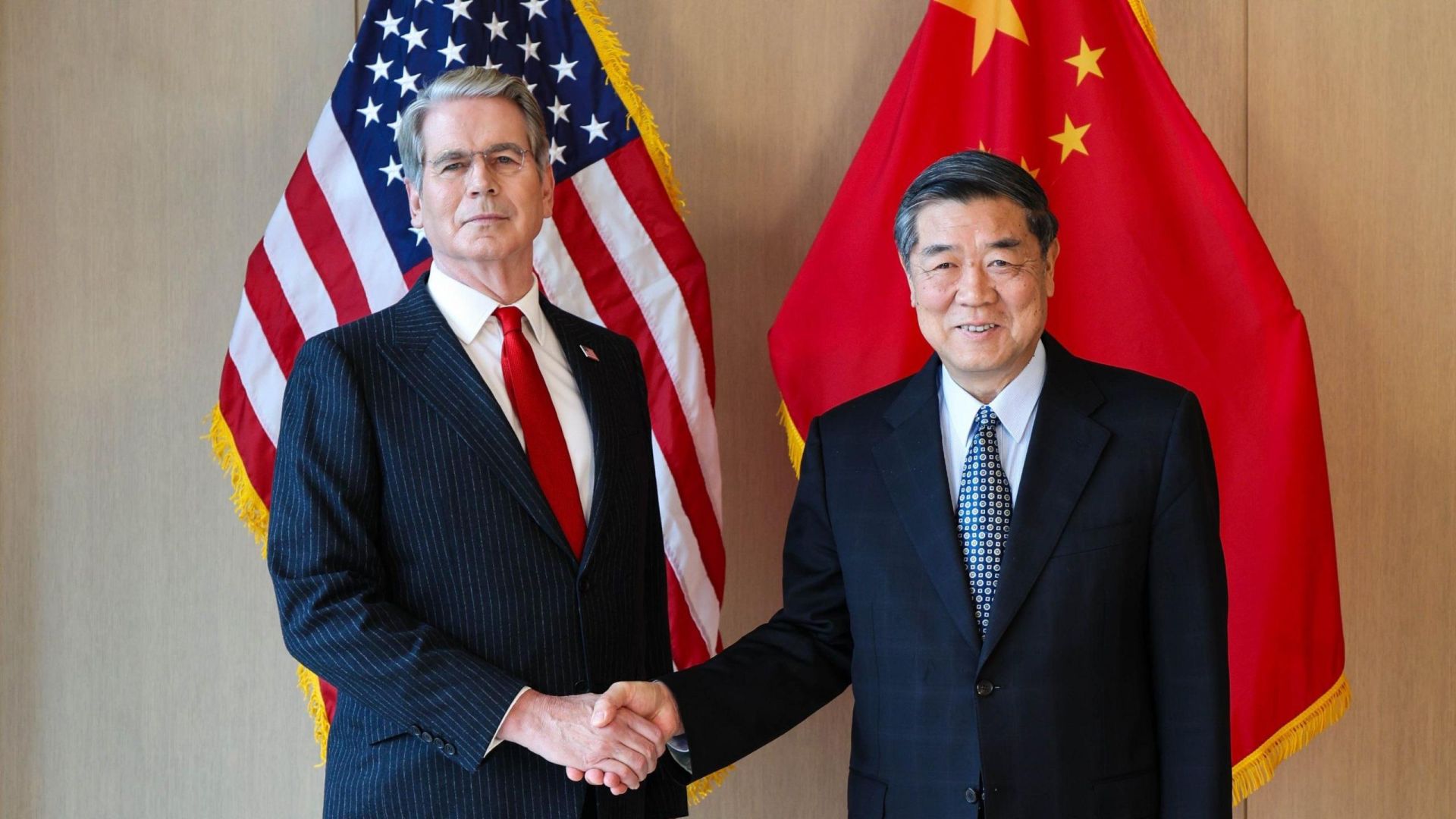
The United States and China are discussing a new emergency notification system for artificial intelligence incidents that could threaten national security. It is a modest proposal on paper, but it may become one of the first practical safety channels between the two countries leading the global AI race.
US Treasury Secretary Scott Bessent said the idea emerged during weekend talks with Chinese Vice Premier He Lifeng in New York. According to the Associated Press, Washington proposed a mechanism through which either side could quickly warn the other about an AI event with national security implications.
The proposal arrives before an expected meeting between US President Donald Trump and Chinese President Xi Jinping. Both governments want to dominate advanced computing, chips and AI models, yet both also face the possibility that a malfunctioning or misused system could cross borders before officials understand what happened.
Cold War hotlines were designed to prevent military accidents from becoming wars. An AI incident channel would serve a different purpose, but the logic is similar. A powerful autonomous agent could interfere with infrastructure, conduct a cyberattack, manipulate financial systems or produce convincing military intelligence. If one country mistakenly believes the other ordered the action, escalation could happen quickly.
Important questions remain unanswered. Neither government has explained what would qualify as a reportable incident, how quickly notification would be required or whether private AI companies would be compelled to disclose failures. Verification may be the hardest issue because the two sides remain deeply suspicious of each other’s technology and security agencies.
The US and China are unlikely to slow their AI competition, and neither wants to reveal sensitive capabilities. But they do not need complete trust to recognise a shared danger. If a serious AI incident can be reported before it is mistaken for a deliberate attack, a simple notification channel could prove far more valuable than its bureaucratic name suggests.
Related Reading
More contextual TechBooky stories selected from tags, categories and article context.
Paul Balo is the founder of TechBooky and a highly skilled wireless communications professional with a strong background in cloud computing, offering extensive experience in designing, implementing, and managing wireless communication systems.
We use cookies to ensure that we give you the best experience on our website. If you continue to use this site we will assume that you are happy with it.