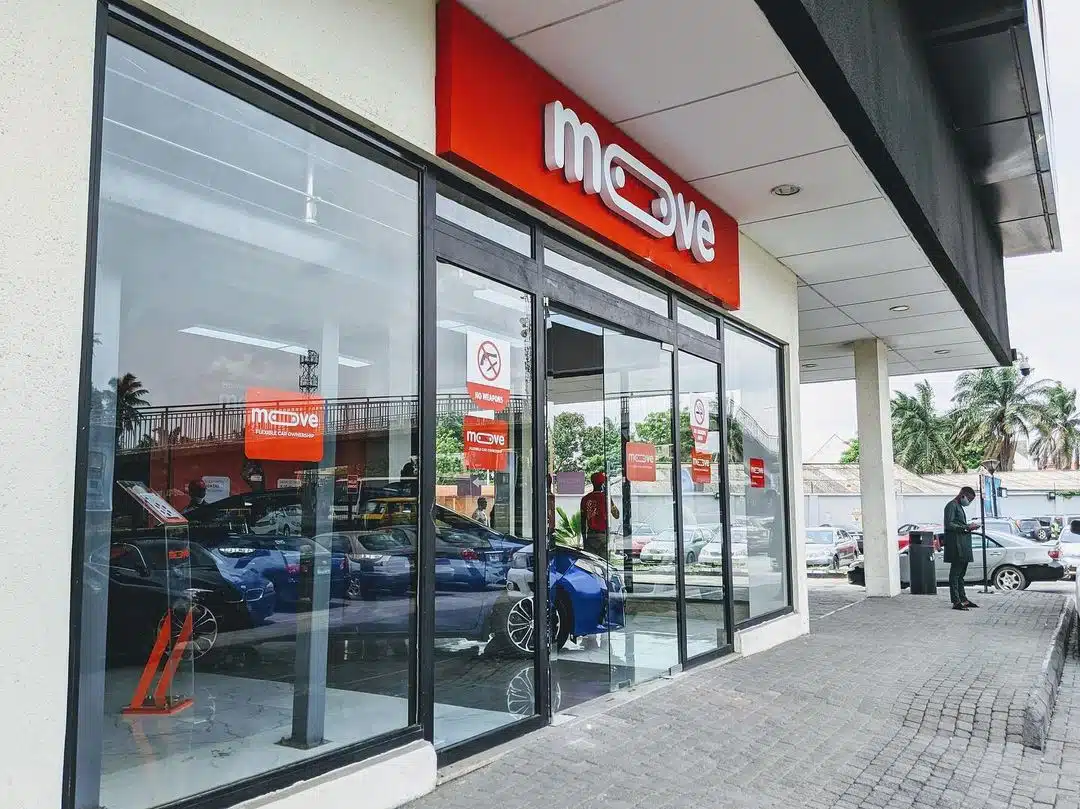
Moove has raised $250 million at a $2.1 billion valuation, turning what began as a Lagos-born mobility-financing company into one of the more important African-linked players in the global robotaxi race.
The company announced the Series C round on August 5, saying it was led by Mubadala Investment Company and co-led by Woven Capital, Toyota growth fund, and Ion Pacific. BlueCrest Capital Management, Sona Asset Management and The Raptor Group joined as new investors, while existing backers including BlackRock, MUFG, Franklin Templeton and Uber also participated.
The capital is not just for more ride-hailing vehicles. Moove is now building itself around the operating layer for autonomous mobility. That means financing, managing and eventually owning fleets that can serve robotaxi networks at scale. It is a useful shift because the robotaxi industry does not only need self-driving software. It needs companies that can handle charging, maintenance, cleaning, depots, uptime, utilisation and local operations.
Moove is already the fleet operator for Waymo in Phoenix, Miami and Las Vegas, with London expected in the future. Moove does not currently own those Waymo vehicles, but CEO Ladi Delano said the company plans to use debt financing to buy robotaxis over time.
That is a major change in ambition. Moove started by helping mobility drivers access vehicle financing in markets where traditional credit did not work well enough for gig-economy workers. It then expanded across geographies and vehicle types. Now it is trying to become infrastructure for a transportation future where the driver may not be in the car at all.
The robotaxi market is moving quickly. Uber has been positioning itself as the demand layer for autonomous vehicles, Waymo is expanding paid services, Zoox is preparing to charge riders in Las Vegas, and Tesla keeps pushing its own autonomy story. We recently wrote about Uber strong quarter and robotaxi pressure, and Moove now sits directly inside that same market shift.
Moove says part of the new capital will support automated depots it calls nests, where vehicles can be charged, maintained and serviced around the clock with more robotics and less manual friction. That may sound like a background operational detail, but it could become one of the hard problems in robotaxis. A self-driving vehicle fleet is only useful if the cars are clean, charged, repaired and available when demand spikes.
The Africa angle should not be missed. Moove is Africa-born, but this funding round shows that African-founded companies can move into global infrastructure markets if the model travels. This is not another local fintech raising money to grow app users. It is a company with African roots trying to sit inside the future of autonomous mobility in the US, Europe and beyond.
There are still execution risks. Robotaxi economics remain uncertain, regulation differs across cities, and owning autonomous vehicles will be more capital intensive than operating partner fleets. Debt financing can help Moove scale, but it also raises exposure if utilisation, pricing or maintenance costs disappoint.
Still, the round is important. It shows that the robotaxi market is creating new infrastructure categories, and Moove wants to own one of them. The company may no longer be best understood as a mobility fintech. It is becoming a fleet-infrastructure company for an autonomous transport market that is finally moving from pilot to commercial deployment.
Related Reading
More contextual TechBooky stories selected from tags, categories and article context.
Paul Balo is the founder of TechBooky and a highly skilled wireless communications professional with a strong background in cloud computing, offering extensive experience in designing, implementing, and managing wireless communication systems.
We use cookies to ensure that we give you the best experience on our website. If you continue to use this site we will assume that you are happy with it.