California has opened its highways to a new phase of autonomous trucking, and the implications go well beyond a few test vehicles on the road.
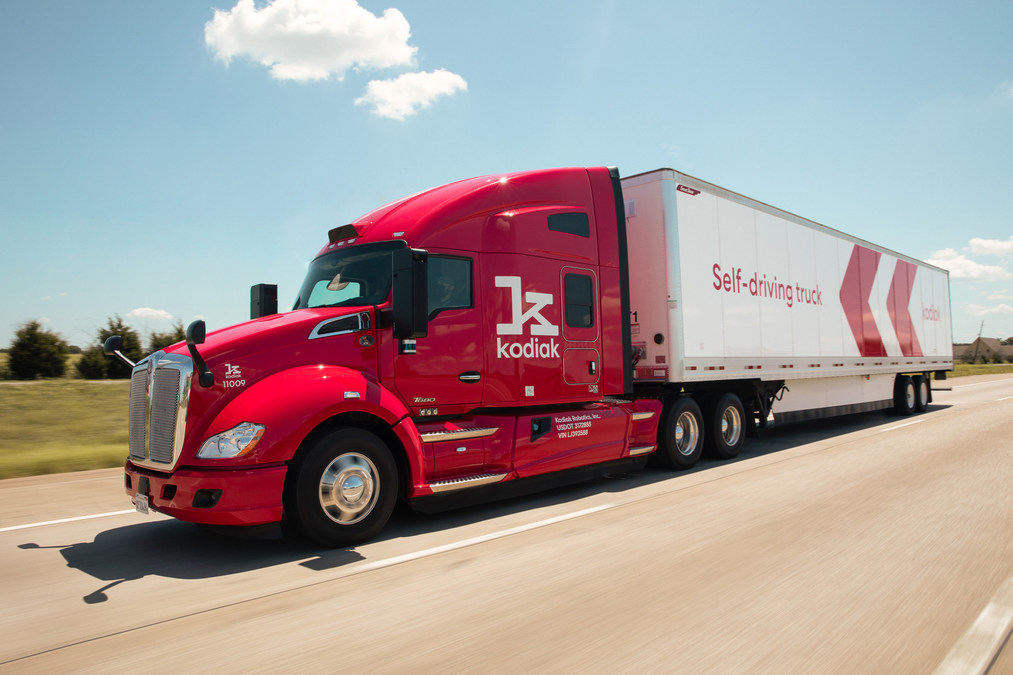
Aurora Innovation and Kodiak AI have received permits from the California Department of Motor Vehicles to test autonomous heavy-duty trucks on public roads, according to TechCrunch. The move follows the DMV’s updated rules, announced in April, which allow manufacturers to apply for permits to test and eventually deploy heavy-duty autonomous vehicle technology in the state.
The DMV’s April announcement said the new regulations strengthen oversight while authorizing trucks and transit vehicles under a phased system. Its permit-holder page now lists both Aurora Operations and Kodiak AI among companies allowed to test autonomous vehicles with a driver.
Kodiak separately confirmed that it received a heavy-duty commercial autonomous vehicle testing permit on August 13. The company’s announcement says the permit allows it to test autonomous trucks in California with a human safety driver behind the wheel.
That safety-driver condition is important. This is not yet a fully driverless freight rollout across California. It is a controlled testing phase, and the permits include restrictions. TechCrunch reports that the trucks cannot operate on roads with posted speed limits of 25 miles per hour or lower unless they are following a direct route between destinations. In plain language, this is mainly about highways and freight corridors, not local streets.
The reason the story matters is that trucking is one of the most economically tempting areas for autonomy. Long-haul routes can be repetitive, freight demand is large and driver shortages have been a recurring industry issue. If autonomous trucks can operate safely for long highway stretches, logistics companies could eventually lower costs and increase uptime.
But that is also why the issue is politically charged. Labour groups have long warned that autonomous trucking could threaten driving jobs, while safety advocates want stronger proof that large self-driving vehicles can handle real road conditions. A robotaxi stopping awkwardly in a city is one kind of problem. A heavy truck making the wrong decision at highway speed is another.
This connects to the wider transport automation push. We have been following robotaxi expansion through stories such as Moove’s robotaxi infrastructure funding and Lyft and Baidu’s London robotaxi plans. Trucks are a different market, but the same questions apply: who regulates the technology, who carries liability and how quickly should roads be opened?
California’s decision is especially symbolic because the state has often been both a testing ground and a battleground for autonomous vehicles. Companies want access to its roads, talent and logistics networks. Regulators want innovation without turning public highways into uncontrolled experiments.
For now, Aurora and Kodiak have permission to test, not a blank cheque to replace human drivers. But the direction is clear. Autonomous trucking is moving from private tracks and limited routes into more visible public-road testing. The next phase will be judged not by press releases, but by safety records, regulator confidence and whether the freight industry sees enough value to keep pushing.
Related Reading
More contextual TechBooky stories selected from tags, categories and article context.
Paul Balo is the founder of TechBooky and a highly skilled wireless communications professional with a strong background in cloud computing, offering extensive experience in designing, implementing, and managing wireless communication systems.
We use cookies to ensure that we give you the best experience on our website. If you continue to use this site we will assume that you are happy with it.