Waymo has cleared another regulatory hurdle in California, and the robotaxi story is beginning to look less like a Silicon Valley experiment and more like a regulated transport business.
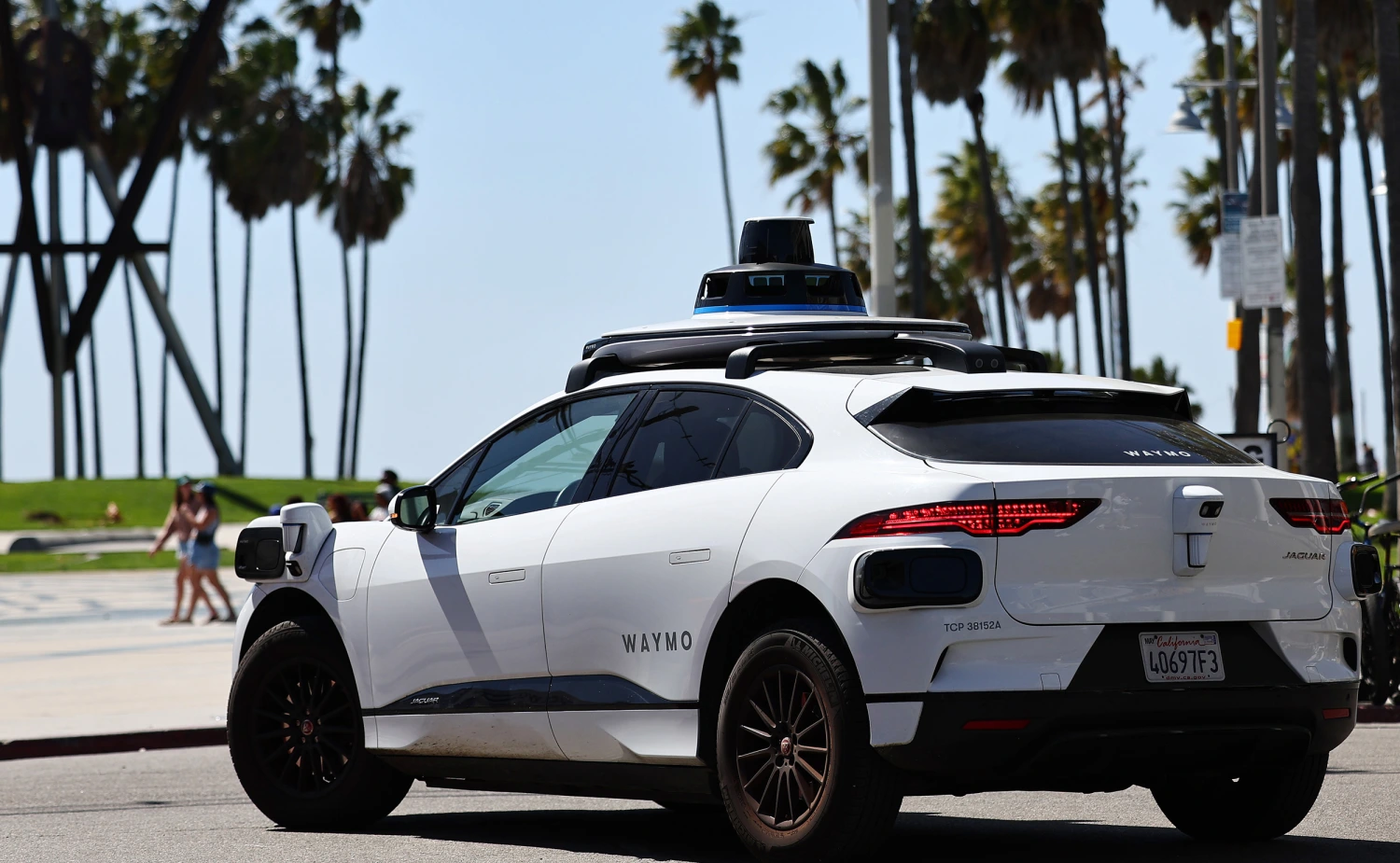
The Alphabet-owned company has received approval from the California Public Utilities Commission to expand autonomous ride-hailing service across more of the state. The CPUC’s driverless deployment status page, updated on August 14, lists Waymo among approved operators, while Waymo has said the approval allows it to bring service to Sacramento and San Diego and expand across the Bay Area and Los Angeles.
The expansion will not happen everywhere overnight. Waymo says the rollout will be gradual and guided by its safety framework. That matters because robotaxis are still deeply local. A service that works in one part of San Francisco does not automatically translate to every road, neighbourhood, airport route or suburban environment in California.
Still, the approval is important. California is one of the most watched markets for autonomous driving. It is also one of the most politically sensitive, especially after earlier robotaxi incidents and public debates around safety, emergency response and city oversight. For Waymo to keep expanding there, it has to win not just technical tests but regulatory patience.
Engadget reports that the approval should let Waymo offer rides in Sacramento and San Diego for the first time, while expanding its fleet across more of the San Francisco Bay Area and Los Angeles. That gives Waymo a broader California footprint at a time when robotaxi competition is getting louder.
Uber is partnering with autonomous vehicle companies instead of rebuilding its own self-driving unit. Tesla is pushing its own robotaxi ambitions. Zoox is moving toward paid driverless rides. We recently wrote about why robotaxis are becoming a bigger part of Uber’s investor story, and Waymo’s California expansion shows why everyone is watching the space.
The business case is straightforward but hard to execute. If robotaxis can operate safely, reliably and with high utilization, they could change ride-hailing economics. Human drivers are the largest cost in the traditional model. Remove the driver and the operator has to replace that human labour with vehicles, sensors, insurance, maintenance, remote assistance, mapping, fleet operations and regulatory compliance.
That is why approval alone is not victory. The real test is whether Waymo can scale rides without losing public trust. Cities will watch how the cars behave around cyclists, pedestrians, construction zones, emergency vehicles and unusual road conditions. Riders will care about price, wait time, comfort and whether the experience feels normal rather than experimental.
For Alphabet, Waymo remains one of the clearest examples of long-term AI and robotics investment moving into the real world. The company spent years absorbing losses while the technology matured. Now the question is whether that patience turns into a transport network with real revenue potential.
California’s approval does not mean the robotaxi future has arrived everywhere. It does mean the commercial map is expanding. Waymo is no longer only proving that driverless rides can happen. It is now trying to prove they can become an ordinary part of city mobility, one market at a time.
Related Reading
More contextual TechBooky stories selected from tags, categories and article context.
Paul Balo is the founder of TechBooky and a highly skilled wireless communications professional with a strong background in cloud computing, offering extensive experience in designing, implementing, and managing wireless communication systems.
We use cookies to ensure that we give you the best experience on our website. If you continue to use this site we will assume that you are happy with it.