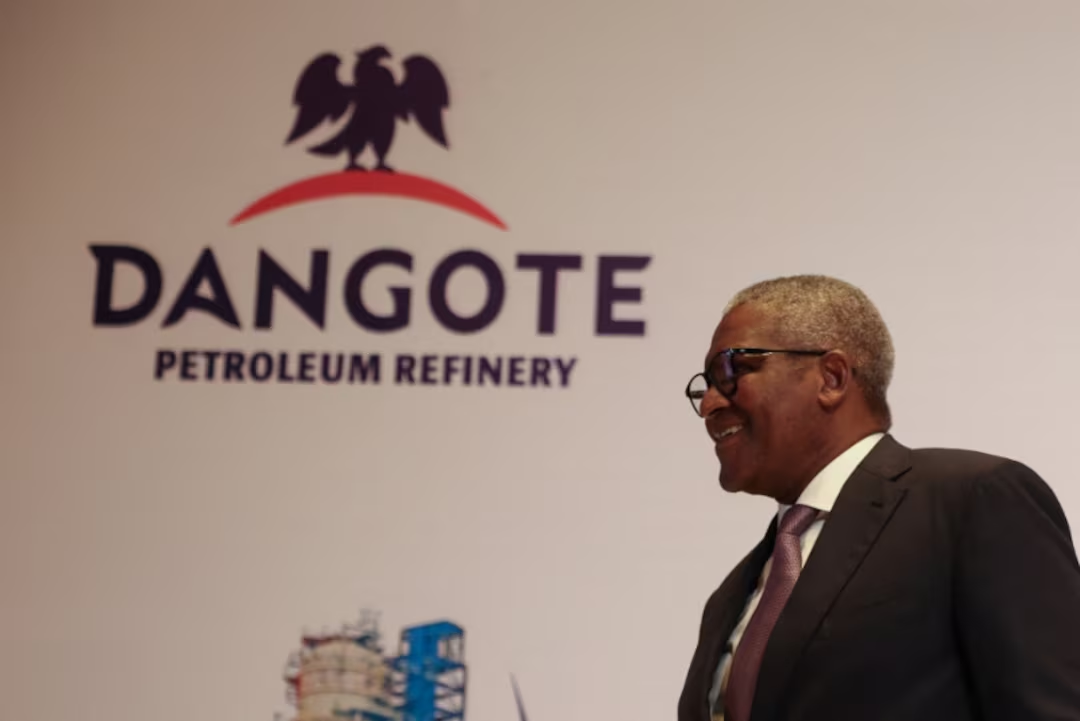
Dangote Refinery says its share offer has attracted subscriptions from more than 90 countries, including 51 African countries. If those figures hold through final allotment, the IPO is more than a test of investor appetite for a vast industrial project. It is also a test of whether Africa can make cross-border investing simple enough for people and institutions far beyond one national stock market.
The figures were reported on October 19 by BusinessDay, citing the company. They refer to the geographic reach of subscriptions, not completed allotments or a published country-by-country breakdown of cash raised. Dangote has not shown that every overseas investor used a mobile app. The important technology story is how identity checks, payments, custody and investor records must work together when a large African offer crosses so many borders.
The refinery’s official offer extension lists 4.1 billion shares at N525 each and moves the closing date to October 27. It describes routes through participating institutions and distribution channels. Demand is not the same thing as final allocation: applications can be rejected, scaled back or delayed while the offer is processed. Investors should use the official prospectus and licensed intermediaries rather than social-media links or promises of guaranteed shares.
BusinessDay said the company had worked with partners in markets including Botswana, Egypt, Ethiopia and Kenya. That is a meaningful sign of distribution ambition, but the public figures alone do not tell us how many retail investors versus institutions participated, what proportion came from each country, or how quickly international applicants can settle and receive proof of ownership. Those are the details that would show whether this is a replicable African capital-market model.
A cross-border share purchase has several steps that can fail even when a payment goes through. The buyer must pass identity and anti-money-laundering checks, transfer funds through an authorised channel, receive an allocation and have the shares recorded in a recognised custody system. Currency conversion, fees, local rules and access to investor statements can make a seemingly simple app journey much harder across borders.
For Nigerian readers, TechBooky has already explained the domestic mobile-banking routes for the Dangote offer. The international story is different. An interface that works for a customer at home does not automatically solve settlement and legal requirements for a buyer elsewhere in Africa. The technology is valuable when it makes the underlying process traceable and reliable, not merely when it puts a Buy button on a screen.
African companies have long faced fragmented exchanges, payment systems and investor rules. A high-profile offer spanning dozens of countries could create pressure for interoperable identity, digital brokerage and clearer cross-border custody. It could also expose where current rails remain slow, costly or opaque. Both outcomes would be useful evidence for regulators and fintech firms seeking to widen participation in African public markets.
The next figures to watch are final subscriptions, valid applications, allotments, the retail-institutional split and the actual country distribution. Clear reporting on failed applications, refunds and fees would be just as useful. For now, the 90-country claim is a company-reported indicator of reach, not proof that Africa already has a seamless continental investing system. The offer may become a case study in building one.
Related Reading
More contextual TechBooky stories selected from tags, categories and article context.
Paul Balo is the founder of TechBooky and a highly skilled wireless communications professional with a strong background in cloud computing, offering extensive experience in designing, implementing, and managing wireless communication systems.
We use cookies to ensure that we give you the best experience on our website. If you continue to use this site we will assume that you are happy with it.