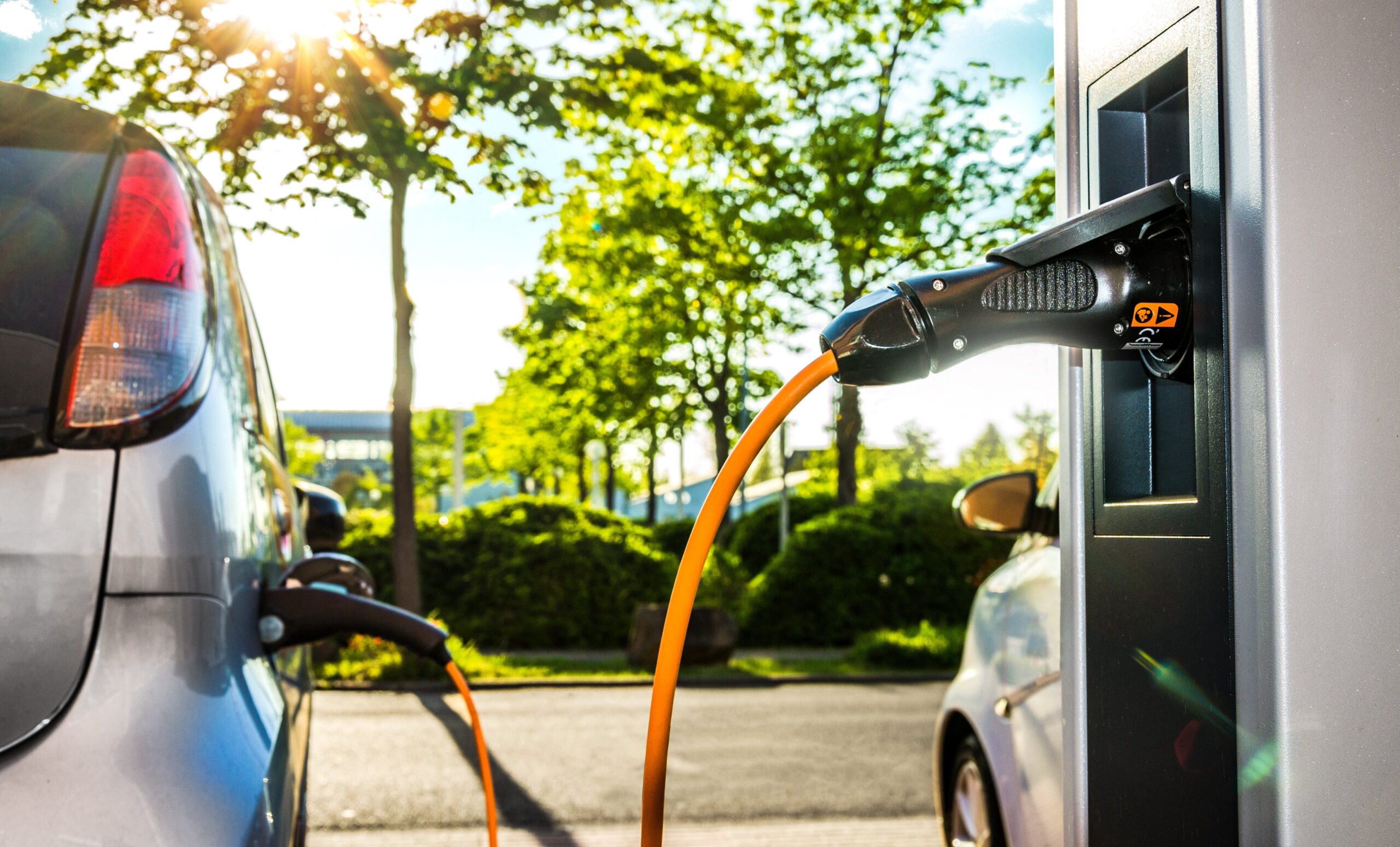
Nithio has launched FUEL, a pan-African debt fund targeting $150 million to finance electric-mobility companies. The announcement, made on October 14, is a financing plan rather than a claim that the full amount has been raised. Nithio says it is fundraising now and aims for a $100 million first close in 2027. The distinction matters in a sector where demand for electric vehicles is growing faster than affordable long-term credit.
According to Nithio’s announcement, FUEL expects to make senior secured loans of $2 million to $15 million. Its proposed borrowers include businesses financing electric motorcycles, charging, battery swapping and related fleet infrastructure. This is not a grant programme or a pot of $150 million that operators can draw on today. Investment depends on the fund reaching its fundraising milestones and borrowers meeting its terms.
Electric two-wheelers can offer lower operating costs than petrol bikes, but their upfront price and charging needs create a financing problem. A fleet company may have customers ready to ride yet lack the balance-sheet capacity to buy enough vehicles or batteries. Equity funding can help a young startup grow; it is often a costly way to finance a large, repeatable portfolio of physical assets. Debt tied to cash-generating vehicles could be a better fit once repayment patterns are proven.
The risk is real. Vehicle values can fall, batteries may need replacement sooner than forecast, and repayment depends on riders, routes and local energy prices. Lenders need to understand the performance of the assets rather than assume that every electric vehicle is automatically a safe green investment. TechBooky has followed Spiro’s electric-bike expansion, which illustrates the scale of capital required for fleets and battery systems.
Nithio says its underwriting tools draw on more than 100 million payment records across 19 markets. Such data may help a lender assess whether an operator’s customers can keep up with payments, where a fleet is likely to be used and how cash flow changes over time. It does not eliminate credit risk or substitute for examining a borrower’s contracts, vehicles and operating history. The fund’s eventual lending record will be a better test of the model than the size of the data set alone.
The company points to its existing FAIR facility, which it says has committed $55 million to 18 borrowers, as experience it can bring to FUEL. The new fund has a different focus on electric mobility. Its proposed loan sizes suggest a market beyond the earliest startup stage: operators that already have enough activity to take on secured borrowing and repay it from real fleet revenues.
For African electric-mobility firms, the key question is whether capital arrives on terms that match the life of a bike, battery or charging site. Loans that come due too quickly can strain an otherwise viable operator. Transparent rates, sensible collateral requirements and practical treatment of battery replacement would matter as much as the headline fund target.
The milestones to watch are the first close, actual amounts deployed, countries reached and performance of the financed fleets. If FUEL reaches those marks, it could show how data-driven lending supports cleaner transport at scale. Until then, $150 million remains an ambition, while the need for patient, asset-focused capital is already clear.
Related Reading
More contextual TechBooky stories selected from tags, categories and article context.
Paul Balo is the founder of TechBooky and a highly skilled wireless communications professional with a strong background in cloud computing, offering extensive experience in designing, implementing, and managing wireless communication systems.
We use cookies to ensure that we give you the best experience on our website. If you continue to use this site we will assume that you are happy with it.