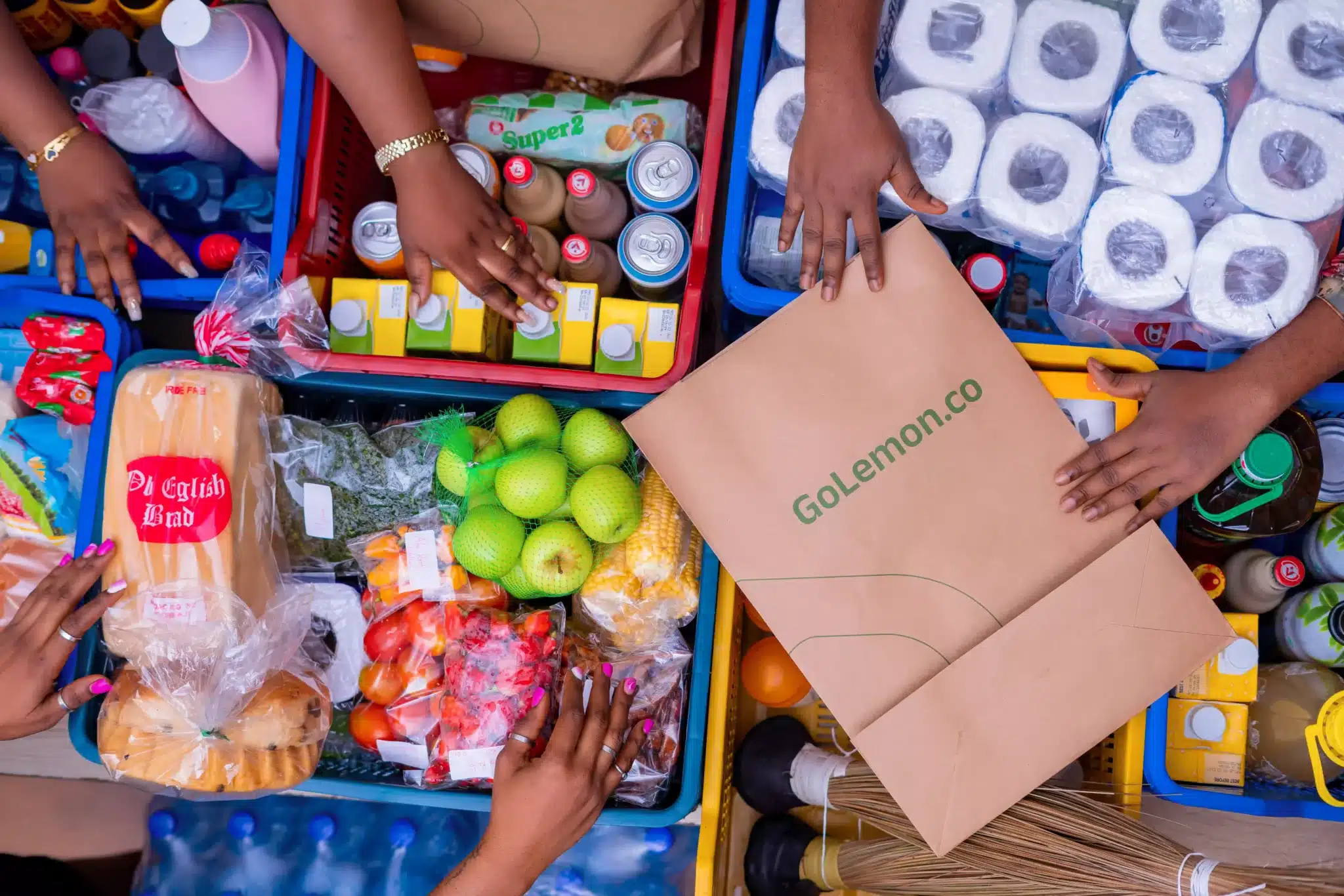
GoLemon has stopped accepting orders and is winding down its Lagos grocery business, another reminder that quick commerce in Nigeria remains much harder than the app experience makes it look. The startup says refunds have been settled, customer support will end on August 2 and it could not raise fresh capital in time to keep operating.
Techpoint Africa reports that GoLemon was founded by four former senior Paystack managers and launched in 2024 with a different bet from many grocery delivery rivals. Instead of simply reselling from supermarkets, it managed inventory and fulfilment centres, bought in bulk from farmers and FMCG manufacturers and tried to offer household goods below supermarket prices.
That model made sense on paper. Lagos households want convenience, predictable pricing and better quality control than open-market shopping can sometimes provide. Businesses also need regular grocery and essential-supply purchases without spending staff time on procurement. GoLemon tried to sit in that gap by making planned grocery shopping cheaper and less chaotic.
The problem is that grocery delivery is a brutal business. Margins are thin, logistics are expensive, inventory can spoil, customers are price-sensitive and delivery reliability is hard to maintain in a city like Lagos. A startup can have strong operators and still struggle if the unit economics do not improve quickly enough. GoLemon’s shutdown notice says it could not find a sustainable path forward within the time available.
The story is useful because it cuts through the usual optimism around African consumer internet. Nigeria has a huge market, but size does not automatically make a category easy. Food and grocery startups have to manage supply, warehouses, riders, payments, customer service, refunds and changing consumer behaviour at the same time. Even well-designed products can run out of time before the market becomes profitable enough.
There is also a funding lesson. Venture money is less forgiving now than it was a few years ago, and startups with operationally heavy models face more pressure to show a path to profitability. TechBooky’s recent look at Duplo and Wema Bank’s finance automation push shows one direction African fintech and business software companies are taking: lower-inventory, enterprise-facing tools with clearer recurring use. Grocery delivery sits on the other side of that equation, where physical operations can eat through capital quickly.
GoLemon’s closure does not mean online grocery is dead in Nigeria. It means the model still needs sharper economics, patient capital and probably more partnerships with retailers, FMCG suppliers and logistics networks. The demand is there. The hard part is delivering it profitably.
Related Reading
More contextual TechBooky stories selected from tags, categories and article context.
Paul Balo is the founder of TechBooky and a highly skilled wireless communications professional with a strong background in cloud computing, offering extensive experience in designing, implementing, and managing wireless communication systems.
We use cookies to ensure that we give you the best experience on our website. If you continue to use this site we will assume that you are happy with it.