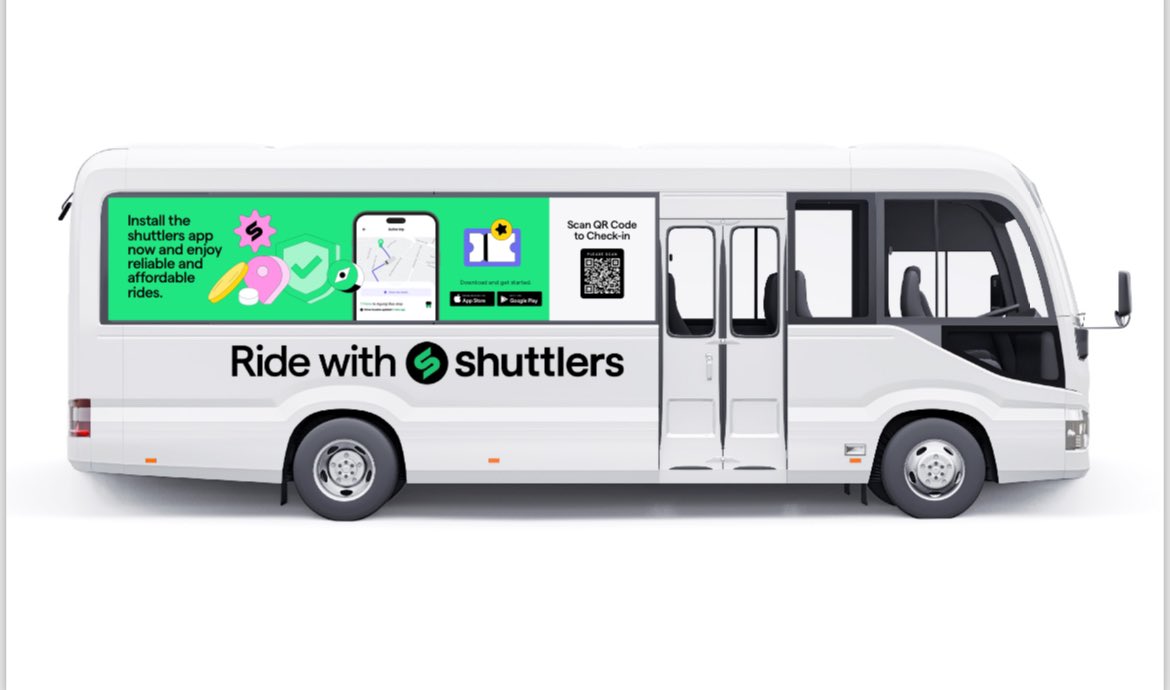
Lagos transport is entering another interesting phase. Shuttlers, already known for technology-enabled shared mobility, has launched Shuttlers Pod, a scheduled door-to-door shared car service for commuters moving around the city. The timing is what makes the story sharper because Nigeria’s ride-hailing market is being reshaped by high operating costs, fare pressure and Uber’s reported exit from the country.
The new service is positioned as a more predictable alternative to ordinary ride-hailing. Reports say Shuttlers Pod allows commuters to pre-book rides, match with other people going in a similar direction and pay fixed fares rather than deal with surge pricing. The company is directing interested users to a Pod waitlist, while fresh local coverage has framed the launch as part of a wider race for Lagos commuters.
This is not simply a new carpooling product. It is a response to a market that has become harder for both drivers and riders. Fuel, vehicle maintenance, inflation, currency pressure and platform commissions have all made urban mobility more expensive. If a commuter can get reliability without paying full private-car pricing every day, the proposition becomes easy to understand.
The Uber context matters, but the bigger story is local adaptation. Global ride-hailing was built around immediacy, private rides and dynamic pricing. Lagos often rewards a different model: predictable routes, shared costs, employer demand and scheduled movement around known traffic patterns. Shuttlers’ original bus model understood that. Pod appears to move the same logic into smaller vehicles.
That is why this connects with our recent look at why Uber’s exit gave Nigerian rivals better timing. The opportunity is not just to copy Uber with a local logo. It is to design around Nigerian commuting behaviour, pricing tolerance and the daily reality of moving through a city where time can disappear quickly.
There are still hard questions. Shared door-to-door rides need dense demand to work well. Matching people efficiently is difficult, especially when traffic is unpredictable and customers expect punctuality. Safety, driver quality, route planning and customer support will decide whether Pod becomes a serious commuting habit or just another experiment.
But the market opening is real. Lagos workers want options between crowded public transport and increasingly expensive private rides. Employers also have an incentive to support safer, more reliable commuting because transport stress affects productivity. If Shuttlers can make Pod feel dependable, the business could sit somewhere between ride-hailing, staff transport and subscription mobility.
African mobility startups have often struggled when they copy models built for richer markets. The more interesting companies are the ones that adjust the product to the city in front of them. Shuttlers Pod is worth watching because it accepts the basic Lagos truth: affordability, timing and predictability may matter more than pressing a button and getting the nearest car.
Related Reading
More contextual TechBooky stories selected from tags, categories and article context.
Paul Femi Balo is the founder and publisher of TechBooky. He covers artificial intelligence, African technology, digital infrastructure, enterprise technology and the global digital economy.
We use cookies to ensure that we give you the best experience on our website. If you continue to use this site we will assume that you are happy with it.