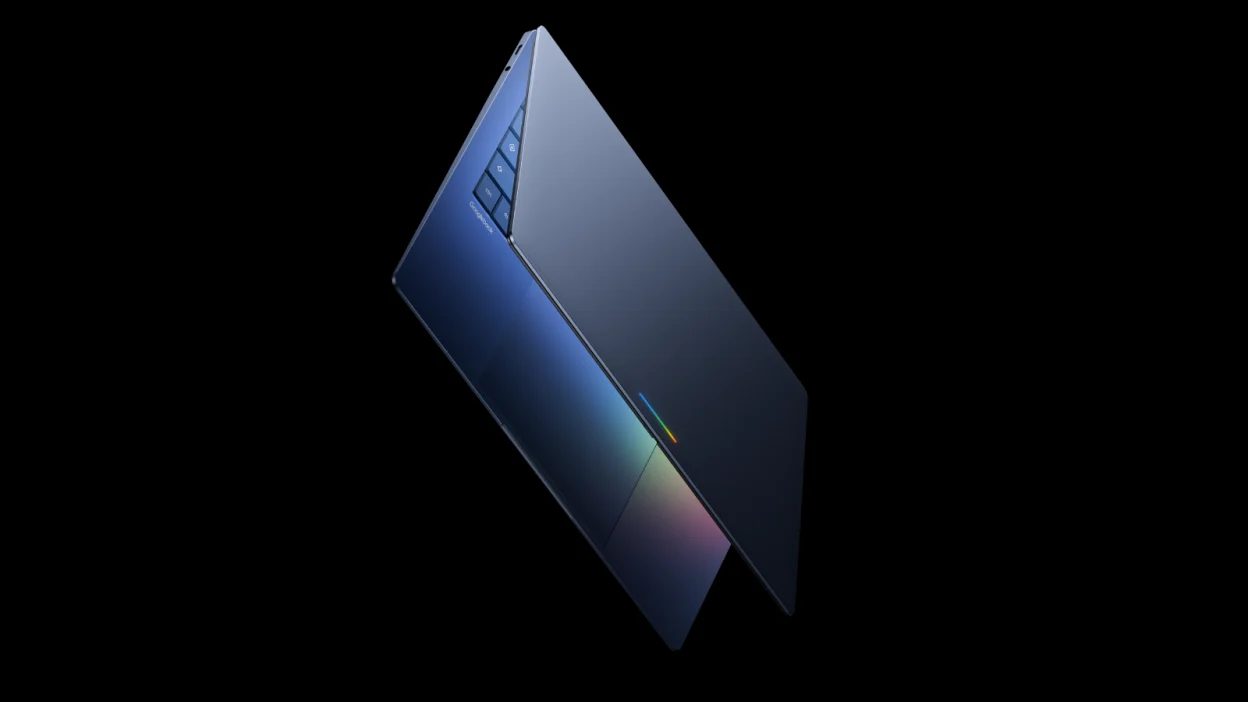
Google has officially opened preorders for Googlebook, a new premium laptop category designed to give Android users the kind of close phone-and-computer relationship Apple has spent years building around the iPhone and Mac.
The first wave includes devices from Acer, Asus, Dell, HP and Lenovo, with prices starting at $899 and reaching $1,299 for some models. Preorders are open through the Google Store, Best Buy and selected retailers. The laptops reach stores on October 4 in the United States and October 5 in Canada, the United Kingdom, Ireland, France, Germany and Australia, according to Google’s launch announcement.
Google first previewed the platform in May, but the commercial launch now gives the idea real shape. Googlebook is not a renamed Chromebook and Google says it is not replacing Chromebooks. It is a flagship class of machines built on Android technology with desktop foundations inherited from ChromeOS. The combination gives users native Android apps from Google Play, a full desktop Chrome browser with extensions and a Linux environment for development work.
That makes Googlebook one of Google’s most ambitious attempts to rethink the personal computer since Chromebook arrived more than 15 years ago. The company is betting that the next laptop battle will be decided less by operating-system branding and more by artificial intelligence, continuity between devices and whether a computer can understand what the user is doing.
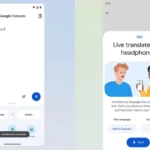
The headline feature is Gemini Intelligence, Google’s name for AI that is built directly into the laptop experience. Magic Pointer can interpret text, images and on-screen context after the user wiggles the cursor or activates a shortcut. Instead of copying information into a chatbot, users can point at what they are already working on and ask Gemini to compare, explain or transform it.
Rambler brings Gemini-powered dictation to the computer. It is designed to turn an untidy stream of speech into organised notes, correct errors and extract action items. Google has been pushing this idea across Android, including through Rambler’s arrival in Gboard, but a laptop gives the feature a more natural place in meetings, writing and longer work sessions.
Create My Widget lets users describe a widget they want without writing code. Someone could ask for a live sports tracker, a travel countdown or a personal dashboard and place the result directly on the desktop. Google Antigravity is also included for people who want to build more serious applications, while developers retain access to Linux tools and coding agents.
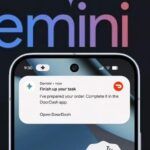
Google is also leaning heavily on Android phone integration. Cast My Apps can open supported phone apps on the laptop without a separate installation, while Quick Access makes files on a connected phone visible from the laptop’s file manager. These features build on the promise outlined when Googlebooks were first unveiled earlier this year.
The hardware is deliberately premium. Partner machines use high-end Intel and Qualcomm processors, OLED displays and lightweight materials. HP’s 14-inch model, for example, pairs a Snapdragon X Elite chip with a 3K OLED touchscreen, a 5MP camera and a thin recycled-metal body. Dell’s XPS Googlebook uses the same processor family, a 2.5K touch display and claims up to 16 hours of video playback.
Every Googlebook includes 12 months of Google AI Pro with 5TB of cloud storage, alongside shorter trials for services including YouTube Premium and Adobe Photoshop. Google is promising regular feature drops and software updates for up to 10 years.
The $899 starting price places Googlebook below the current $1,299 entry point cited for Apple’s MacBook Air, but far above the inexpensive Chromebook image many buyers still associate with Google laptops. That is intentional. Google is trying to create a premium Android computer rather than another low-cost browser machine.
The difficult part will be proving that Gemini features are useful after the demonstrations end. Buyers will judge Googlebook on battery life, app quality, offline behaviour, reliability and whether Android software feels natural with a keyboard and trackpad. They will also want to know how much of the promised intelligence remains useful when a Google AI Pro subscription expires.
Still, Googlebook gives the Windows and Mac market a genuinely different proposition. It joins Android’s enormous app ecosystem to desktop Chrome, Linux tools and an AI layer that can see the work in front of the user. If Google and its hardware partners execute well, the Android phone may finally have a laptop designed to feel like its proper companion.
Related Reading
More contextual TechBooky stories selected from tags, categories and article context.
Paul Balo is the founder of TechBooky and a highly skilled wireless communications professional with a strong background in cloud computing, offering extensive experience in designing, implementing, and managing wireless communication systems.
We use cookies to ensure that we give you the best experience on our website. If you continue to use this site we will assume that you are happy with it.