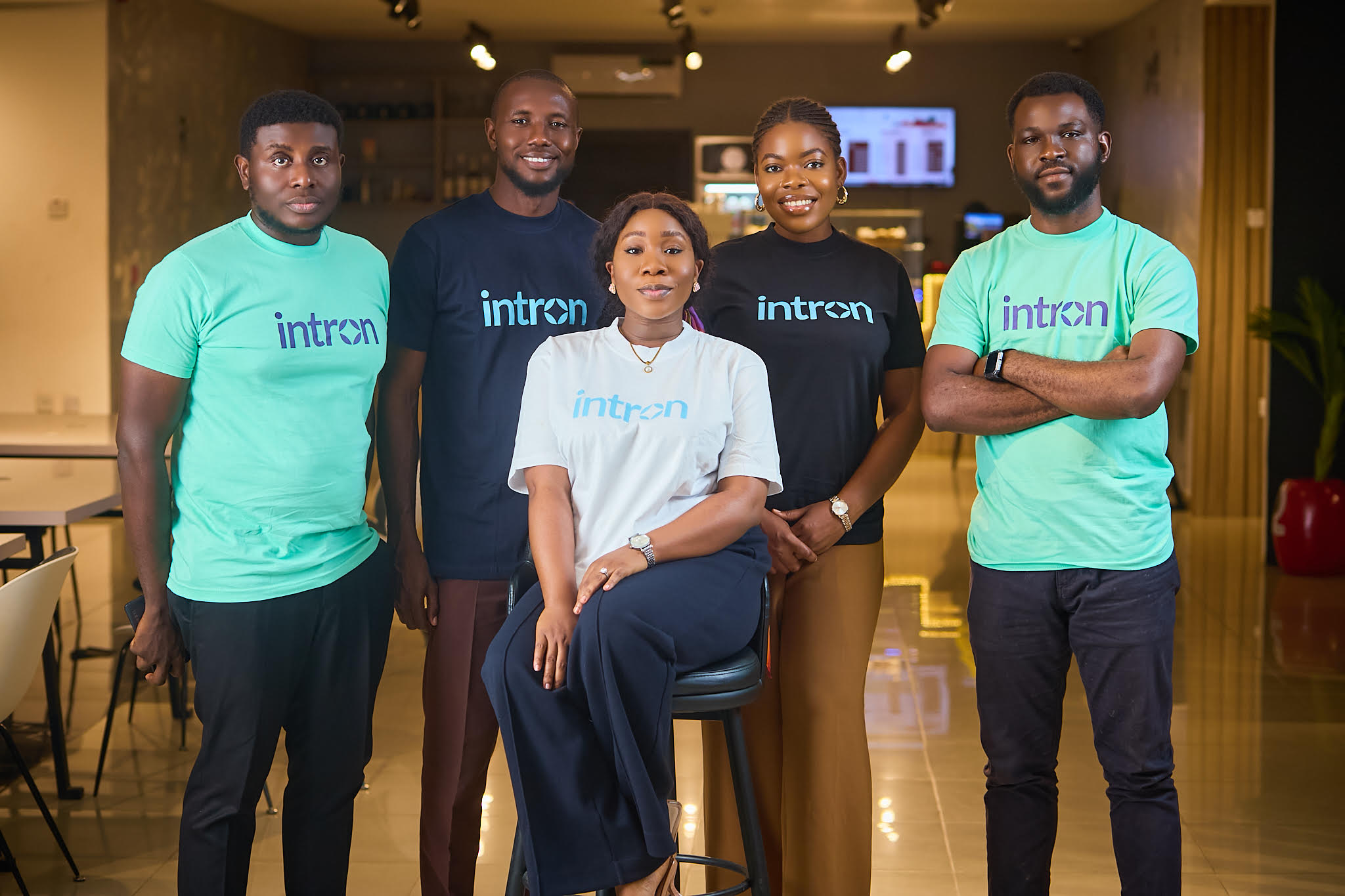
Voice AI often struggles with the way Africans actually speak. Intron’s Sahara v2.5 is trying to fix that problem from the inside.
The Nigerian voice technology startup says Sahara v2.5 supports bilingual language mixing across 12 African languages, expanding beyond the Swahili-English support in Sahara v2. The model is built for the way people switch between English, Hausa, Yoruba, Swahili, Zulu, Luganda and other languages within the same sentence or conversation.
That sounds like a small technical detail until you understand how common code-switching is across African cities. A doctor may speak English, Pidgin and a local language in one consultation. A banker may move between English and Yoruba with a customer. A trader may switch between Hausa and English without pausing. Global voice models often treat this as noise. Intron is treating it as the product.
The company says Sahara v2.5 is its first broad bilingual language-mixing release and that it also includes African voice-generation capability. Reports from African startup sources say the model covers languages including Zulu, Hausa, Swahili and Luganda, and that Intron has also introduced a trilingual speech-recognition model for Kinyarwanda, English and French.
The healthcare use case is especially important. Intron has worked with hospitals and clinics where doctors need fast speech-to-text tools that understand local accents, medical terms and mixed-language consultations. In markets with heavy paperwork and limited clinician time, better transcription can become a practical productivity tool, not just an AI demo.
There is a bigger AI inclusion story here. Many global models perform well in English, French, Spanish and other highly resourced languages but fall apart when accents, local phrasing and mixed-language speech enter the picture. That creates a quiet form of exclusion. People can technically use AI, but only if they change how they naturally communicate.
African AI companies have a real opening in this gap. They understand the messy, multilingual reality better than most global labs, and they can build products around local behaviour rather than forcing users into imported assumptions.
This connects directly with the wider argument around making AI more accessible. Accessibility is not only about price or open weights. It is also about whether the model understands your accent, your words and the way your community speaks.
For Intron, the hard part will be scale. Voice AI needs high-quality data, enterprise trust, privacy safeguards and reliable performance in noisy real-world settings. But the problem it is solving is real, and the market is larger than healthcare alone.
Sahara v2.5 is a reminder that the AI race will not be won only by the biggest models. In many places, it will be won by the models that understand people as they are.
Related Reading
More contextual TechBooky stories selected from tags, categories and article context.
Paul Balo is the founder of TechBooky and a highly skilled wireless communications professional with a strong background in cloud computing, offering extensive experience in designing, implementing, and managing wireless communication systems.
We use cookies to ensure that we give you the best experience on our website. If you continue to use this site we will assume that you are happy with it.