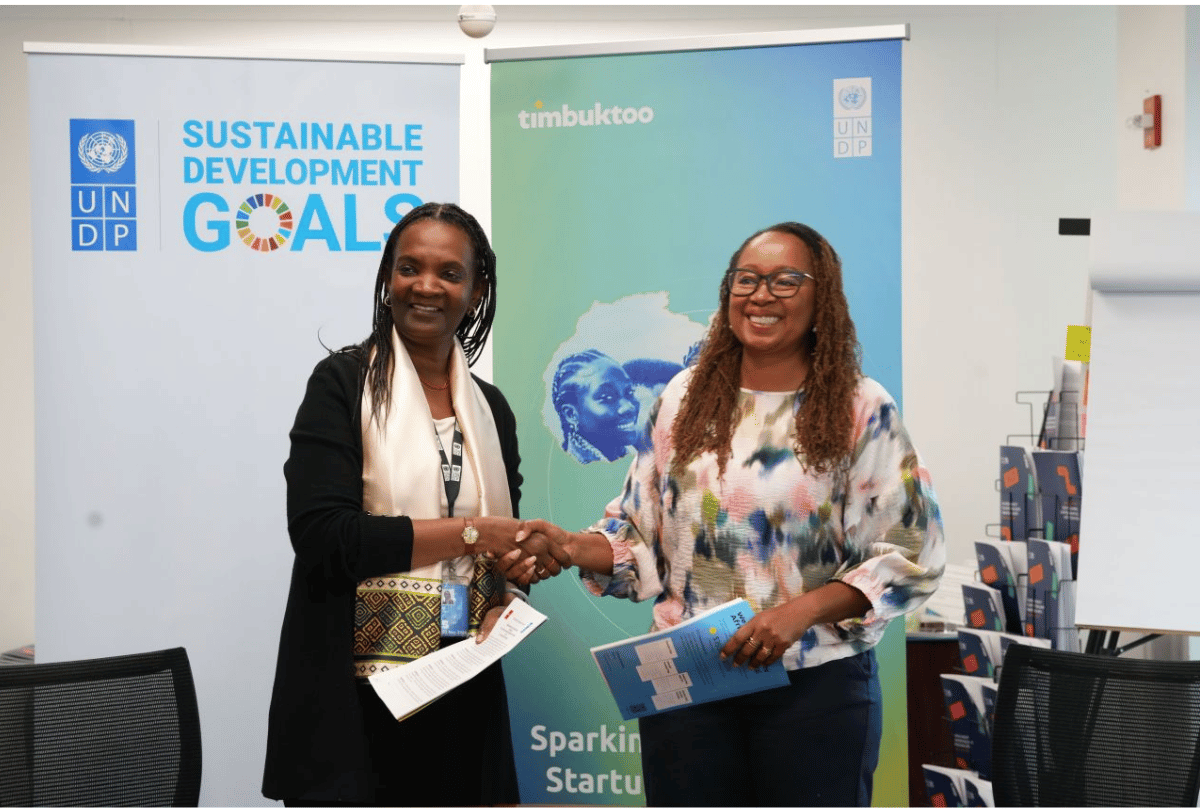
Africa does not need another AI strategy written entirely from outside the continent. That is the argument behind a new partnership between the United Nations Development Programme and the mobile industry group GSMA, which want to help African researchers, startups and institutions turn locally relevant AI ideas into usable services. Their plan puts language, access to computing power and practical deployment at the centre of the work.
The organisations announced the partnership on Friday. They say they will identify promising AI applications, connect local talent to industry partners and help priority projects obtain the computing resources needed to test and scale. The aim is African-led development rather than importing systems trained and evaluated mainly for other markets. They did not announce a funding total, a list of selected startups or a new model ready for public use.
The GSMA represents the mobile industry, which gives the effort a distribution angle as well as a policy one. Across Africa, phones are often the first and most consistent way people reach digital services. A tool for agriculture, health information, learning or small business only matters if it works on the devices and networks people actually use, in the languages they understand and at a price they can afford.
The partnership will support African-language AI through ATLAS Umoja AI, an initiative already launched in July. Many global models perform unevenly outside dominant internet languages because useful training material, evaluation datasets and speech resources are harder to find. Improving performance is more involved than translating an English interface. It requires locally sourced data, consent, testing by speakers and safeguards against errors in high-stakes settings.
UNDP says the work will draw on its timbuktoo initiative as well as UniPods, AI Labs and universities. Those programmes can bring together entrepreneurs, researchers and public-interest organisations that might otherwise build in isolation. GSMA can add relationships with operators and an understanding of connectivity constraints. The announcement does not guarantee that every pilot will become a commercial product; the partners still have to choose use cases, secure resources and show that people benefit.
Computing capacity is another practical barrier. Training and running useful AI systems can be expensive, and limited local infrastructure may force developers to rely on distant cloud regions. That can raise latency, cost and questions about where sensitive data is processed. The partnership speaks of improving access for priority pilots, but it has not said how much capacity will be available or on what terms. Meanwhile, projects such as new AI infrastructure investments on the continent show why supply of compute has become part of the wider debate.
The more useful measure of success will be what happens after a pilot. Can a language tool serve people with patchy connectivity? Can a clinic or farmer trust its answers? Are local teams able to maintain it, audit it and earn from it? If UNDP and GSMA can help African builders answer those questions with real deployments, this partnership will mean more than another declaration about AI potential.
Related Reading
More contextual TechBooky stories selected from tags, categories and article context.
Paul Balo is the founder of TechBooky and a highly skilled wireless communications professional with a strong background in cloud computing, offering extensive experience in designing, implementing, and managing wireless communication systems.
We use cookies to ensure that we give you the best experience on our website. If you continue to use this site we will assume that you are happy with it.