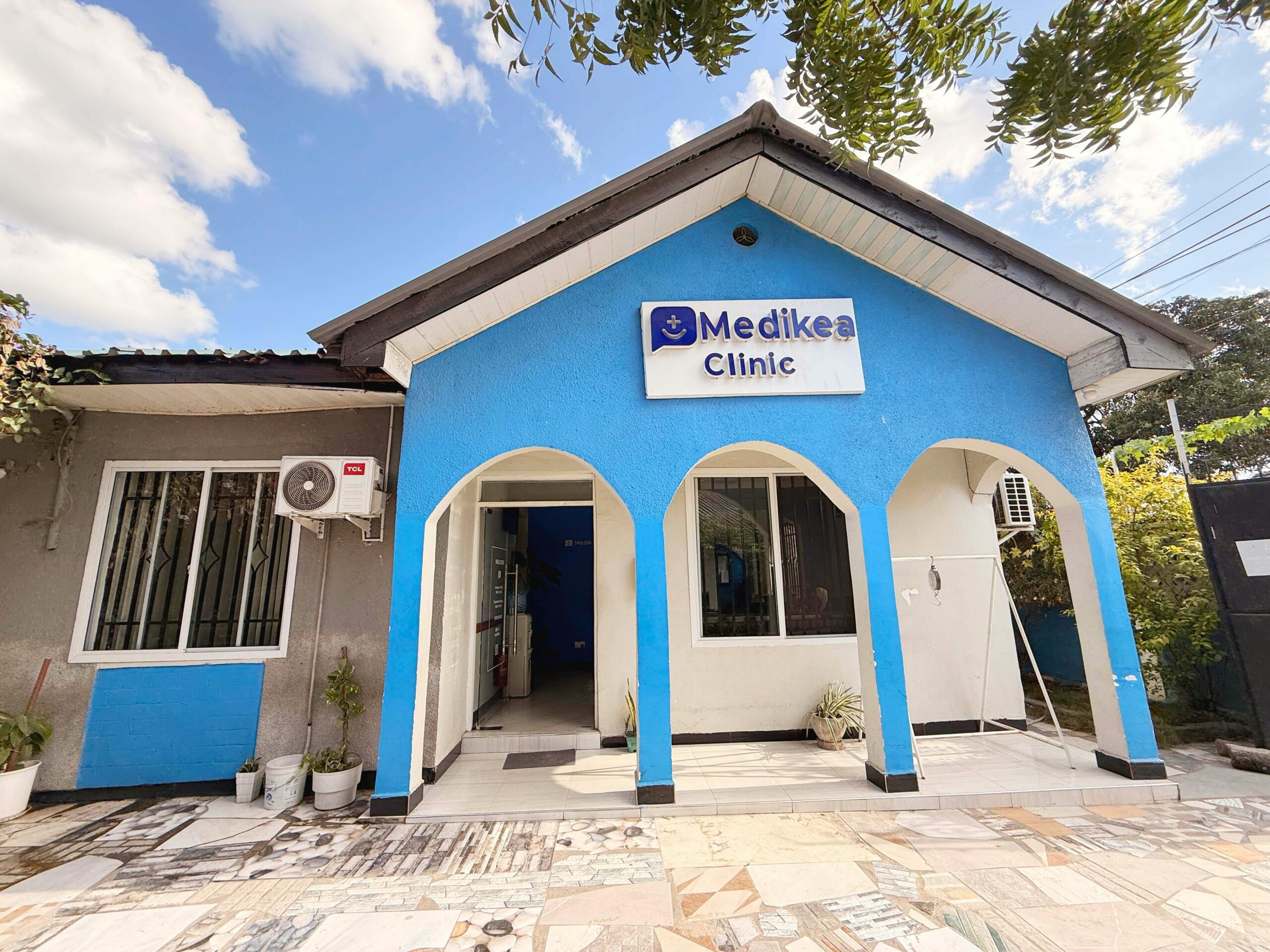
Tanzanian healthtech startup Medikea has raised $1.2 million in pre-seed funding to expand a care model that combines online consultations with its own physical clinics, pharmacies and diagnostic services. The company now operates four clinics and aims to reach 10 by the end of 2027. The financing was assembled through successive closes rather than announced as a single new cheque.
According to Disrupt Africa’s report, which includes comments from Medikea’s leadership, backers include Baobab, Catalyst Fund, develoPPP Ventures, Madica and Impacc. The money is intended to support new facilities and the technology connecting patients to clinicians. Medikea has not disclosed a valuation or a profitability timetable.
Medikea offers round-the-clock telemedicine, but its strategy does not assume a video call can solve every medical problem. Patients may still need an examination, a laboratory test, medicines or follow-up care in person. The startup’s clinics and pharmacies are designed to keep those steps inside a more connected service, with digital tools helping patients find care and clinicians maintain continuity.
That is a more demanding approach than simply matching patients with doctors online. Physical sites require staff, equipment, supplies and operating capital. They also give Medikea a chance to control more of the patient’s experience when a remote consultation leads to treatment. The opportunity is not just to digitise an appointment but to make the next step of care easier to complete.
The company has added clinics in Arusha and Morogoro, taking its network to four. Its goal of 10 clinics by the end of 2027 is an expansion target, not an existing footprint. Likewise, its ambition to serve 100,000 patients should be read as a target rather than a claim that it has already reached that number. The pace of opening and the ability to keep care affordable will determine how far the funding goes.
A test of hybrid healthcare economics
For investors, Medikea’s appeal lies in linking digital access with services that patients can actually use on the ground. The harder test is whether each new clinic can attract enough regular demand to cover the costs of clinicians, diagnostics and medicines while maintaining quality. Digital scheduling and records may reduce friction, but software alone cannot remove the expense of running a healthcare facility.
One of the backers, Madica, has previously featured in TechBooky’s coverage of African pre-seed investing. Medikea’s round is another sign that some investors see opportunity in practical services built for local gaps, even when the model is more operationally complex than a pure software startup.
The immediate milestones are straightforward. Medikea must open the planned clinics, make its online and in-person services work smoothly together and show that more patients can access care without costs rising beyond reach. The $1.2 million gives the startup room to pursue that plan. It does not yet prove that the hybrid model will scale across Tanzania, and that is precisely what the next phase will test.
Related Reading
More contextual TechBooky stories selected from tags, categories and article context.
Paul Femi Balo is the founder and publisher of TechBooky. He covers artificial intelligence, African technology, digital infrastructure, enterprise technology and the global digital economy.
We use cookies to ensure that we give you the best experience on our website. If you continue to use this site we will assume that you are happy with it.