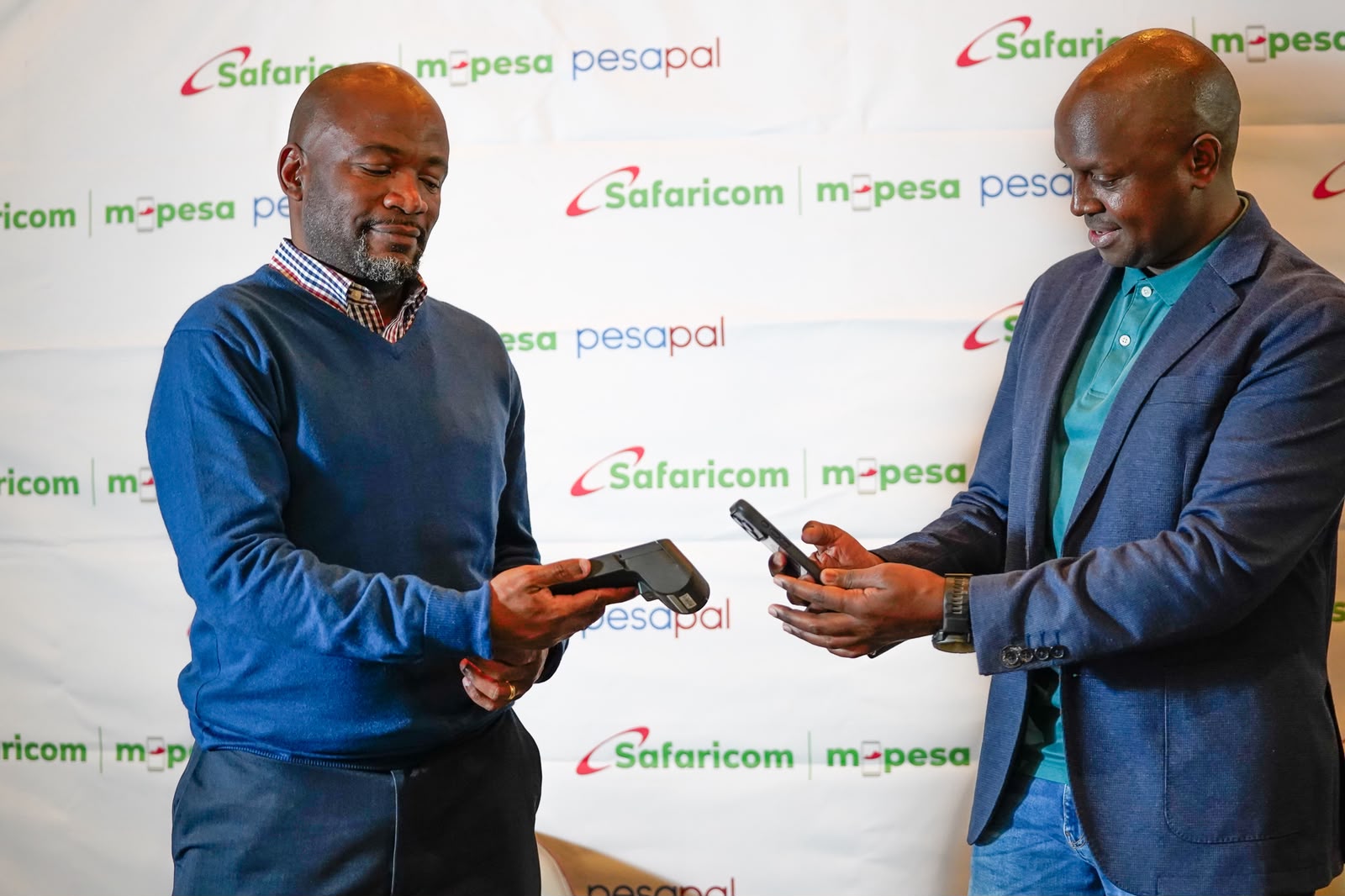
Paying with M-PESA at a shop counter is about to look a little more like using a contactless card. Safaricom and Kenyan payments company Pesapal are introducing tap-to-pay and dynamic QR payments on Pesapal point-of-sale terminals, cutting down the steps customers take to settle a bill.
The companies announced the partnership on October 1. With tap-to-pay, a customer with an NFC-enabled smartphone taps a compatible Pesapal terminal, checks the transaction details and completes the payment. The dynamic QR option displays a code on the terminal that fills in the merchant and amount when scanned, avoiding the need to type those details by hand.
That sounds like a small convenience until it is multiplied across busy tills. Manual entry takes time and can send money to the wrong account if a number is mistyped. A payment flow that presents the amount and merchant for confirmation should make routine purchases faster while still giving the customer a chance to catch an error before paying.
Safaricom is also bringing AI Pay to its My OneApp. According to the announcement, a customer can scan a printed or handwritten receipt and, where the necessary information is present, the app will identify the Till or PayBill details and payment amount. The company says the app has more than seven million downloads. How reliably the feature reads unclear handwriting will matter more than the AI label once people use it in real shops.
Safaricom says Scan-to-Pay is available at more than 60,000 merchant outlets and is aiming for 500,000 within a year. That is a future target for scan-to-pay, not a claim that half a million Pesapal terminals already support NFC payments. The companies have not provided a single nationwide total for live tap-to-pay terminals in the announcement.
Kenya has tried different forms of contactless payment before. Earlier efforts by banks and payment providers showed the appeal of tapping a device at checkout, but the real test is whether merchants have compatible equipment and whether customers find the new flow easier than the M-PESA habits they already trust. Pesapal’s existing merchant network gives this attempt a practical starting point.
For now, the announcement is about changing the checkout experience, not replacing M-PESA’s familiar mobile-money rails. If the rollout works, the biggest difference may be invisible, fewer numbers typed, fewer payment mistakes and a shorter queue.
Related Reading
More contextual TechBooky stories selected from tags, categories and article context.
Paul Balo is the founder of TechBooky and a highly skilled wireless communications professional with a strong background in cloud computing, offering extensive experience in designing, implementing, and managing wireless communication systems.
We use cookies to ensure that we give you the best experience on our website. If you continue to use this site we will assume that you are happy with it.