The leadership drama at Automattic has taken another strange turn, and anyone who cares about WordPress should probably pay attention.
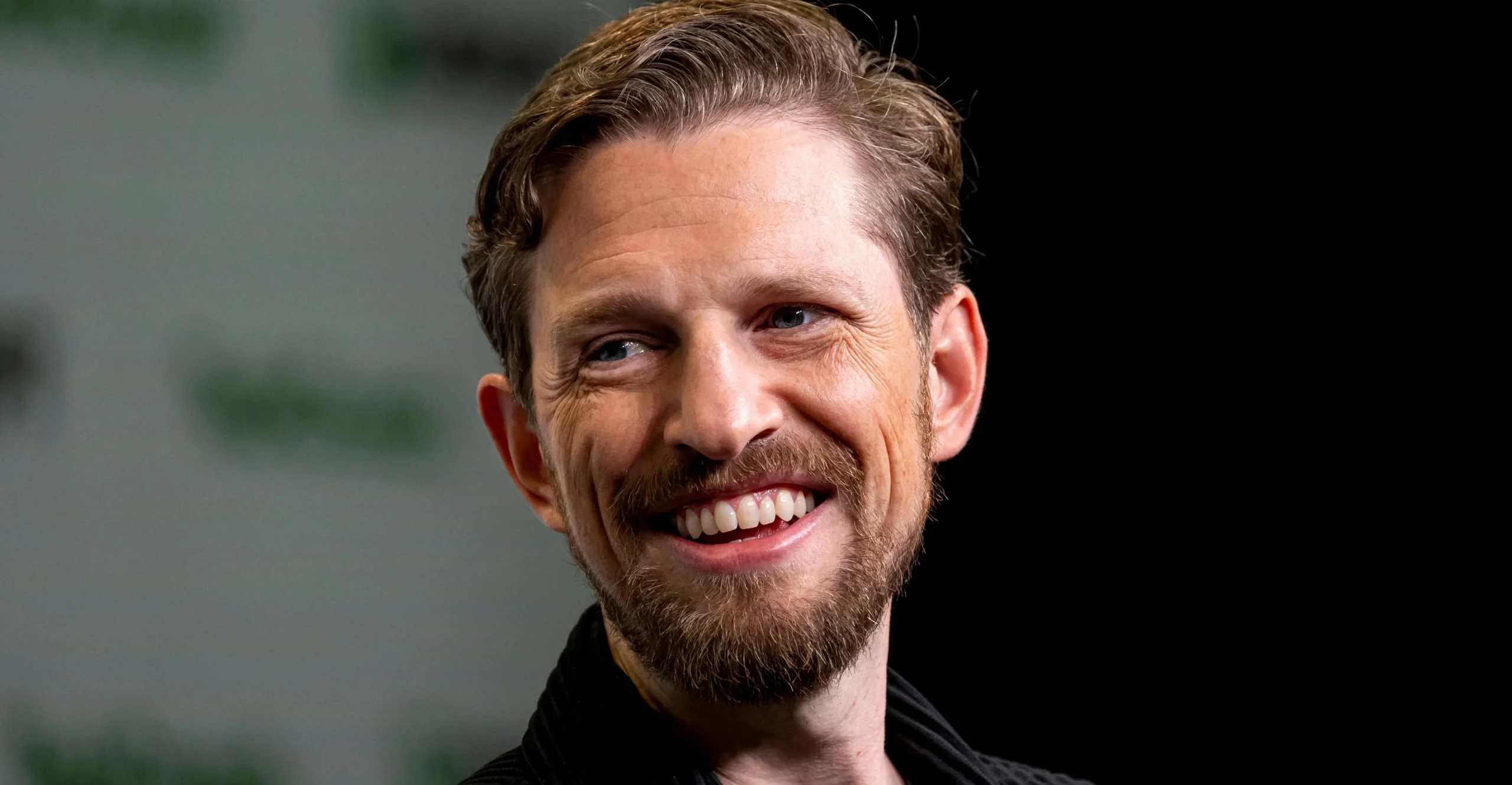
Matt Mullenweg, the WordPress co-founder and Automattic founder, reportedly told staff that he is back in control of Automattic just two days after the company’s board placed him on paid leave. The Verge reports that the claim was made in a Slack message, following earlier reports from 404 Media that the board had voted to put Mullenweg on leave and appoint CFO Mark Davies as interim CEO.
Automattic is not a small blogging company tucked away from the rest of the internet. It owns WordPress.com, WooCommerce, Tumblr, Pocket Casts and Beeper, and sits close to the wider WordPress ecosystem that powers a major part of the web. That is why the back-and-forth matters even for people who do not follow internal Silicon Valley politics.
The latest report says Mullenweg wrote that the board was back in agreement and that he was in control of Automattic again. But there has not yet been a simple, formal company statement that explains exactly what happened, why the board moved against him, whether the interim appointment is over or how the company intends to prevent another public governance mess.
The uncertainty lands on top of years of tension around WordPress, Automattic, WordPress.org and commercial players in the ecosystem. The core issue is that WordPress is both open-source infrastructure and the centre of a large commercial market. That combination works well when trust is high. It becomes messy when users, developers, hosts and enterprise customers begin to wonder where the real decision-making power sits.
For publishers and businesses, the practical question is not whether WordPress will suddenly stop working. It will not. The deeper question is whether Automattic can reassure customers that its leadership and governance are stable enough for a platform that many organisations depend on every day.
TechBooky runs inside this wider web publishing reality too, which is why the story is more than personality drama. When a company so closely tied to the world’s most popular content management system appears to go through a boardroom fight in public, it becomes a reminder that open web infrastructure still depends on human governance, not just code.
Related Reading
More contextual TechBooky stories selected from tags, categories and article context.
Paul Femi Balo is the founder and publisher of TechBooky. He covers artificial intelligence, African technology, digital infrastructure, enterprise technology and the global digital economy.
We use cookies to ensure that we give you the best experience on our website. If you continue to use this site we will assume that you are happy with it.