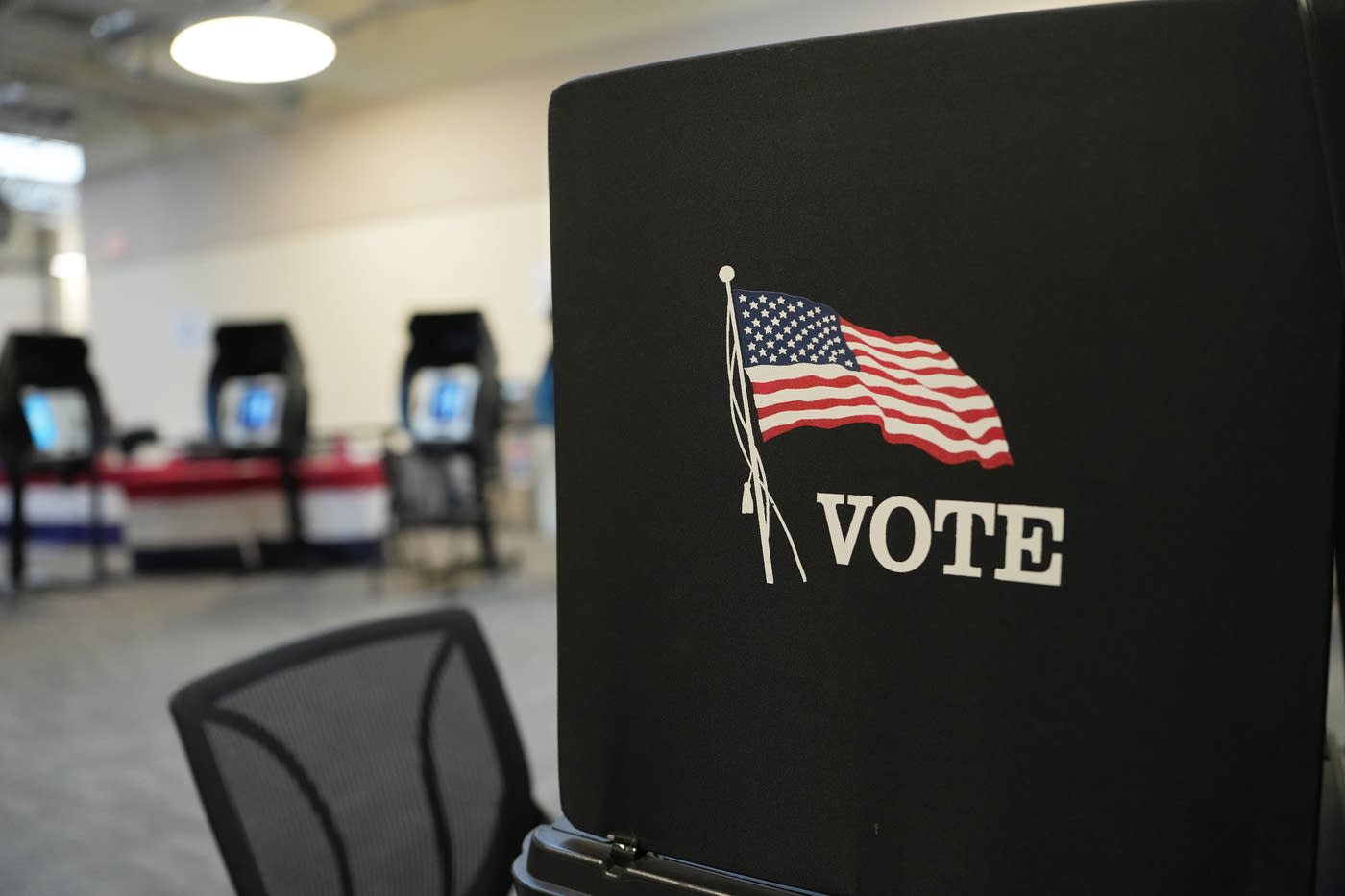
Political campaigns have spent years trying to rank highly in search results. A new contest is emerging over what an AI assistant says when a voter asks which candidate is strongest on housing, taxes or public safety. Documents reviewed by Reuters show how US campaign consultants are pitching ways to make candidates appear in, and potentially influence, those answers.
In its report published on 26 October, Reuters described a presentation prepared for Mike Minogue, the Republican challenger to Massachusetts Governor Maura Healey. The proposal called for policy pages, citations and other material designed to be picked up by ChatGPT, Claude, Gemini and similar systems. Crucially, Reuters reported on a proposed strategy. It did not establish that Minogue’s campaign adopted it or that any chatbot changed its answers as a result.
The presentation described generative engine optimisation, often shortened to GEO. Traditional search-engine optimisation aims to improve where a page appears among links. GEO tries to make information prominent within a generated answer, including the sources an assistant selects and the language it uses to compare options. A campaign can publish legitimate, clearly labelled explanations of its candidate’s policies. The concern arises when coordinated placements, selective claims or content that looks independent are used to make a paid message appear like neutral evidence.
According to Reuters, the pitch proposed hundreds of AI-friendly issue pages, monitoring how chatbots answered political questions, and placing content on sites the systems already cited. It also mentioned YouTube and Reddit. Visigent, the firm behind the presentation, said it worked with six political campaigns, but did not identify them. Its chief executive told Reuters that political work could start at $5,000 a month and reach $50,000 when paid media, placements or outreach were included. Those figures describe a developing consultancy market, not evidence that a particular candidate has bought the entire proposed package.
The distinction matters because the ability to seed information is not the same as controlling a model. Different assistants may retrieve different sources, weigh them differently and answer the same question differently over time. A strategy deck can promise a favourable result; proving one would require repeated testing with transparent methods and clear evidence that the campaign’s content caused the change.
The audience is still a minority, but it is no longer hypothetical. A Pew Research Center survey published on 23 October found that 8% of US adults said they were using chatbots for information about the 2026 elections. Among those users, 76% sought candidates’ positions on issues and 71% checked claims they had encountered elsewhere. The survey measured chatbot use, not whether AI answers altered votes.
This changes the shape of a familiar information problem. On a search page, readers can often see several competing links before choosing one. A chatbot may compress many sources into a single fluent response. Citations can help, but a confident summary can still blur the difference between a campaign’s own claim, an independent report and an official record. As TechBooky has noted in coverage of AI search, the prominence and clarity of source links affect whether readers can check an answer for themselves.
AI companies are responding to election-specific risks. Anthropic says Claude will draw on voting information collected by Democracy Works from state and local election sources for practical questions, such as where to vote. It also says it tests political even-handedness and prohibits deceptive campaigns. These measures address important problems, but a guardrail against fabricated voting instructions does not automatically settle the harder question of how an assistant summarises rival candidates’ arguments.
Candidates have every right to make their case online, and clear policy pages could help voters and AI systems understand where they stand. What needs scrutiny is the route by which a campaign’s material reaches the answer. Paid placements should be recognisable as paid, candidate-owned pages should be identified as such, and assistants should make important sources easy to inspect. Researchers and newsrooms also need to test whether repeated prompts yield balanced, well-sourced answers rather than accepting consultants’ claims of influence at face value.
For voters, the practical lesson is to treat a chatbot as a starting point. Open the cited sources, compare a candidate’s own statement with independent reporting, and use official election offices for registration and polling details. The new campaign battleground is not only who appears on a screen, but whose account of the facts is allowed to sound like the answer.
Related Reading
More contextual TechBooky stories selected from tags, categories and article context.
Paul Femi Balo is the founder and publisher of TechBooky. He covers artificial intelligence, African technology, digital infrastructure, enterprise technology and the global digital economy.
We use cookies to ensure that we give you the best experience on our website. If you continue to use this site we will assume that you are happy with it.