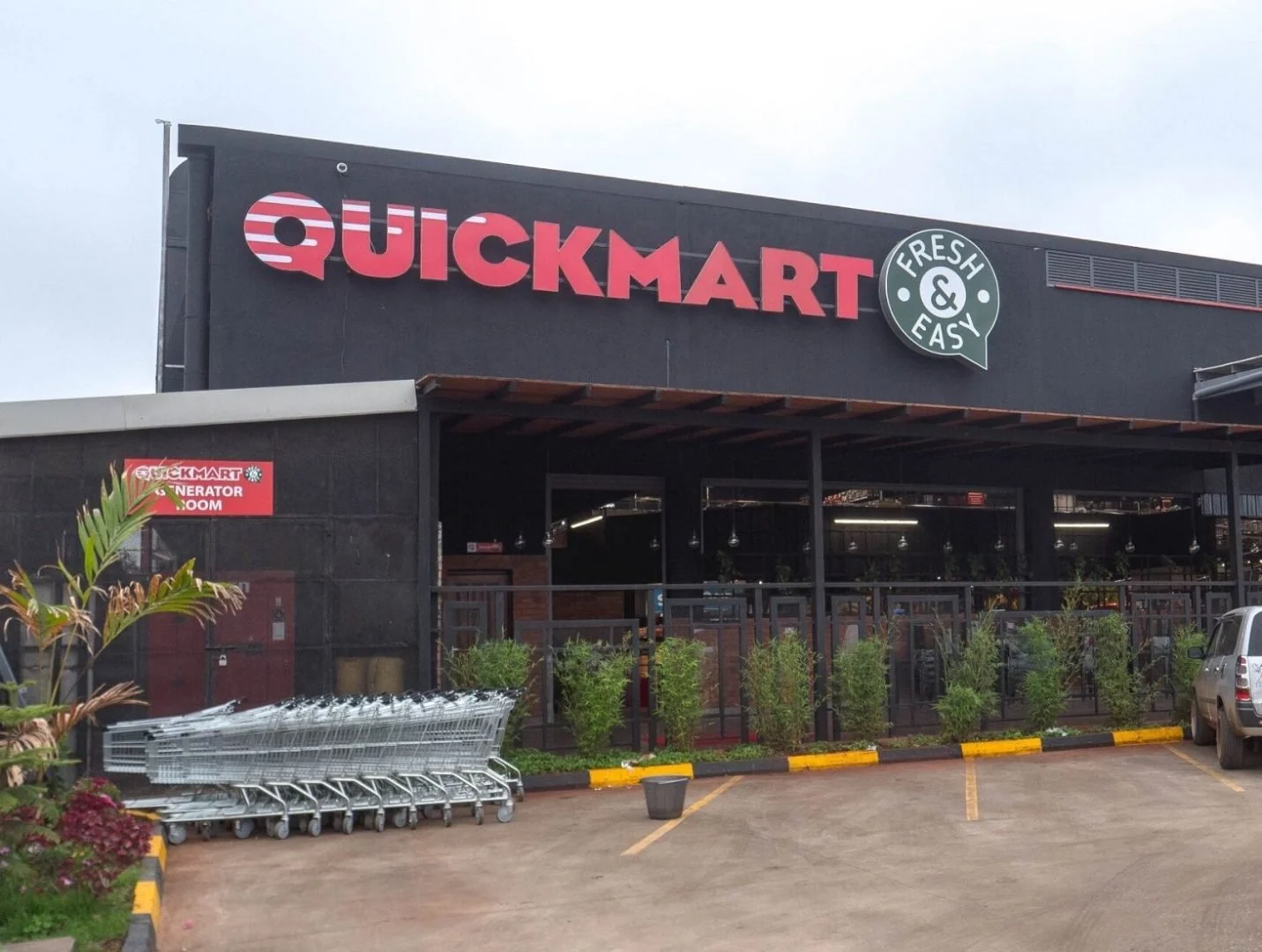
Kenyan supermarket chain Quickmart says investors applied for KES 18.41 billion of shares in its initial public offer, exceeding the KES 15 billion available by 22.7%. The company announced the allocation results on 6 November, ahead of an expected start of trading on the Nairobi Securities Exchange on 12 November.
The offer drew 18,492 applications for about 2.45 billion shares, compared with two billion shares on sale at KES 7.50 each. That demand makes the listing a useful test of appetite for a familiar consumer business on an African public market. But the structure matters as much as the headline figure: Quickmart is not issuing new shares and will not receive the KES 15 billion offer proceeds.
The shares are being sold by existing owner Sokoni Retail Kenya Limited. Quickmart says the sale covers half of its four billion issued shares, while all four billion are to be listed on the exchange’s Main Investment Market Segment. Money raised by the offer therefore goes to the selling shareholder, rather than directly financing new stores, technology or working capital.
This does not make the listing insignificant for Quickmart. A quoted share price and broader investor base could give the retailer new financing options later, while giving Kenyan households and institutions a route to own part of a business they already use. Any future fundraising would, however, require a separate transaction.
According to Quickmart’s allocation announcement, Kenyan and East African retail investors applied for KES 2.39 billion of shares, more than their initial allocation. Kenyan and East African institutions applied for KES 5.25 billion, while foreign investors applied for KES 3.58 billion. Four cornerstone investors submitted applications worth a combined KES 7.19 billion.
The retailer says Kenyan and East African retail and institutional applicants received the full number of shares they requested. Founder shareholders who applied received none because of the oversubscription. These details are more revealing than the subscription percentage alone: they show participation across local, regional and foreign investor groups, but not identical demand or treatment in every category.
Quickmart operates 72 stores across 16 Kenyan counties and reported KES 50.4 billion in revenue for its 2025 financial year, according to its earlier IPO disclosures. It has said it expects to fund organic growth mainly from internally generated cash flows. Investors considering the shares should distinguish that operating plan from the secondary share sale now being completed.
Trading is scheduled to begin on 12 November, subject to the offer conditions and any formal timetable changes. The market’s first days will show how buyers and sellers value Quickmart after the fixed-price offer, but the oversubscription by itself does not predict the eventual trading price.
Related Reading
More contextual TechBooky stories selected from tags, categories and article context.
Paul Femi Balo is the founder and publisher of TechBooky. He covers artificial intelligence, African technology, digital infrastructure, enterprise technology and the global digital economy.
We use cookies to ensure that we give you the best experience on our website. If you continue to use this site we will assume that you are happy with it.