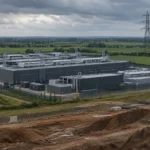
Protesters entered the construction site of a Microsoft data centre in Amsterdam on Friday, 6 November, as campaigners began two days of actions against large data centre developments across Europe. The incident brings a question behind the AI boom into sharper focus. Can technology companies build computing capacity at the pace they want while winning the trust of the communities hosting it?
More than 100 activists gathered at the Amsterdam site, according to Reuters. Some entered the construction area and climbed cranes. The Stop Dirty Data Centres coalition said groups had planned actions in 16 countries on Friday and Saturday. Those plans included events in Dublin, Warsaw and Denmark; they should not be mistaken for confirmation that every proposed action took place.
The site owner, Pure Data Centres, said it was committed to engaging with local stakeholders and asked those who entered the site to leave safely. Microsoft said it respected peaceful expression of concerns but did not condone unlawful actions. The disagreement is not simply between people who favour technology and people who oppose it. It is also about how projects are approved, how their costs are measured and who gets a say before construction begins.
Campaigners argue that large data centres can strain electricity and water supplies, compete with housing and other uses for land, and make climate goals harder to meet. Those are concerns raised by the groups, not measured impacts established for this particular Amsterdam project. Each proposed facility needs scrutiny of its own power connection, cooling system, land use and local agreements.
Technology companies have a different case to make. AI models, cloud services and the digital tools used by businesses and public bodies need substantial computing infrastructure. Europe also wants more of that capacity within its own borders. EU technology chief Henna Virkkunen told Reuters that the region needs data centres to develop AI, while acknowledging that citizens must be able to trust that projects will not drive up bills or damage the environment.
That tension is now a practical obstacle for developers. Securing chips and funding does not guarantee a facility can be built, connected to the grid and accepted locally. A project can look compelling in a company’s investment plan while leaving residents with unanswered questions about power demand, water use and the benefits promised in return.
The Amsterdam protest will not, by itself, settle whether this facility should proceed. It does show that the industry’s expansion plans are being tested outside boardrooms and investor presentations. For future European projects, the decisive documents may be the grid agreements, environmental assessments and public commitments that let communities judge the costs against the promised gains.
Related Reading
More contextual TechBooky stories selected from tags, categories and article context.
Paul Femi Balo is the founder and publisher of TechBooky. He covers artificial intelligence, African technology, digital infrastructure, enterprise technology and the global digital economy.
We use cookies to ensure that we give you the best experience on our website. If you continue to use this site we will assume that you are happy with it.