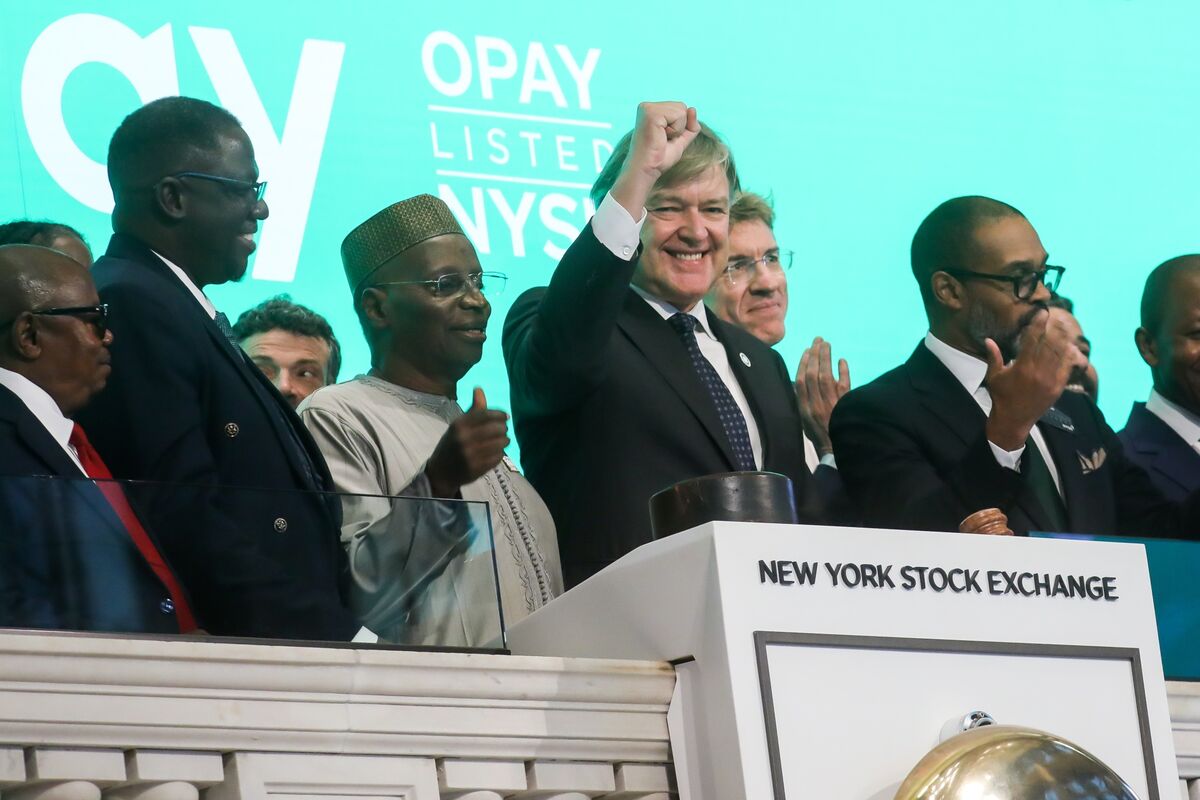
OPay had priced its New York initial public offering and was preparing for trading to begin. Then the sale stopped. The company has offered one specific explanation, a regulatory inquiry in a foreign jurisdiction it calls immaterial to its core operations. It has not named the jurisdiction, regulator or issue under review. That leaves a reasonable question for investors and customers. Why would an inquiry outside the heart of OPay’s business be serious enough to halt a $304 million public offering?
The honest answer is that the public record does not yet establish more than OPay has disclosed. Bloomberg reported the company’s statement on 31 October. OPay says it expects a satisfactory resolution and that the inquiry should not be taken as a judgement on its operations or financial condition. It and the underwriters terminated their 29 October agreement, and the shares did not start trading. Anything more specific about the regulator’s concerns would be speculation.
That does not mean there is nothing to analyse. An IPO is a promise of public disclosure as well as a capital raise. When a potentially material unknown appears between pricing and trading, management and underwriting banks have to consider whether investors have enough information to make an informed decision. A pause can be a way to avoid launching into a market where a new question would dominate the first day of trading.
OPay announced a price of $19 for 16 million American depositary shares, the bottom of its indicated $19 to $21 range. Multiplying the price by the shares on offer gives a proposed gross raise of $304 million. It does not mean OPay received that money. The offering was subject to completion, and the company later said it would not proceed under the announced terms.
The proximity of pricing to the planned market debut made the reversal unusually visible. OPay had already published information intended to introduce the company to public investors. Its US prospectus describes a Cayman Islands holding company with operations across several markets, including Nigeria. That structure does not tell us where the inquiry arose. It does show why investors assessing the company would need to understand any new legal or regulatory exposure across jurisdictions before assigning a reliable value to the shares.
A second possible factor is the underwriters’ own risk assessment. Banks sponsoring an offering face reputational and legal scrutiny if the first public disclosures leave a significant question unanswered. The agreement’s termination confirms both sides chose not to complete this transaction. It does not reveal which party first proposed the halt, whether the inquiry was the only issue considered, or what threshold would allow a fresh launch.
The decision is not evidence that OPay failed a Nigerian regulatory test, that customer deposits are at risk, or that its payment systems have stopped working. The company says services continue normally. Nor does pricing at the low end of the range prove weak demand caused the cancellation. The disclosed trigger was the inquiry. Market appetite may matter if OPay returns, but no public evidence ties investor demand to the decision to stop this particular sale.
There is also a difference between postponement and permanent abandonment. The announced offer and underwriting agreement ended. OPay has not given a new US listing date or confirmed what will happen to its previously discussed Nigerian listing. TechBooky reported the cancellation when it became clear that the shares had not traded. The next story will depend on disclosure, not guesswork.
For a fintech built substantially on Nigerian usage, a later local listing would have its own importance. TechBooky has argued that ordinary Nigerians should be able to share in the value created by the platforms they use, although any such offer would need proper approvals and a prospectus. The New York interruption neither confirms nor rules out that path.
The clearest test now is whether OPay identifies the regulator, explains the scope and resolution of the inquiry, and files updated offering documents if it wants to try again. Until then, the most defensible analysis is simple. A disclosed regulatory question emerged at the worst possible point in the IPO timetable, and the company and its banks decided the uncertainty was too great to launch trading as planned. The reason is known in outline; its underlying facts are not.
Related Reading
More contextual TechBooky stories selected from tags, categories and article context.
Paul Femi Balo is the founder and publisher of TechBooky. He covers artificial intelligence, African technology, digital infrastructure, enterprise technology and the global digital economy.
We use cookies to ensure that we give you the best experience on our website. If you continue to use this site we will assume that you are happy with it.