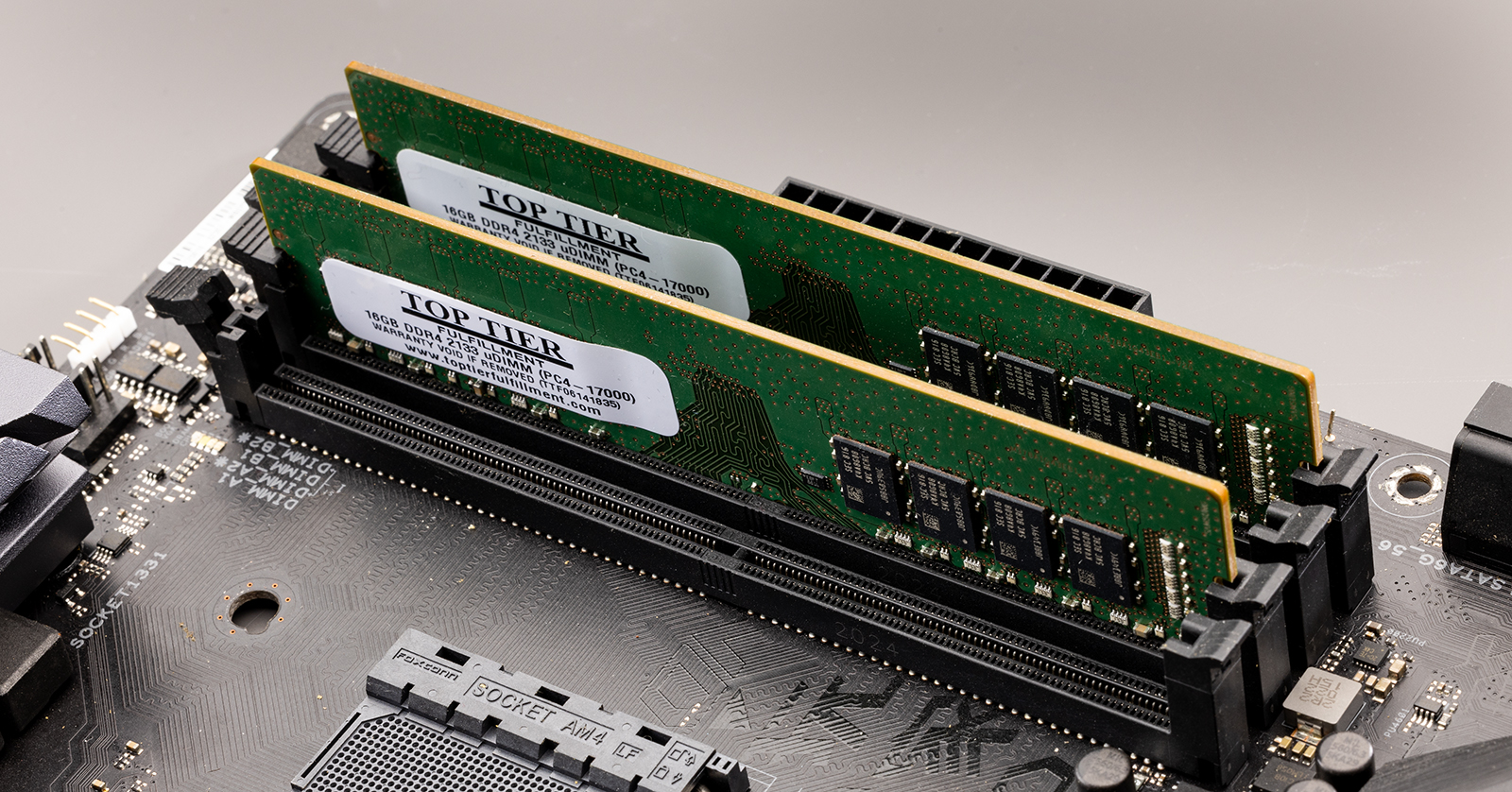
The AI boom is beginning to reach people in a place they will immediately understand: the price of phones, laptops and consoles. A new Financial Times report says the shortage of DRAM memory chips has become so severe that consumer electronics makers are raising prices, reducing specifications or delaying some products as AI data centres swallow more of the global chip supply.
The crisis has been nicknamed RAMageddon, a dramatic name for a very practical problem. Memory chips are used in almost every modern device, from smartphones and game consoles to laptops and servers. But the most profitable demand is now coming from AI infrastructure, where high-bandwidth memory and large server deployments are becoming essential to training and running advanced models.
The result is a quiet reversal of what consumers have enjoyed for decades. Phones got faster, laptops got cheaper for the same performance, consoles held their prices for longer and budget devices slowly improved. Now the AI supercycle is disrupting that pattern because chipmakers have stronger incentives to serve data-centre customers than low-margin consumer electronics brands.
The Guardian had warned earlier this year that the memory shortage could hit cheap phones, laptops, MacBooks and game consoles, and the FT now reports that the pressure has intensified. If DRAM prices have multiplied and manufacturers are already passing costs to buyers, then AI is no longer just an enterprise infrastructure story. It is becoming a household budget story.
That is the same wider pattern behind Broadcom’s AI chip surge and Google’s search for new data-centre power . The world is building AI at a speed that strains the physical supply chain underneath it. Chips, electricity, cooling, land and water are now all part of the AI conversation.
For device makers, the options are not pleasant. They can increase prices and risk slowing upgrades. They can keep prices steady and reduce memory or storage. They can focus on premium devices where buyers tolerate increases better. Or they can delay lower-end models until supply improves. None of those options helps consumers who simply want an affordable phone or laptop that will last.
This also raises an inequality problem. Wealthier buyers may absorb higher prices. Companies may pay more for work devices. But students, small businesses and low-income households will feel the hit first. In African markets, where device affordability already shapes digital inclusion, higher memory prices could slow adoption just as AI and cloud services are becoming more important.
There is a small counterpoint. Nvidia’s PAIR idea, which turns capable home computers into local AI compute, shows that not all AI work must run in giant data centres. But local AI still depends on strong hardware. If memory and storage prices rise, even personal AI becomes less accessible for many users.
RAMageddon is therefore more than a supply-chain headline. It is one of the first clear signs that the AI race has real consumer consequences. The same infrastructure making chatbots smarter may also make everyday gadgets more expensive, and that trade-off deserves more attention than the industry is giving it.
Related Reading
More contextual TechBooky stories selected from tags, categories and article context.
Paul Balo is the founder of TechBooky and a highly skilled wireless communications professional with a strong background in cloud computing, offering extensive experience in designing, implementing, and managing wireless communication systems.
We use cookies to ensure that we give you the best experience on our website. If you continue to use this site we will assume that you are happy with it.