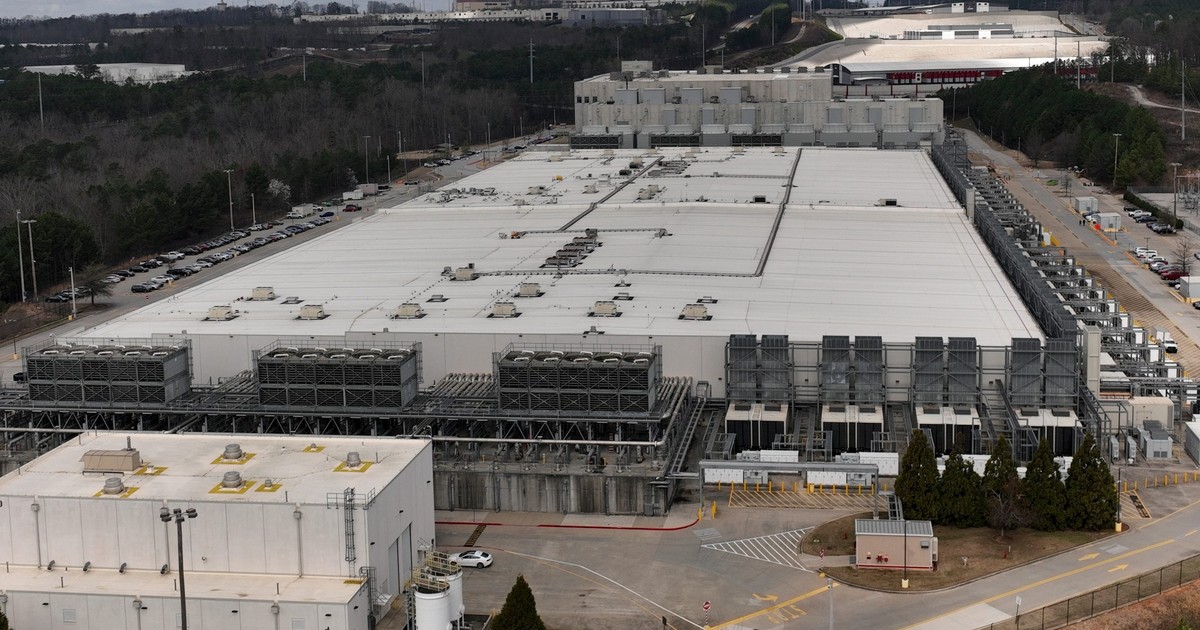
South Africa wants to be Africa’s main digital infrastructure hub, but the country is now being forced to ask a harder question: who pays the water, power and land cost of the AI boom? Civil rights groups are calling for a pause on new data centres until resource use and community impact are properly investigated, according to AP .
The South African Human Rights Commission says it has received more than 250 submissions since asking for public input earlier this year. The concern is not simply that data centres are being built. It is that communities do not always have clear information about how much electricity and water these facilities will need, what land will be used, and how the projects may affect surrounding areas.
That concern lands in a country with recent memories of water scarcity and rolling blackouts. Cape Town came close to a so-called Day Zero water crisis in 2018, and South Africa spent years dealing with loadshedding. Even if the power situation has improved, communities are understandably sensitive when a new wave of facilities arrives with large electricity demands.
One project attracting attention is an Equinix hyperscale facility planned for Cape Town, with AP reporting concern over an estimated 160 megawatts of electricity demand. President Cyril Ramaphosa has said South Africa already hosts about 70 percent of Africa’s data centre capacity, which explains why global players such as Amazon, Microsoft and Equinix see the country as a natural base.
The opportunity is real. Africa needs more cloud capacity, local hosting and AI infrastructure. If the continent wants to do more than consume imported AI products, it needs physical systems close to African users, businesses and governments. That is the same point behind recent discussions around Africa’s digital infrastructure partnerships and AI sovereignty .
But infrastructure is never neutral. A data centre can bring investment, jobs, connectivity and lower latency, but it can also strain grids, use scarce water, raise local tariffs or lock communities out of decisions. The AI economy is learning this everywhere. The more powerful models become, the more physical their demands become.
That is why the South African backlash connects with a global pattern. Google is already looking at new energy sources for AI data centres , while AI chip demand keeps pushing the wider infrastructure buildout. Chips and models get the headlines, but the real economy underneath includes electricity, cooling, fibre, permits and public trust.
The answer should not be to reject data centres entirely. Africa needs this infrastructure. The answer is transparency before construction, not apologies after. Operators should disclose water and power commitments, governments should publish clear rules, and communities should have a real voice before projects are approved.
South Africa’s data centre debate is therefore not anti-technology. It is a warning about how technology should be built. If AI infrastructure is going to sit inside African communities, those communities deserve to know what it will take from them, not only what investors say it will bring.
Related Reading
More contextual TechBooky stories selected from tags, categories and article context.
Paul Femi Balo is the founder and publisher of TechBooky. He covers artificial intelligence, African technology, digital infrastructure, enterprise technology and the global digital economy.
We use cookies to ensure that we give you the best experience on our website. If you continue to use this site we will assume that you are happy with it.