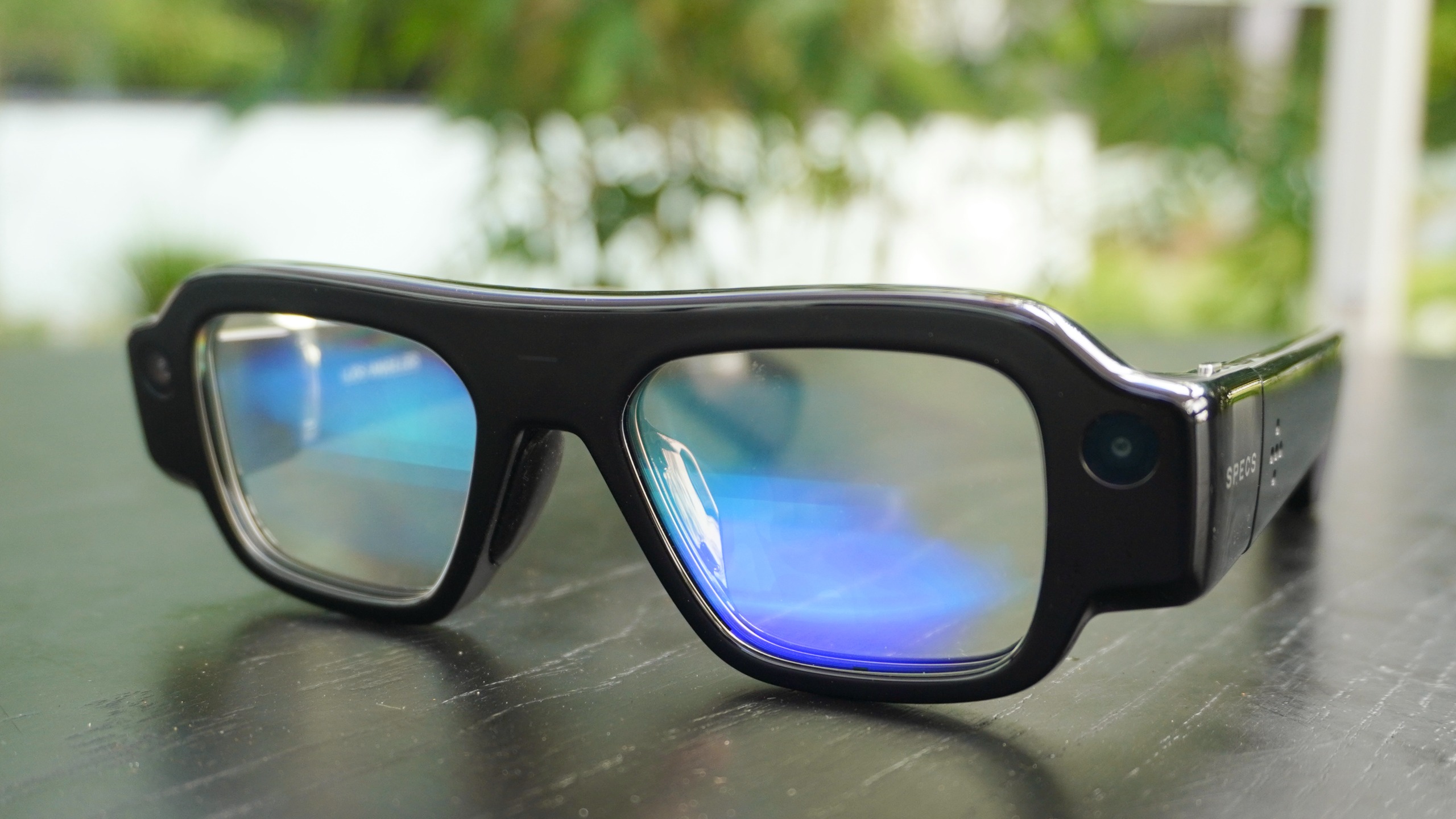
Snap is giving its $2,200 Specs glasses a more ambitious artificial intelligence layer, and the update makes the company’s long-term plan easier to understand. These are not simply camera glasses with a chatbot attached. Snap wants them to recognise what is happening around the wearer, place useful information inside the field of view and respond without requiring a phone to be pulled from a pocket.
The centrepiece is SPECS Intelligence, which Snap describes as an anticipatory AI service. Rather than waiting for a carefully worded command, the software is designed to use context from the glasses and connected devices to surface relevant help. That could mean translating a conversation, placing directions in view or recognising when an app can assist with a task.
Snapchat has also been redesigned for the wearable. A wearer can take a Snap with a finger gesture or start a hands-free call that allows the person at the other end to see the same scene. New experiences cover navigation, fitness, education and shopping, giving developers more reasons to treat Specs as a computing platform instead of a single-purpose accessory.
The idea is compelling because glasses can capture context that a phone sitting in a pocket cannot. Cameras, microphones and spatial sensors can understand where someone is looking and what is happening nearby. If AI can interpret that information quickly and discreetly, smart glasses could become a genuinely useful interface rather than another screen demanding attention.
But Snap is still asking early buyers to pay more than the price of many premium laptops and smartphones. That puts Specs in a very different category from Meta’s Ray-Ban glasses, which offer cameras, audio and an AI assistant in a familiar frame. Snap is attempting full augmented reality with displays and hand tracking, but that ambition brings heavier demands on battery life, comfort and cost.
Privacy will matter just as much as technical performance. Glasses that can continuously see, hear and anticipate raise obvious questions about recording, consent and the processing of nearby conversations. Visible signals, understandable controls and firm limits on data use will be essential if this kind of device is to move beyond enthusiasts and controlled demonstrations.
For now, Snap may judge progress by developer interest rather than sales. A strong collection of applications could make the hardware more valuable and create a reason for cheaper future models. Without that software pull, however, Specs risk remaining an impressive experiment that most people only experience in a showroom.
Snap says more than 350 million people use augmented reality on Snapchat each day. Turning that familiar software habit into demand for hardware is the difficult next step. The AI upgrade gives Specs a clearer purpose, but the company still has to prove that the experience is useful enough to justify wearing it and, especially, paying $2,200 for it.
Related Reading
More contextual TechBooky stories selected from tags, categories and article context.
Paul Balo is the founder of TechBooky and a highly skilled wireless communications professional with a strong background in cloud computing, offering extensive experience in designing, implementing, and managing wireless communication systems.
We use cookies to ensure that we give you the best experience on our website. If you continue to use this site we will assume that you are happy with it.