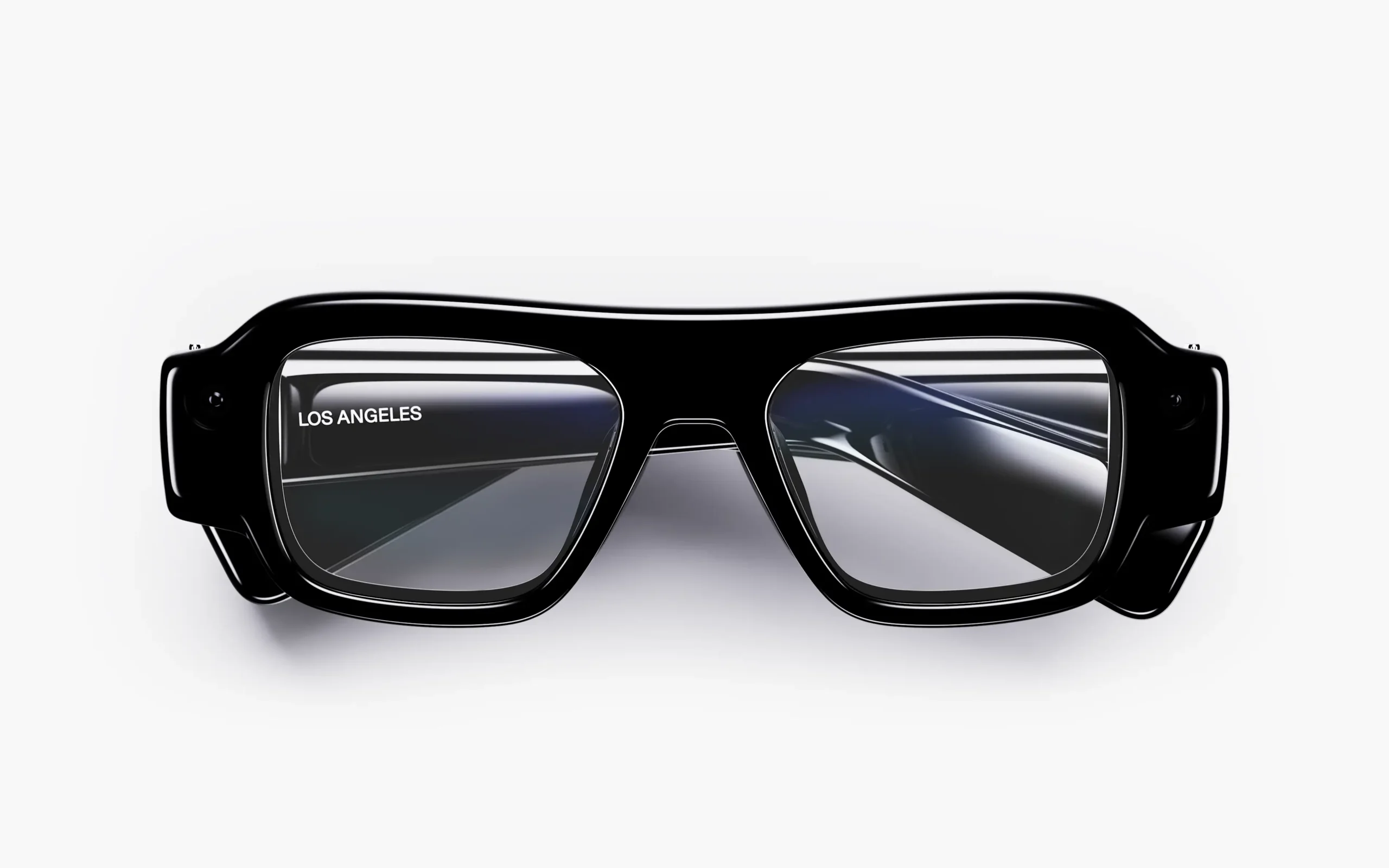
Snap is asking a difficult question with its new Specs; can people be persuaded to pay $2,195 for augmented reality glasses from the company behind Snapchat?
The product itself is real. Snap introduced Specs in June and says the glasses are available for preorder at $2,195, with a $200 refundable deposit and shipping expected this fall in the United States, United Kingdom and France.
Snap is also planning a bigger Specs launch event on September 16, where CEO Evan Spiegel is expected to show how the glasses bring AI assistance, work tools, entertainment and shared experiences into the physical world. That framing tells us Snap does not want Specs to be remembered as another camera wearable. It wants them to be a computing platform.
That ambition is bold, but the market may be unforgiving. Smart glasses are finally becoming interesting again because Meta has found momentum with Ray-Ban smart glasses, Google is preparing its own AI glasses push and Apple has kept spatial computing in the conversation through Vision Pro. Snap is entering that fight with a much more expensive and visually heavier device.
The official Spectacles product site describes Snap OS 2.0, see-through display experiences and tools for developers. In other words, Specs are not simply glasses with a camera and a voice assistant. They are meant to run augmented reality apps in front of the user’s eyes.
That is also the problem. True AR glasses are hard to make light, beautiful, powerful and affordable at the same time. Battery life, heat, displays, cameras, processors, hand tracking and comfort all fight each other. The result is usually a device that impresses in demos but struggles as something people wear all day.
Snap has tried before. Spectacles began as a social camera product, then became a developer AR device, and now the company is trying to reach consumers again. Earlier AR hardware efforts, including Qualcomm reference designs for wireless AR glasses, showed how long the industry has been working toward this moment.
The business risk is that Snap is still heavily dependent on advertising from Snapchat. AR hardware is expensive, slow and uncertain, while investors usually prefer clear returns. If Specs sell poorly, the product could deepen concerns that Snap is chasing a future market before it has the financial strength to absorb the losses.
But the strategic upside is real. If smart glasses become the next major computing interface, Snap does not want to be only a social app inside someone else’s hardware. It wants to own the camera, display, operating system, lenses, developers and social layer.
That is why Specs matter even if the first version is not mass-market. The product is a bet that AR glasses will eventually replace some of what phones do today. At $2,195, Snap is not making an easy consumer pitch. It is putting its AR dream on trial and asking the market to believe the future is worth the uncomfortable first step.
Related Reading
More contextual TechBooky stories selected from tags, categories and article context.
Paul Balo is the founder of TechBooky and a highly skilled wireless communications professional with a strong background in cloud computing, offering extensive experience in designing, implementing, and managing wireless communication systems.
We use cookies to ensure that we give you the best experience on our website. If you continue to use this site we will assume that you are happy with it.