Google’s latest AI infrastructure move says something important about where the compute race is going. The winners will not only be the companies with the best models or the biggest chips. They will also be the companies that can secure power, land, cooling and political trust at scale.
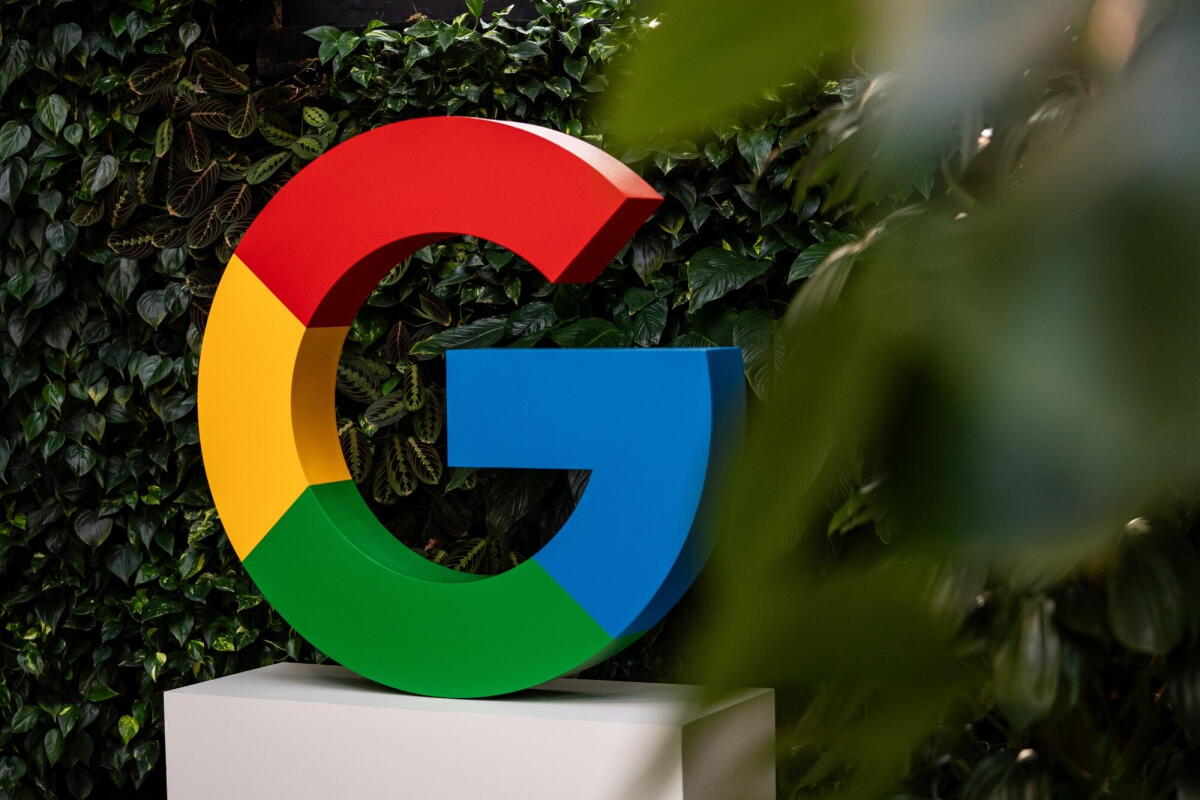
Google is investing more than $15 billion in AI infrastructure in Finland, according to reports, with spending aimed at data centres, digital infrastructure, energy projects and grid support. The investment is expected to run across 2027 and 2028 and deepen Google’s existing presence around Hamina.
The energy side may be the real story. Google has also signed a long-term power deal connected to Fortum’s Loviisa nuclear plant, with reports saying the agreement will cover a 22-year period from 2030 to 2049 and give Google access to a major share of the plant’s output. That is not a normal cloud announcement. It is AI infrastructure behaving like heavy industry.
Finland makes sense for this kind of expansion. It has a colder climate that can help with data-centre cooling, strong power infrastructure, a stable regulatory environment and access to European customers. In an AI world where every large model needs more compute, geography becomes a product feature.
This is why data centres are now being discussed beside nuclear plants, wind farms, battery systems and transmission lines. AI workloads are not lightweight internet services. Training and serving large models requires enormous electricity demand, and that demand is forcing tech companies to make energy deals years before some capacity is needed.
Google is not alone. Microsoft, Amazon, Meta and OpenAI-linked infrastructure partners are all trying to secure power and compute capacity. Nvidia’s recent earnings already showed how much money is flowing into AI infrastructure, a trend we covered when Nvidia reported another huge AI-driven quarter.
There is a European angle too. Europe wants AI investment but is also more sensitive to data sovereignty, energy security and environmental pressure. Building in Finland gives Google a credible answer to some of those concerns, especially if the electricity story is tied to cleaner and more predictable supply.
The risk is that AI data centres could start competing with citizens and industry for power. Even when companies fund new generation or grid upgrades, the politics can become difficult if electricity prices rise or communities feel the benefits are uneven. That is already becoming part of the global data-centre debate.
For Africa, the lesson is direct. AI infrastructure will follow power. Countries that want local AI ecosystems cannot focus only on startups and policy speeches. They need reliable electricity, fibre routes, cooling strategy, land planning, security and capital that can support long payback periods.
Google’s Finland bet is therefore more than a European expansion story. It is a signal that AI leadership is moving into the physical world. Models may live in the cloud, but the cloud now depends on concrete, cables, water, weather and watts.
Related Reading
More contextual TechBooky stories selected from tags, categories and article context.
Paul Femi Balo is the founder and publisher of TechBooky. He covers artificial intelligence, African technology, digital infrastructure, enterprise technology and the global digital economy.
We use cookies to ensure that we give you the best experience on our website. If you continue to use this site we will assume that you are happy with it.