The AI race is no longer just about chips, models and talent. It is now very much about electricity. The latest proof is a new loan of up to $1.9 billion tied to restarting NextEra Energy’s Duane Arnold nuclear plant in Iowa, a move that pushes the conversation around AI data centres deeper into power infrastructure.
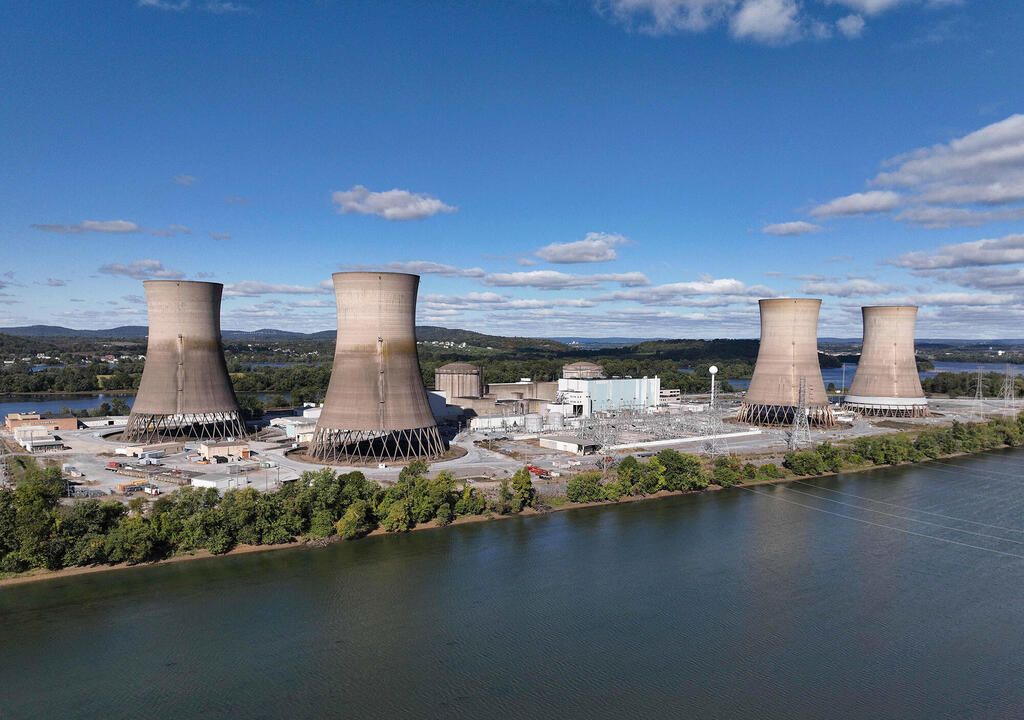
NextEra Energy says the US Department of Energy has closed on the loan to support the restart of the 615-megawatt Duane Arnold Energy Centre. The plant stopped operating in 2020 and is now expected to return no later than the first quarter of 2029, subject to regulatory approvals. That timeline matters because AI demand is rising now, but new power supply does not arrive overnight.
Google is part of the wider story because it previously entered a power-purchase arrangement connected to the Duane Arnold restart. The logic is easy to understand. AI data centres need reliable, round-the-clock electricity, and intermittent renewables alone cannot always carry the full load. That is why nuclear power, once treated as politically difficult in many markets, is becoming attractive again to cloud companies.
This is not only about being green. It is about being available. A frontier AI cluster can consume enormous amounts of electricity, and the company that cannot secure enough power cannot fully use the chips it has paid for. In that sense, energy is becoming a competitive advantage in AI infrastructure.
The Iowa project also shows why AI infrastructure finance is getting more complicated. It is one thing for a company to lease servers. It is another thing to help revive a nuclear plant, navigate licensing, satisfy regulators and lock in long-term power. The capital stack behind AI is spreading into utilities, debt markets, transmission systems and local politics.
That is why this story connects naturally with the broader data-centre backlash we have been tracking. Our recent article on data-centre politics looked at how communities are becoming more sensitive to water, power and land use. Nuclear power may solve some carbon and reliability questions, but it brings its own safety, cost and public-trust questions.
For Africa, the lesson is not that every country should copy the US nuclear route. The lesson is that AI policy without energy policy is incomplete. Countries that want local cloud regions, sovereign AI systems and serious data-centre investment will need credible power plans. Otherwise, they will consume AI from elsewhere while the infrastructure jobs and strategic control sit abroad.
The world may talk about AI as software, but the winners are increasingly behaving like energy companies, chip buyers and infrastructure financiers at the same time. Google’s nuclear-linked power strategy shows that the AI boom is becoming physical, expensive and deeply political.
Related Reading
More contextual TechBooky stories selected from tags, categories and article context.
Paul Femi Balo is the founder and publisher of TechBooky. He covers artificial intelligence, African technology, digital infrastructure, enterprise technology and the global digital economy.
We use cookies to ensure that we give you the best experience on our website. If you continue to use this site we will assume that you are happy with it.