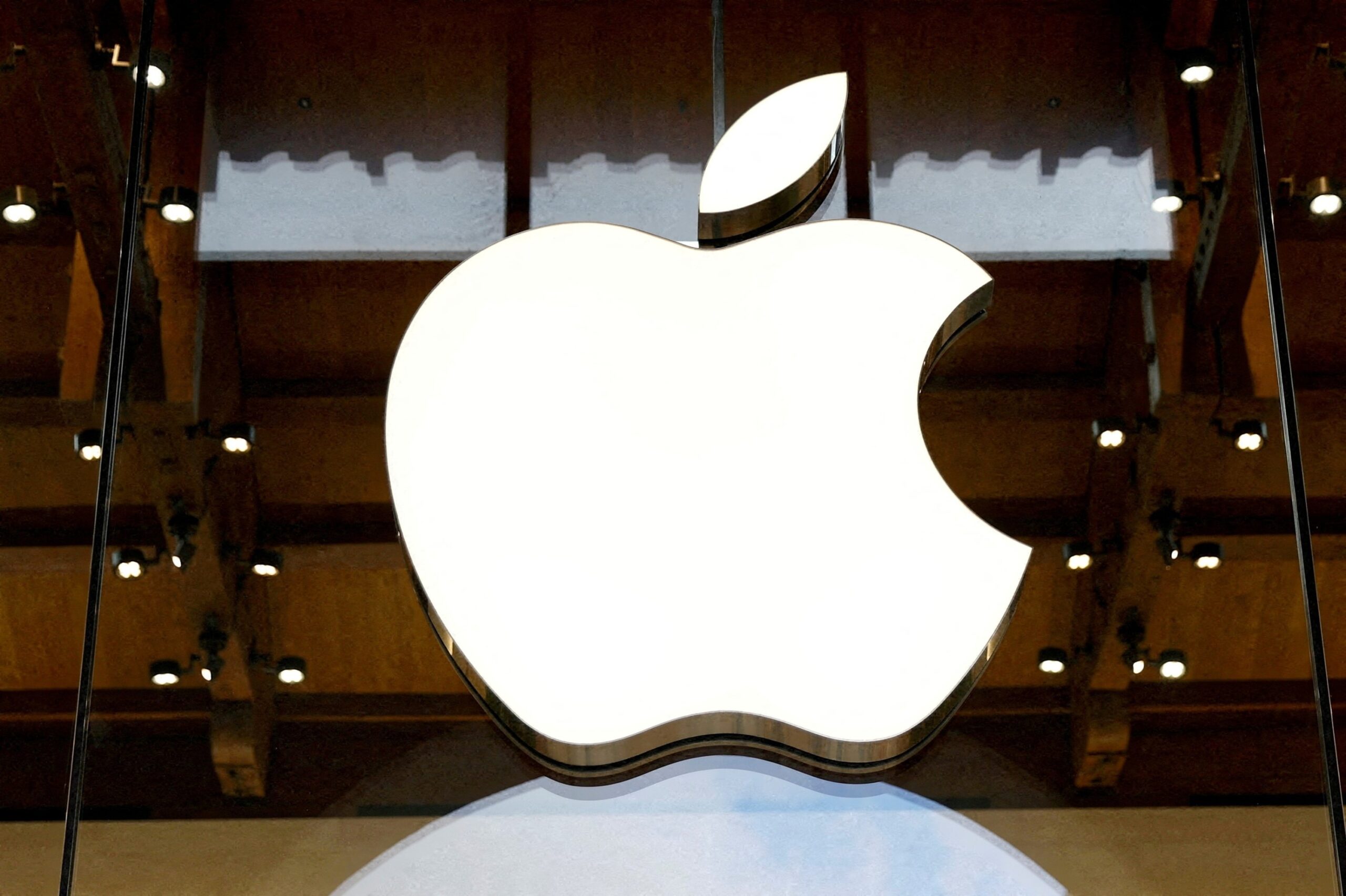
Apple is back at the top of the market-value table. In a ranking checked on 2 November, CompaniesMarketCap placed the iPhone maker first at about $5.03 trillion, ahead of Nvidia at about $4.94 trillion. The lead is roughly $88 billion, a large sum in its own right but a narrow gap between companies valued near $5 trillion. It could change with the next move in either share price.
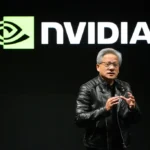
The reversal is especially striking because Nvidia has been the emblem of the AI infrastructure boom. Investors have poured money into its shares on the expectation that data centres will keep buying its chips. Apple represents a different bet: that a vast installed base of devices, recurring services revenue and new hardware can keep generating cash even as the industry argues over the eventual return on AI spending.
The shift does not mean Apple suddenly earned more than Nvidia in a day. Market capitalisation is the share price multiplied by the number of shares outstanding. It is what investors collectively value a listed company at, not its revenue, cash balance or profit.
The most recent decisive move came during the technology sell-off at the end of October. Investing.com reported that Apple finished 30 October at about $5.03 trillion despite a decline in its own shares, while a sharper fall in Nvidia left the chipmaker below it. In other words, Apple did not need an explosive rally to take first place. Nvidia fell faster.
The companies have crossed paths before. TechBooky reported their earlier change of places in July, when the lead proved temporary. Apple also briefly moved ahead around the iPhone Duo’s October launch. That history is a reason to treat today’s ranking as a snapshot rather than a permanent transfer of the crown.
Nvidia’s valuation still reflects enormous expectations for AI computing. The harder question for investors is how quickly its customers can turn their spending on chips and data centres into durable returns. A pullback in Nvidia shares can therefore express doubt about the pace or cost of that build-out without implying that demand for AI technology has disappeared.
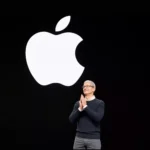
Apple has its own unanswered questions. Its latest iPhone and Mac launches give investors a fresh sales test, while its AI strategy must prove useful enough to strengthen the appeal of its devices and services. Long delivery waits for the iPhone Duo suggest that early orders outran available launch stock, but they do not reveal total sales or prove that a premium foldable will become a mainstream business.
Apple’s upcoming financial results will offer a more concrete view of demand and its outlook. They had not been released when this article was prepared. The market-cap ranking is therefore a statement about investor pricing, not a verdict on the quarter still to be reported.
For now, Apple is the world’s most valuable publicly listed company on the ranking checked on 2 November. The more interesting question is whether investors will keep rewarding its established consumer business over Nvidia’s AI infrastructure story once both companies provide their next set of numbers. With less than two per cent separating their valuations, the answer may change more than once.
Related Reading
More contextual TechBooky stories selected from tags, categories and article context.
Paul Femi Balo is the founder and publisher of TechBooky. He covers artificial intelligence, African technology, digital infrastructure, enterprise technology and the global digital economy.
We use cookies to ensure that we give you the best experience on our website. If you continue to use this site we will assume that you are happy with it.